My Friend Colin Took me on a Great Hike and my Life was Never the Same

I started hiking with the Barbados National Trust around 2001/2002. As the Environmental & Conservation Manager for Almond Resorts Inc., I had been organizing hikes for staff and guests as part of my community activities and learned about the National Trust’s annual hiking calendar. These Sunday hikes were led by Colin Hudson and he quickly became one of the reasons why I hiked as often as I did. From that first hike until his death in 2004, I hiked regularly. After 2004 I was home less often and had fewer opportunities to hike there, plus a National Trust hike without Colin was not something I could fathom doing in the early years. 
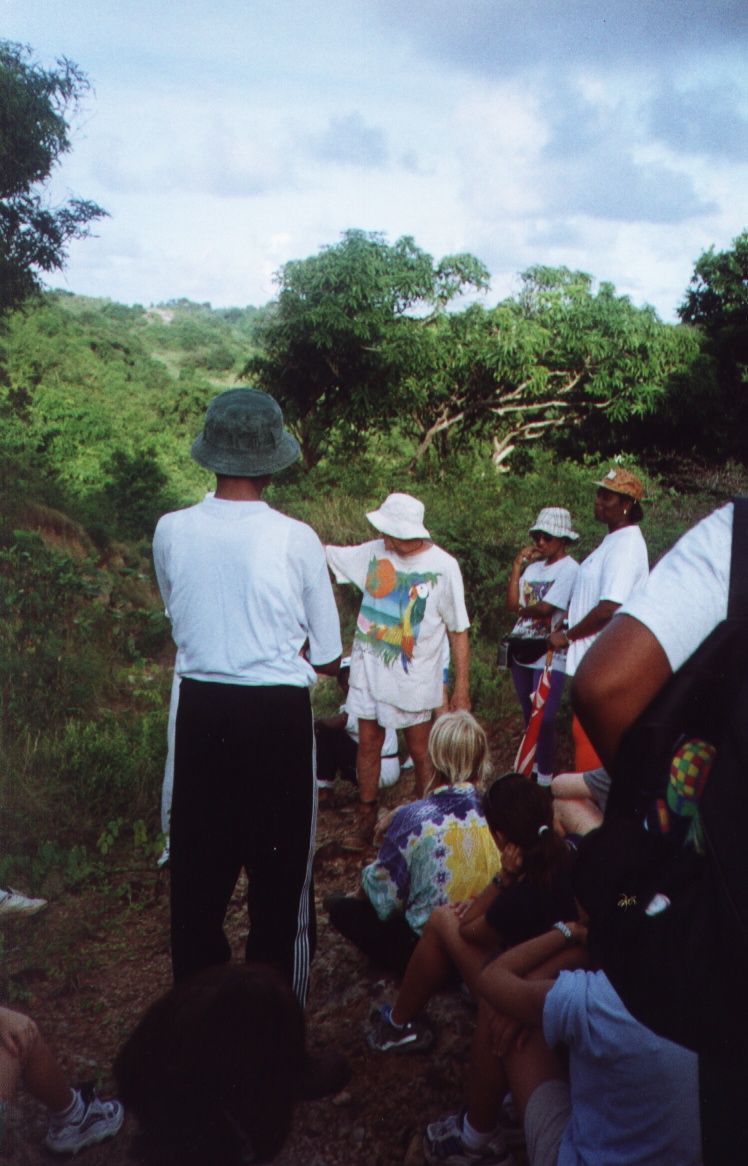
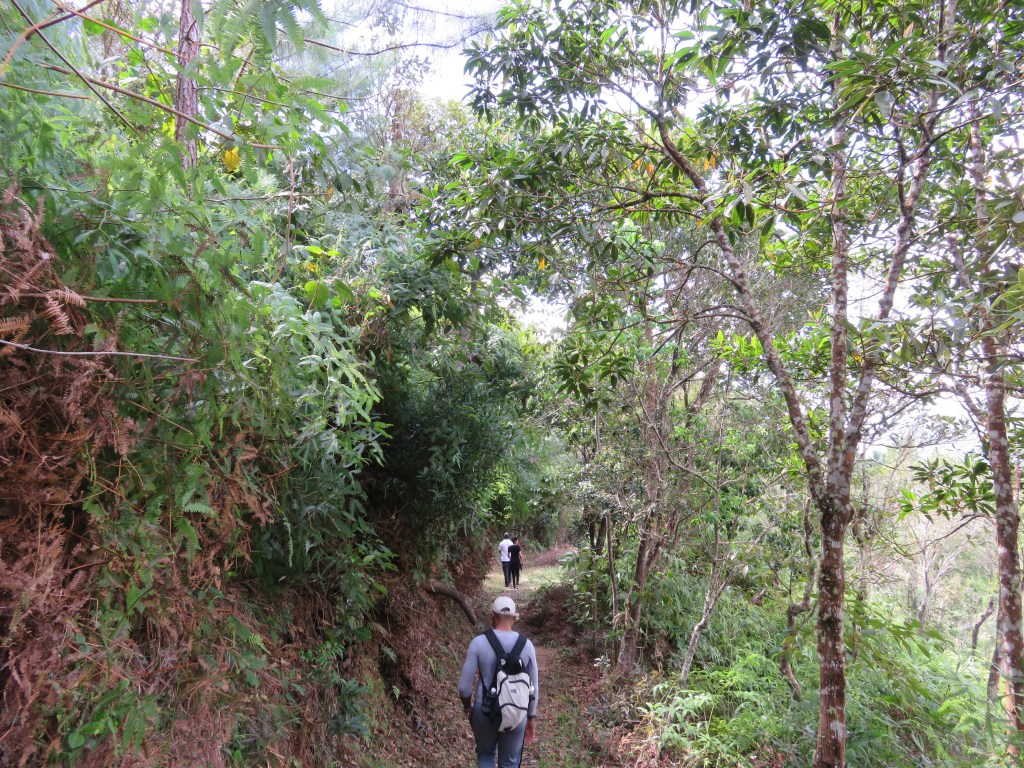
Colin in his element, telling a story or talking about the plants and trees. Can’t see his face but it’s hard to mistake the hat and those knees 😄.

Colin was unlike anyone I’d ever met and I admired him tremendously. He was passionate about the natural environment and felt that all of us had a responsibility to be its steward. He lived what he preached and encouraged everyone he met to do the same, recognizing that all of us could be stewards in different ways. I met Colin through hiking, but because of our work in environmental conservation and protection, we frequently saw each other in various settings.

Colin and I became friends and we had friends and colleagues in common. It was in part because of his friendship and these colleagues in common that I got an inkling that I was to be awarded the Fulbright/OAS Scholarship. He was an ethical person and couldn’t tell me outright, but he kept dropping subtle hints so that I wouldn’t look for alternatives to start my PhD before the Fulbright was awarded, because he knew the policy was that if I started the degree I would become ineligible for the scholarship. We had a good chuckle about it once I was officially notified and I still remember the cheeky grin he had on his face 😊.
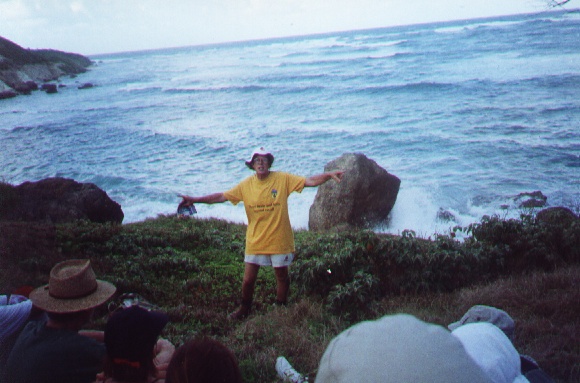
Whereas Hugh Cresser was my sustainable tourism mentor, Colin was my natural resource/environmental stewardship mentor. Colin, the Future Centre Trust (the non-governmental organization he established out of The Village of Hope from the 1994 UN Conference on the Sustainable Development of Small Island Developing States (SIDS)), and later Treading Lightly (another NGO he founded), were great resources for me as I implemented the greening programme at my company’s hotels. The Future Centre Trust was also the foremost NGO in the environmental movement in Barbados and helped to raise the awareness of many of us living on the island.

Some practices I learned from Colin or did a lot more because of him: reusing/repurposing e.g. old tires, boots and any kind of container for planting; experimenting with using various fruits and vegetables in baking and beverages (this was a lesson from his partner Maureen more so than Colin); the value of interpreting natural and cultural resources; walking the talk of sustainability; taking advantage of any opportunity to raise awareness about our environmental responsibility; choosing hope rather than despair in the face of environmental degradation (needed now more so than ever with the climate change mess).

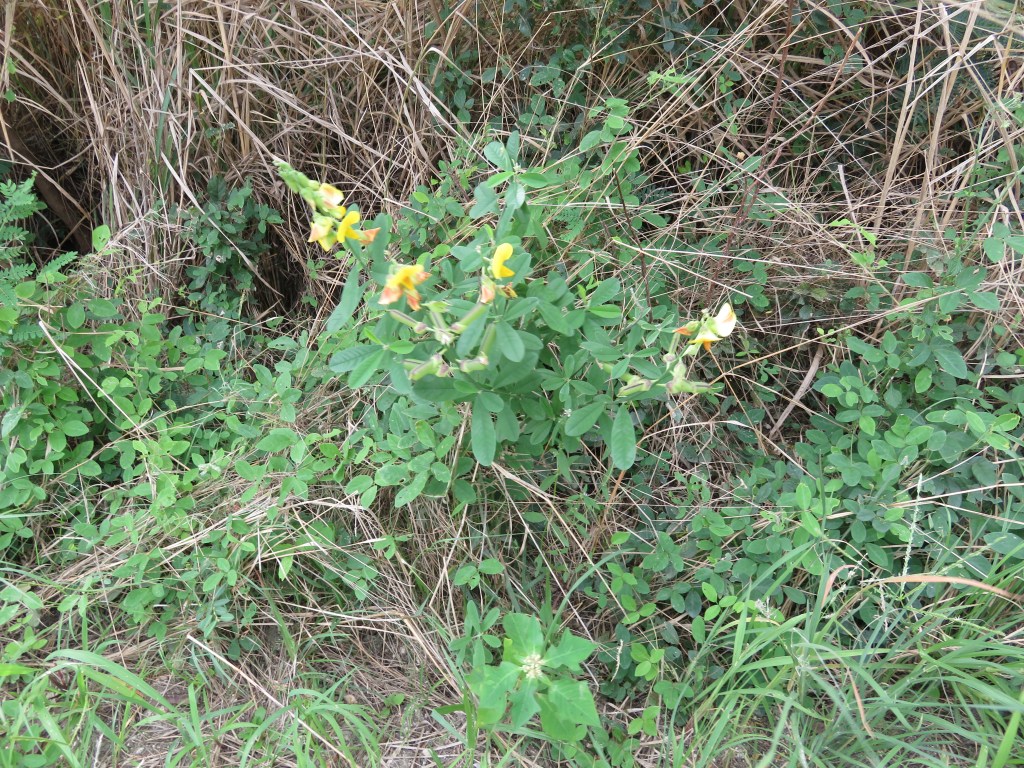
Colin had a great sense of humour that I think was outmatched only by his deep knowledge of nature and local history. I really respected the latter because he was not Bajan by birth, nor did he grow up here. He came to Barbados to work and one of the contributions I remember him describing was developing a new hybrid of sugar cane. Yet there was never a time that I hiked with him that he was unable to set the historical context for where we were. He also had a knack for pointing out which plants were edible and which we could use to nefarious ends; I’ve used my knowledge of the former, but not the latter – at least not yet 😁.

On Sunday evenings when I hiked, I tended to stay close to the front of the pack with (not ahead of) Colin for two reasons: he always had something interesting to say and importantly, one never knew when he would turn off onto another track or trail. On more than one occasion, I saw people walking ahead of him who didn’t realize that they were no longer hiking the same trail he was. It was funny but I never wanted to be the one to turn around and not see the rest of the group 😄. I went to many places in Barbados and learned much about my home because of Colin Hudson and the Barbados National Trust hikes.
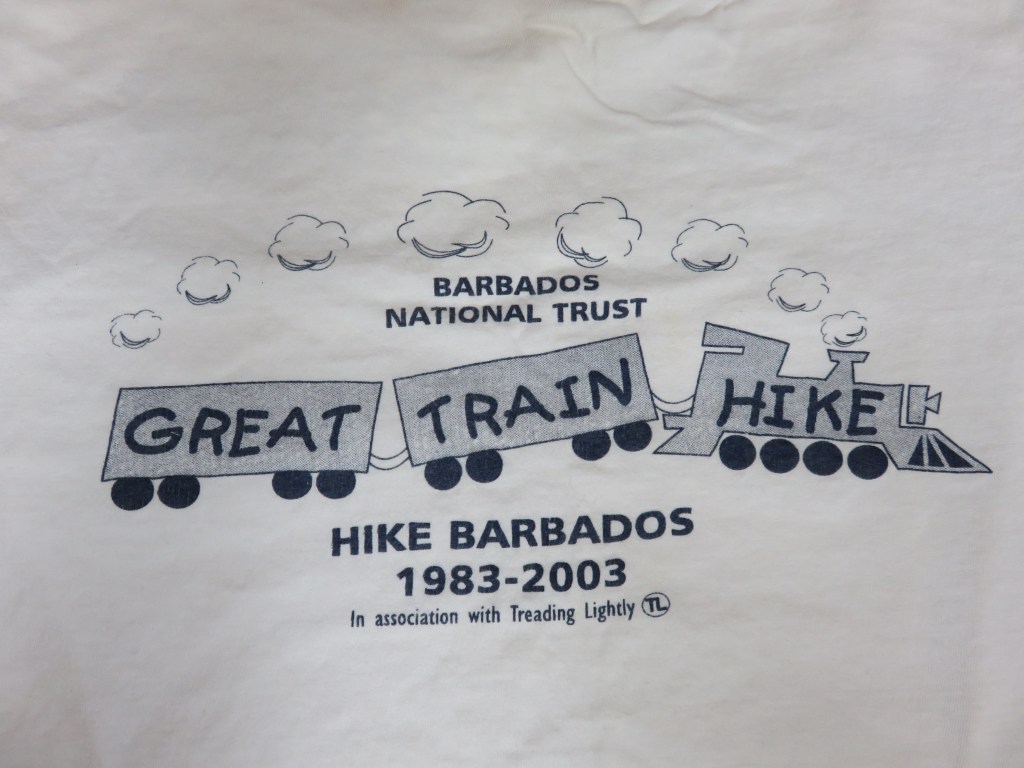
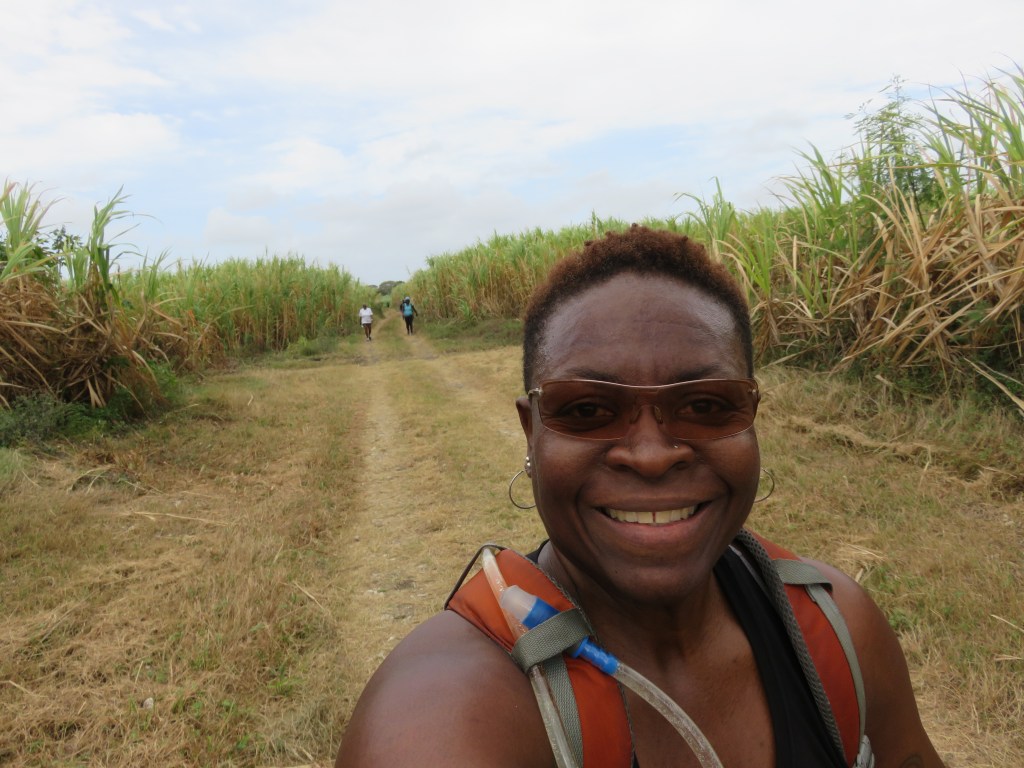
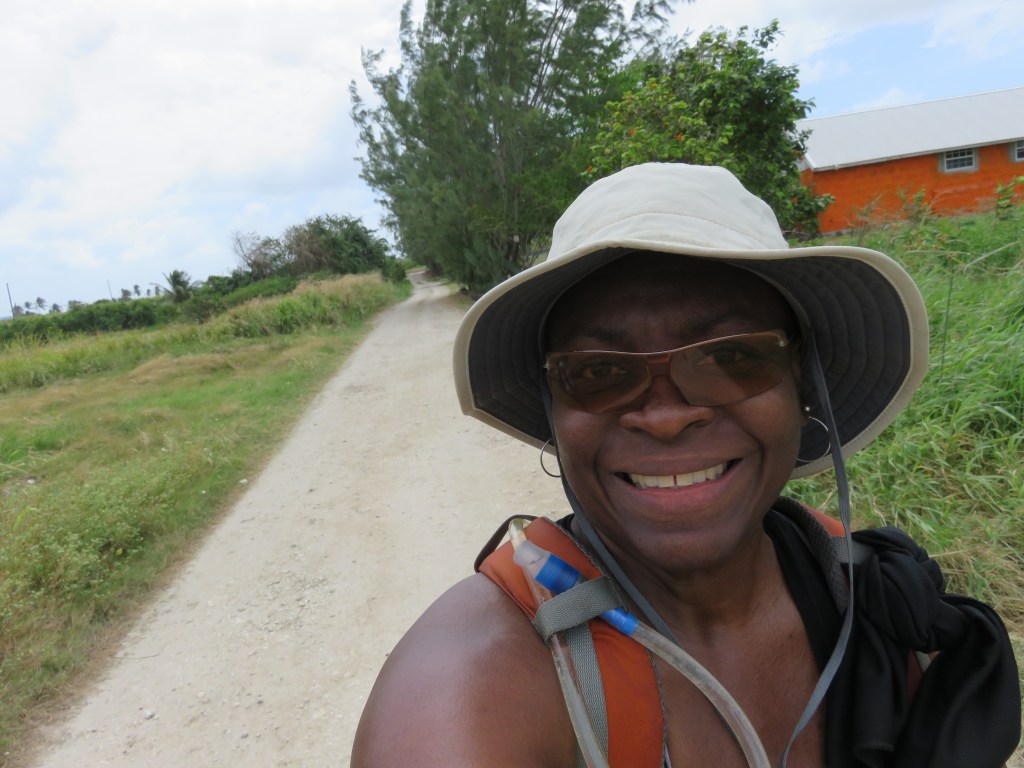
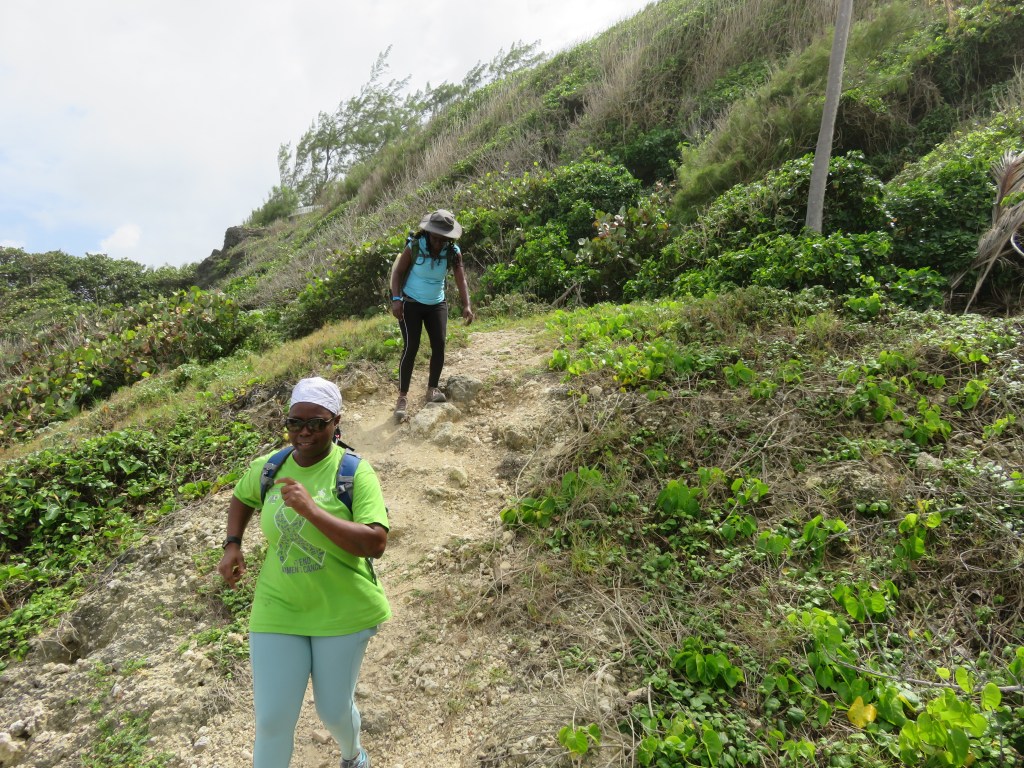
My t-shirt is still going strong 😊

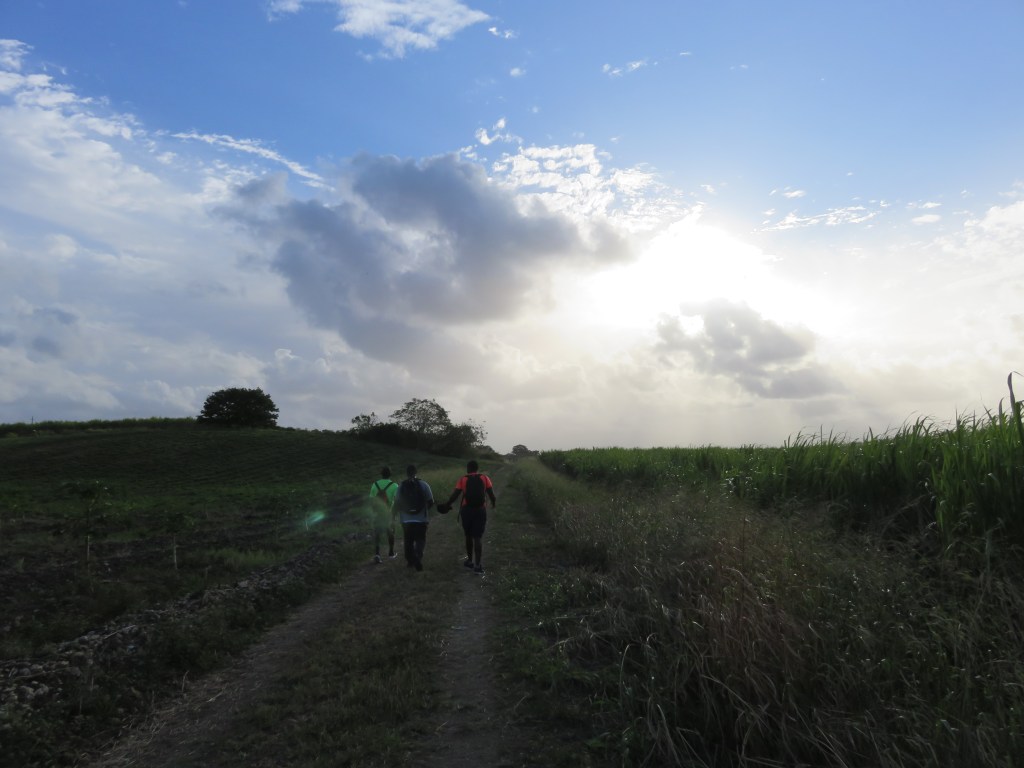
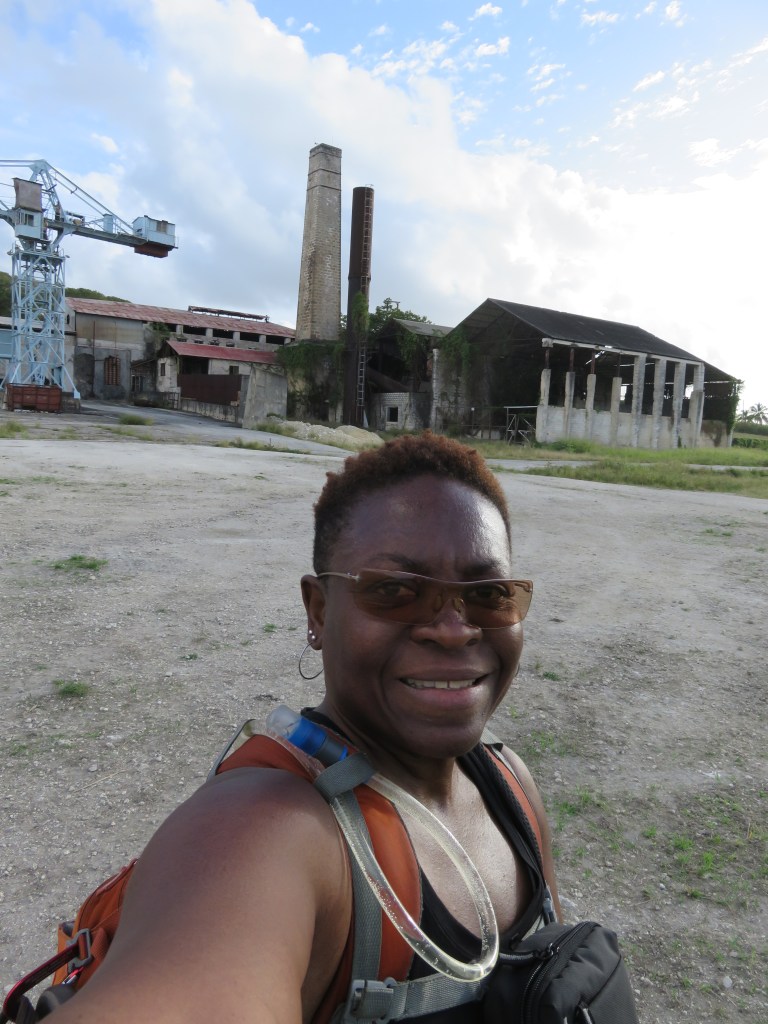
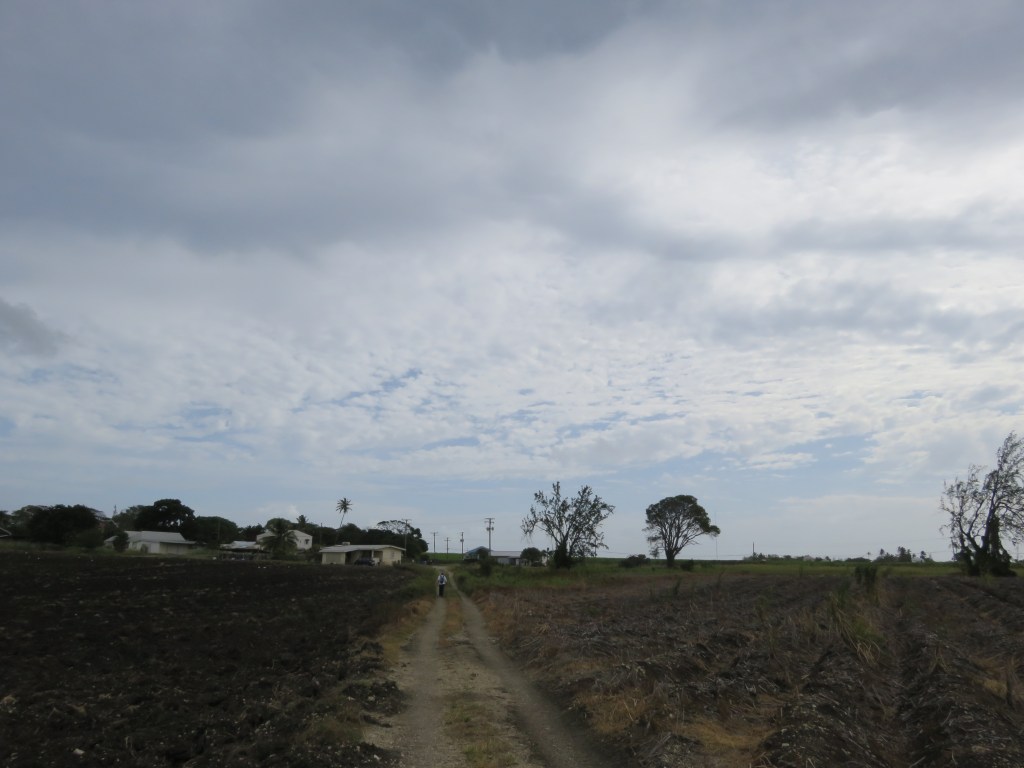
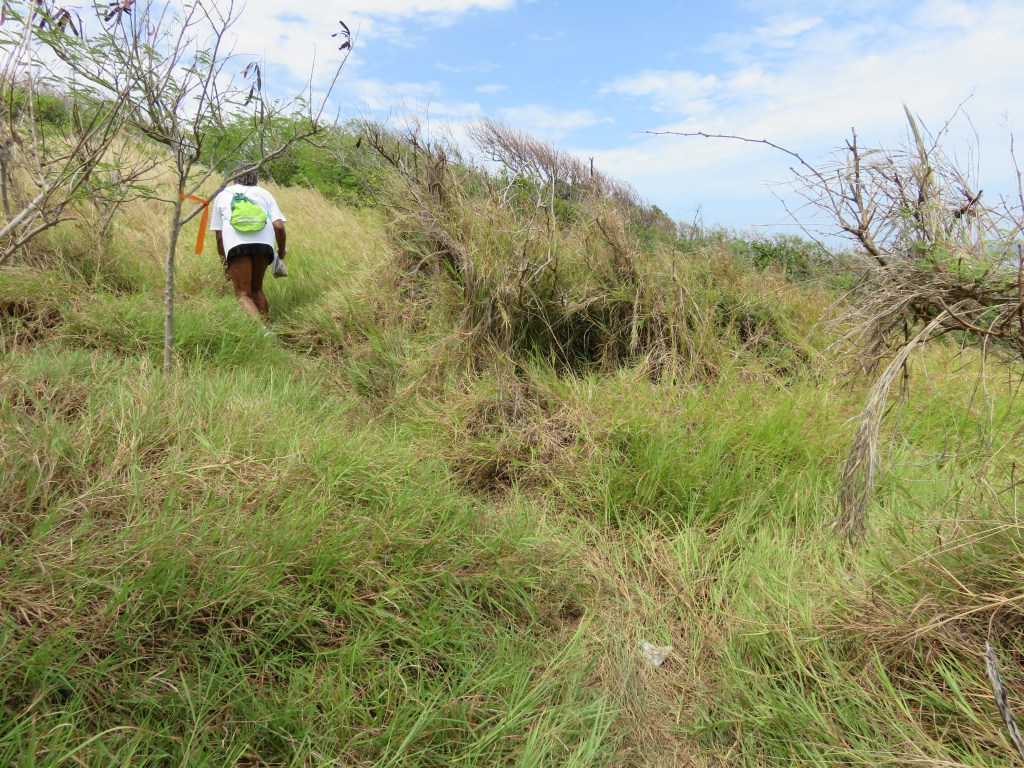
One of the things Colin talked about a lot was the train that used to run in Barbados. Segments of the train route were incorporated in a few of the hikes offered on the annual hike calendar, but Colin wanted to do more, and envisioned a hike that would follow the train route from Bridgetown the capital, to St. Andrew along the east coast of the island. He set the plan in motion and the Great Train Hike on June 8, 2003 was the result. There was great excitement about doing the hike and it was well promoted. There was no question that I would join the train and I encouraged my sister Harry to do the hike as well.

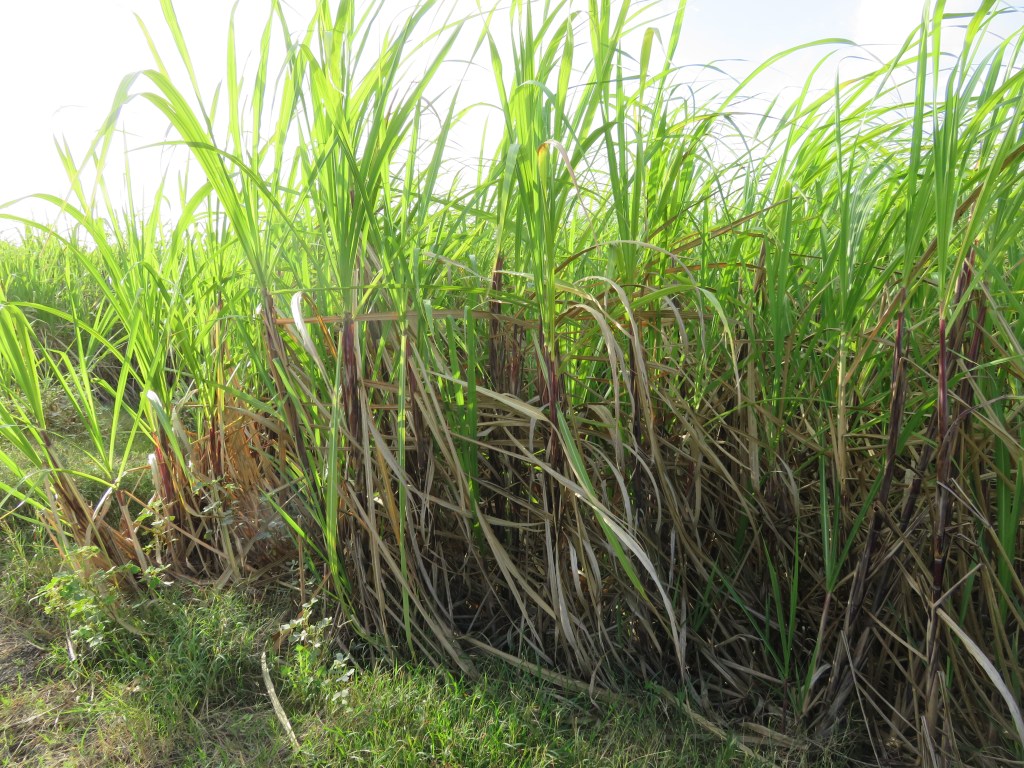
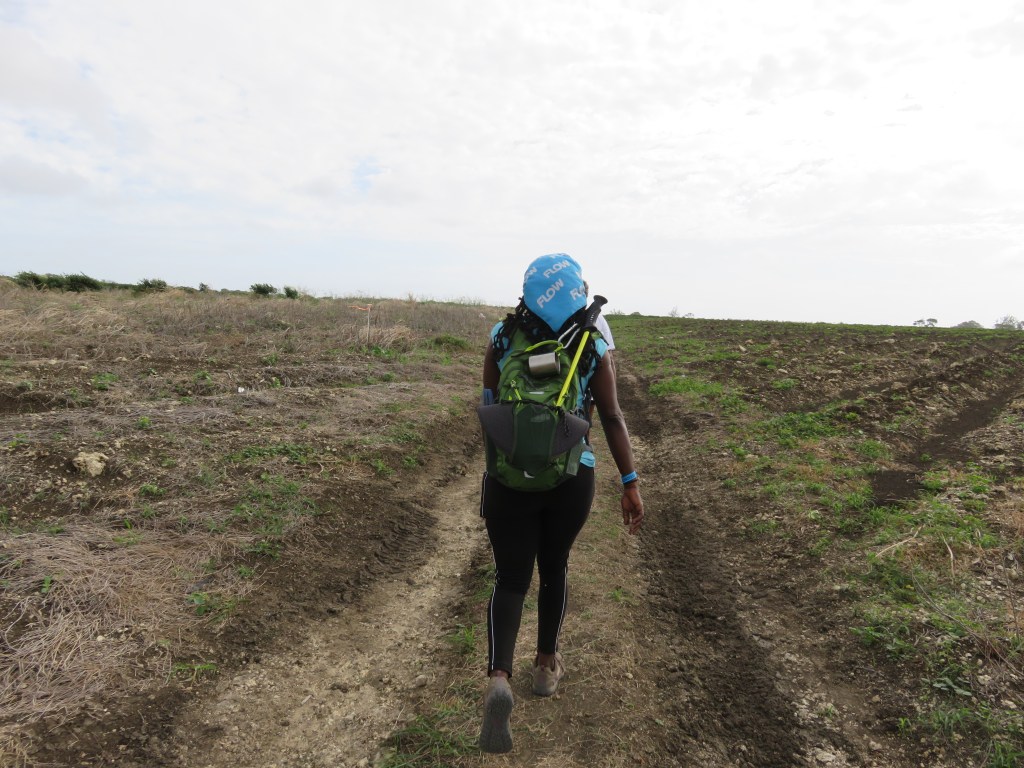
I had never done a hike of that length before and didn’t quite know what to expect, I just knew that I was doing it. It was perhaps good that I didn’t quite know, because 24-26 miles of walking through cart roads and canefields, sand, rocks, cliff edges and more could be rather daunting. After the halfway point, it’s a lot more about mental stamina than physical stamina. I survived it, as did Harry, though my photographic essay about her experience is something she would probably like to forget (or destroy, whichever is easier).  
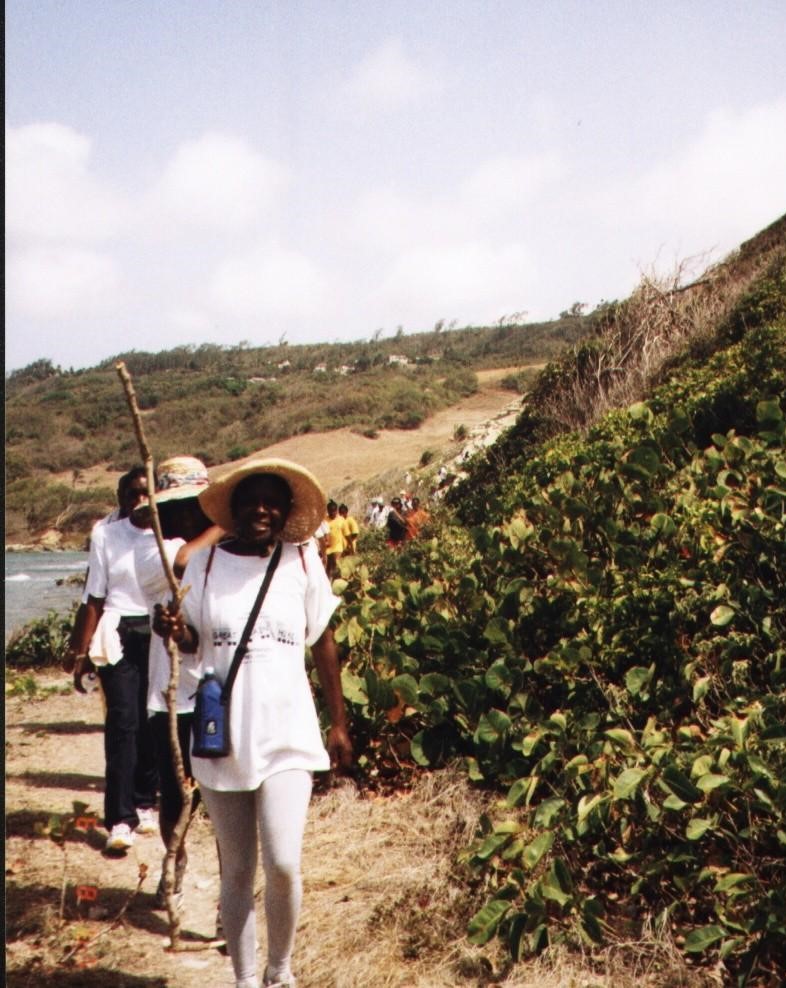
Harry using the stick I gave her after telling her one too many times that we were “almost there.” The first Great Train Hike was long before selfies were a thing and the only photos I have of the hike are of Harry 😁.

Colin passed away in February 2004, less than a year after we’d done the great train hike, and around 25 years after he started leading hikes for the National Trust. I was busy with consulting projects during that time and had been hiking less and less, but I was at home between project trips when my sister told me she’d heard a news announcement that he’d passed away. It was quite a shock and I could only imagine what Maureen and others close to him were feeling. I knew what I lost that day.

Thinking back about the years since, I don’t know if I’ve done more than one hike with the National Trust since he died. I remember doing one and feeling a sense of wrongness, I didn’t have the connection with the leader that I’d so easily made with Colin, and he didn’t have Colin’s breadth of knowledge, but it was really a non-issue because from mid-2004 onward I was away from home for most of each year and did my outdoor activities elsewhere.

Colin Hudson Memorial Great Train Hike 2020

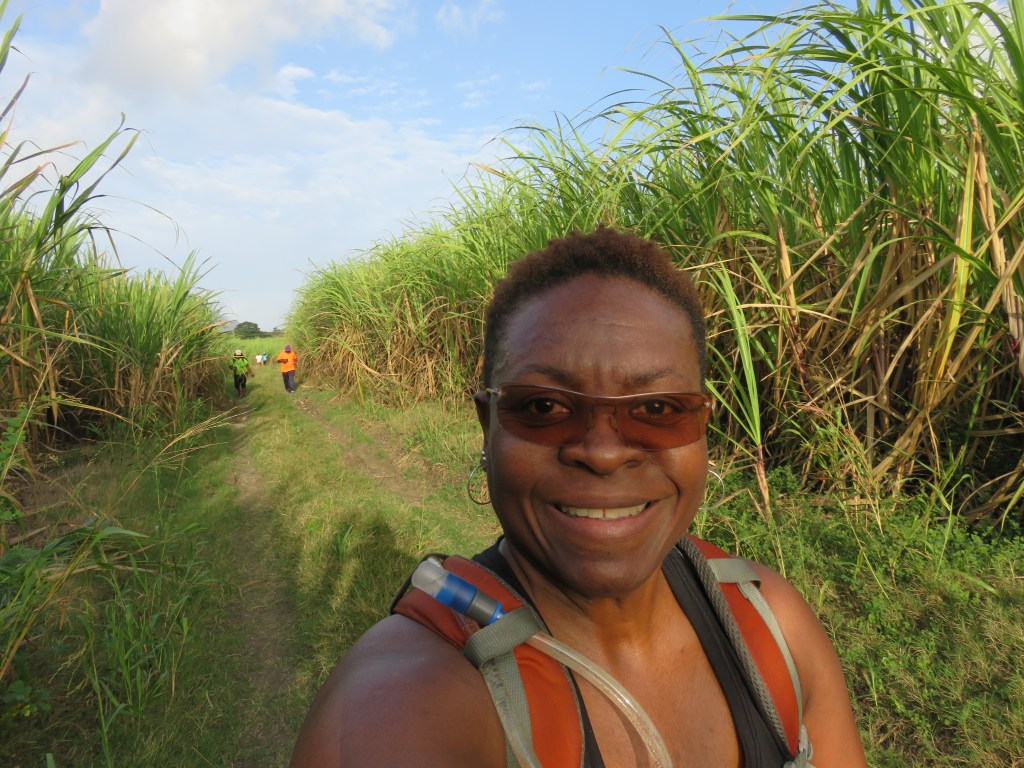
Around a year or so ago I decided that it was time for me to do the Great Train Hike again. It had been on the annual hike calendar since 2005 and renamed the ‘Colin Hudson Memorial Great Train Hike’.  The event is now held in February instead of June, not the most convenient time of the year for me (though appreciably cooler), but doable. It’s easy to be in Barbados and work remotely, so even though I’d planned to be officially on vacation, I could still work as needed.

With my mind made up, I booked my flight last November and prepared for the Train. I’d done a 60-mile walk in September and with my ongoing hiking and spinning it was just a matter of sticking with my routine to be physically ready for the Great Train. I also reasoned that it was a one day event so unlike the 60-mile, I wouldn’t have to wake up and walk 15-20 miles on two additional days.
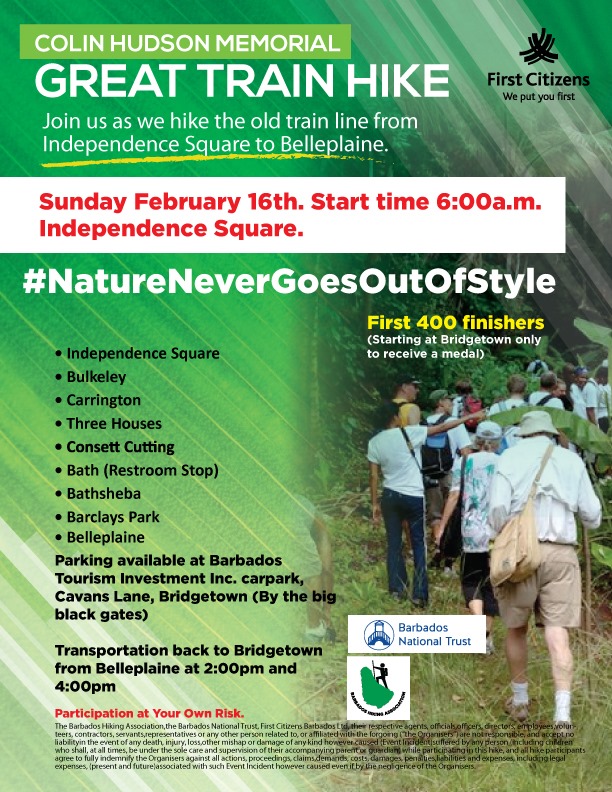
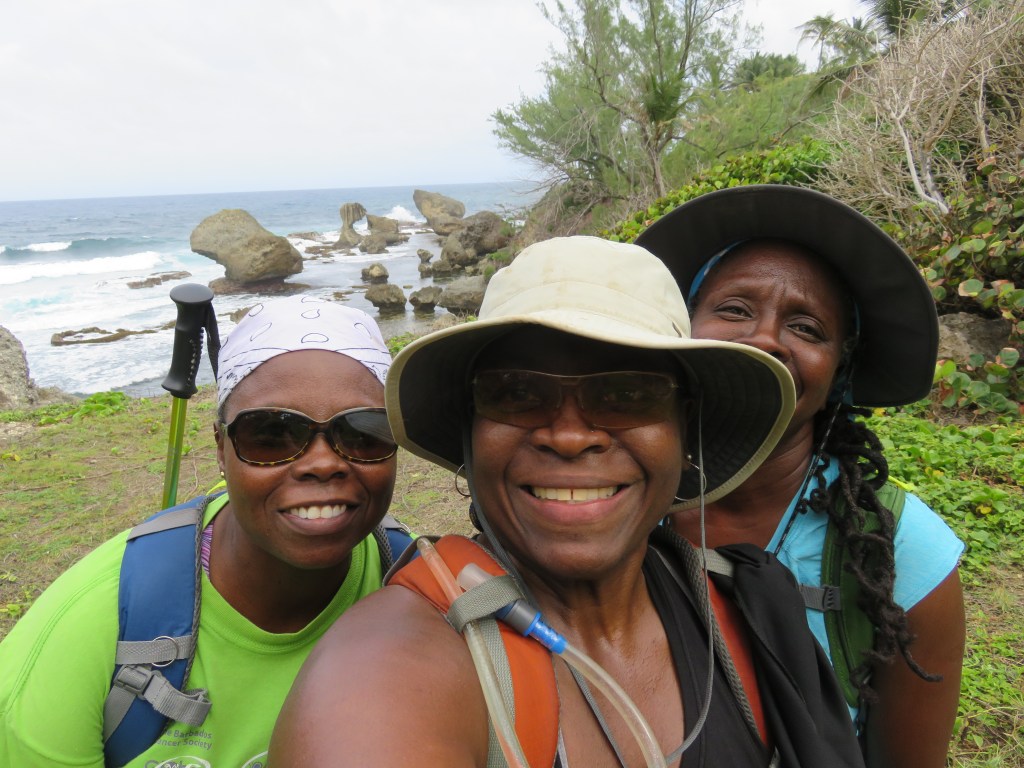
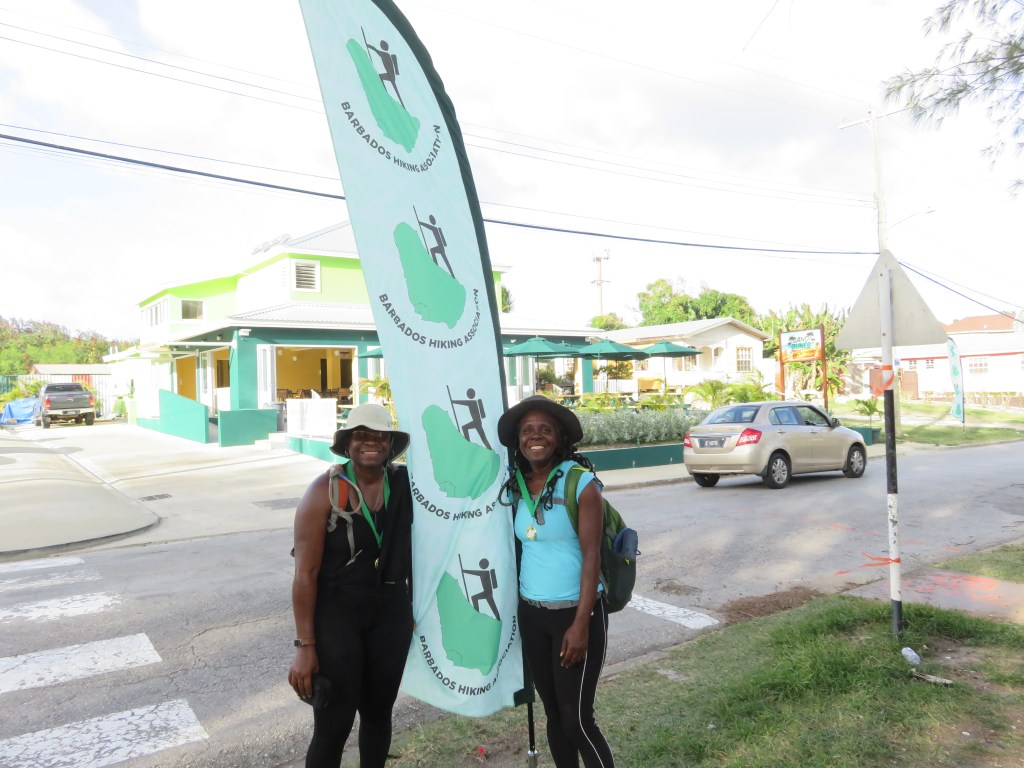
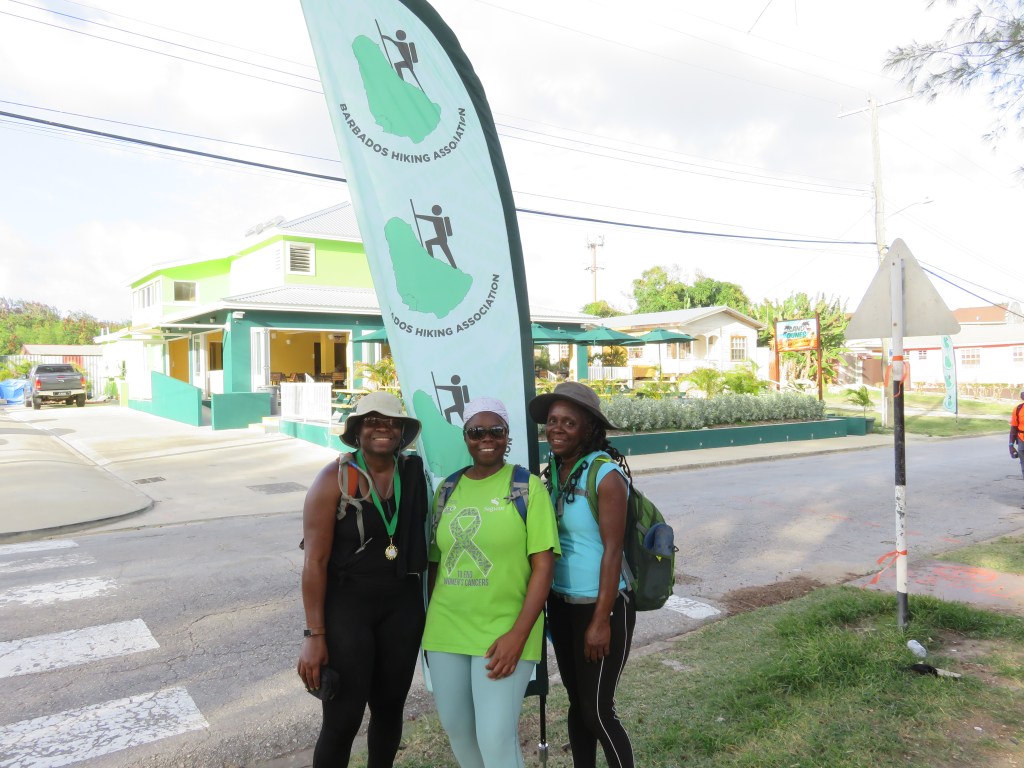
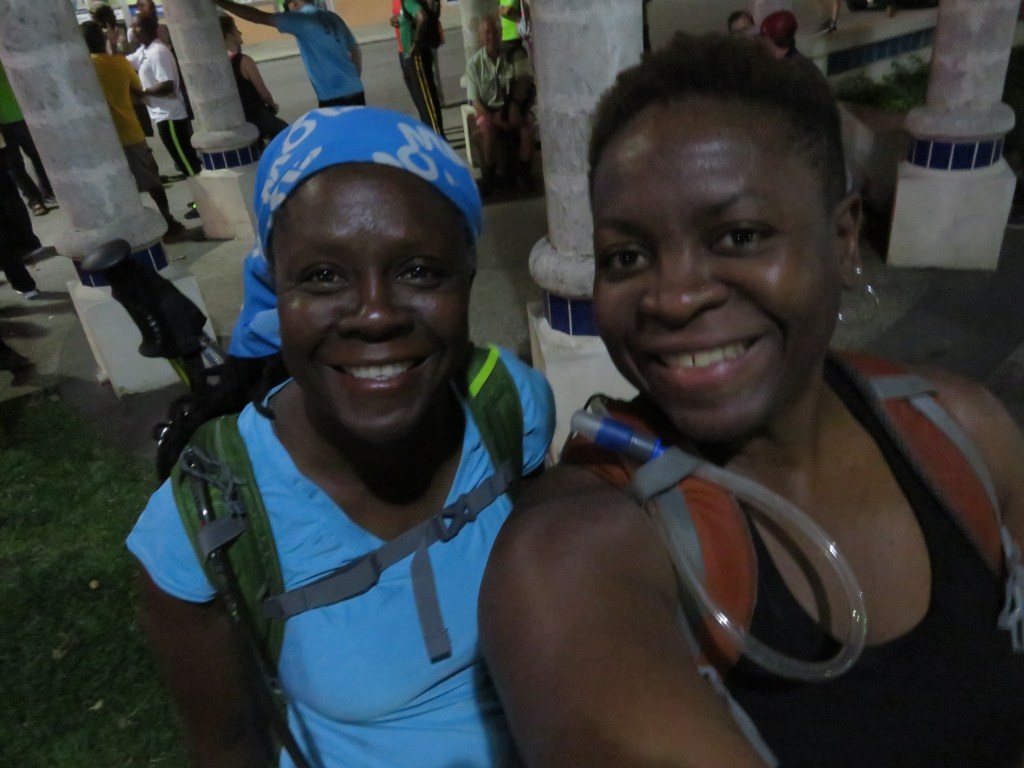
I asked/told my sister to do it again with me and gave her plenty of advance notice so this time she would be better prepared. Thus, at the crack of dawn on Sunday, February 16, 2020, my sister and I geared up and embarked on our 2nd Colin Hudson Memorial Great Train Hike. She was definitely better prepared than the last time, though she didn’t start training til December (there was some suffering in the last few miles). Honestly though, the longer the hike, the longer each mile becomes, so at the end of 26 miles everyone feels it.

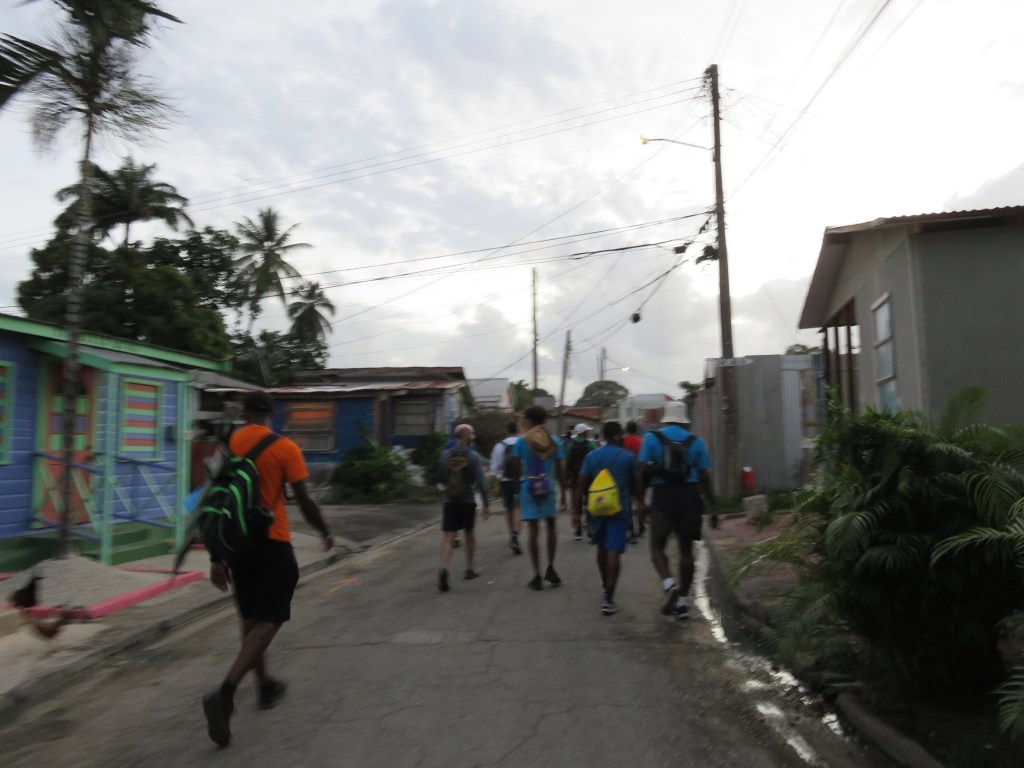
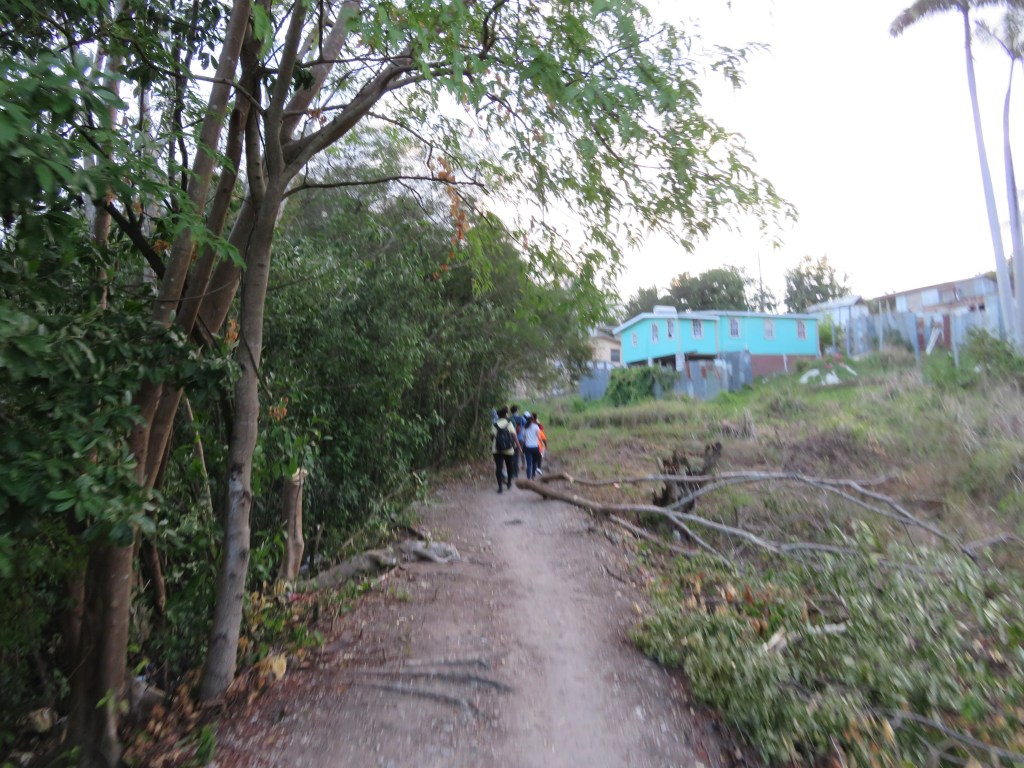
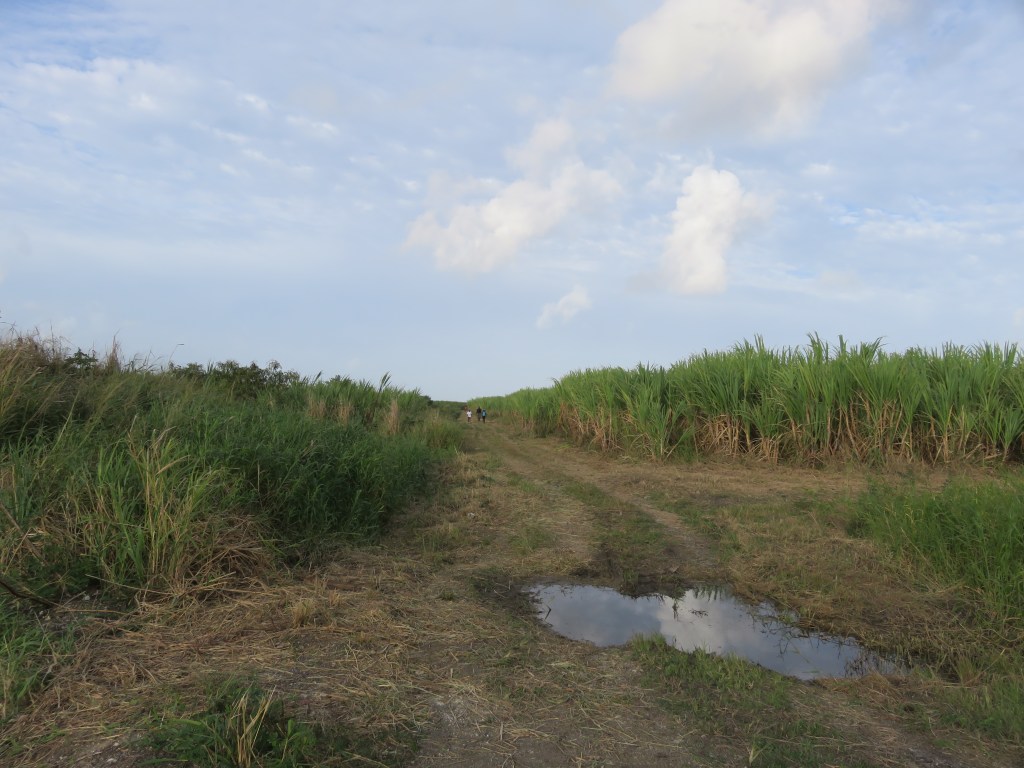
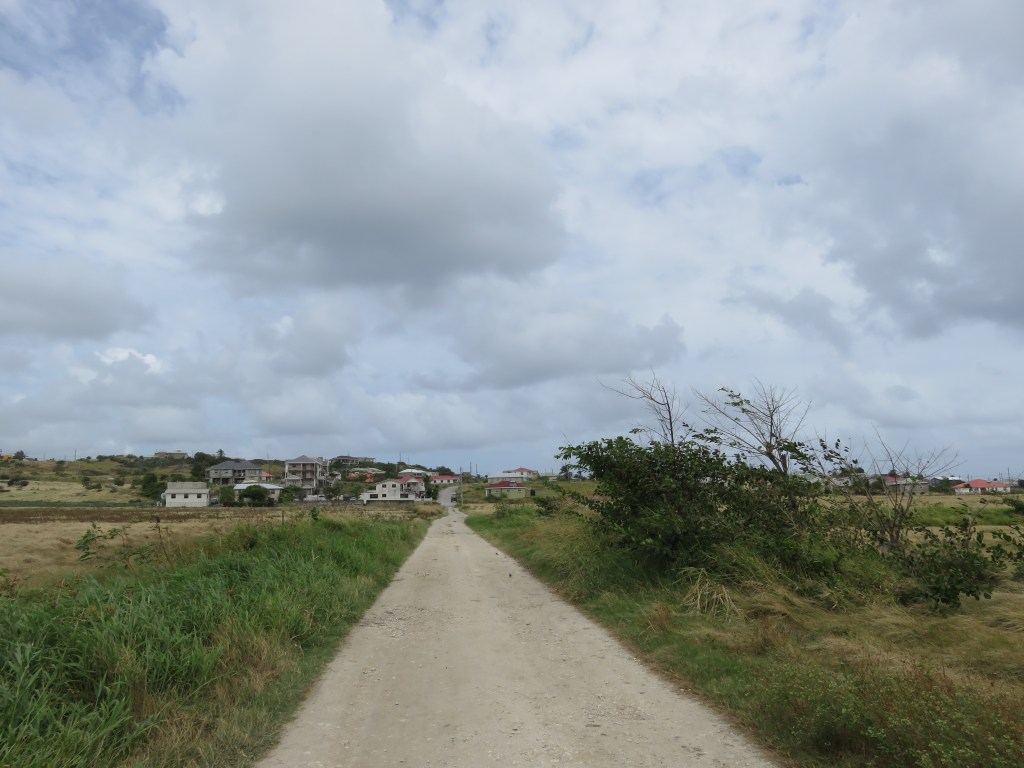
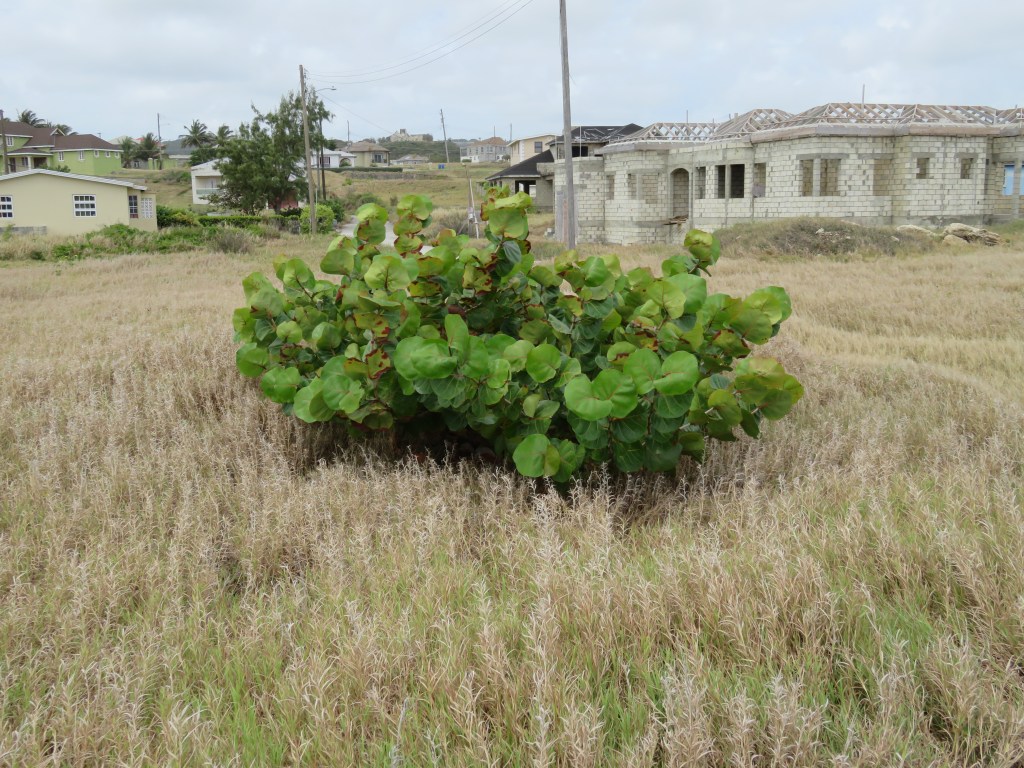
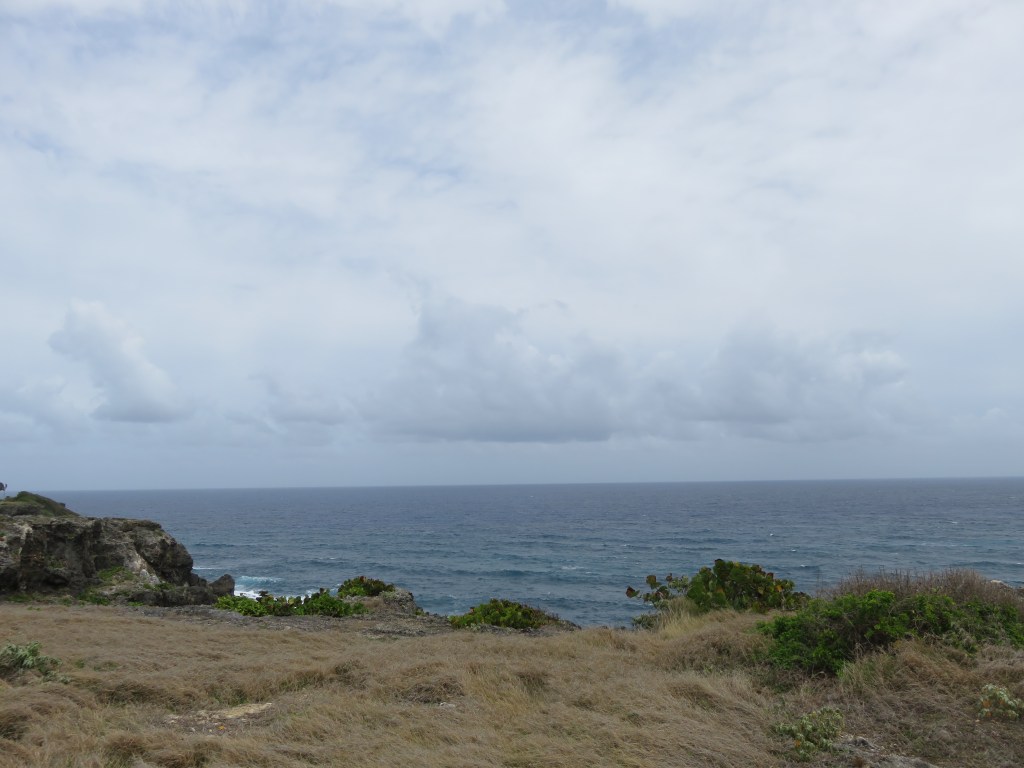
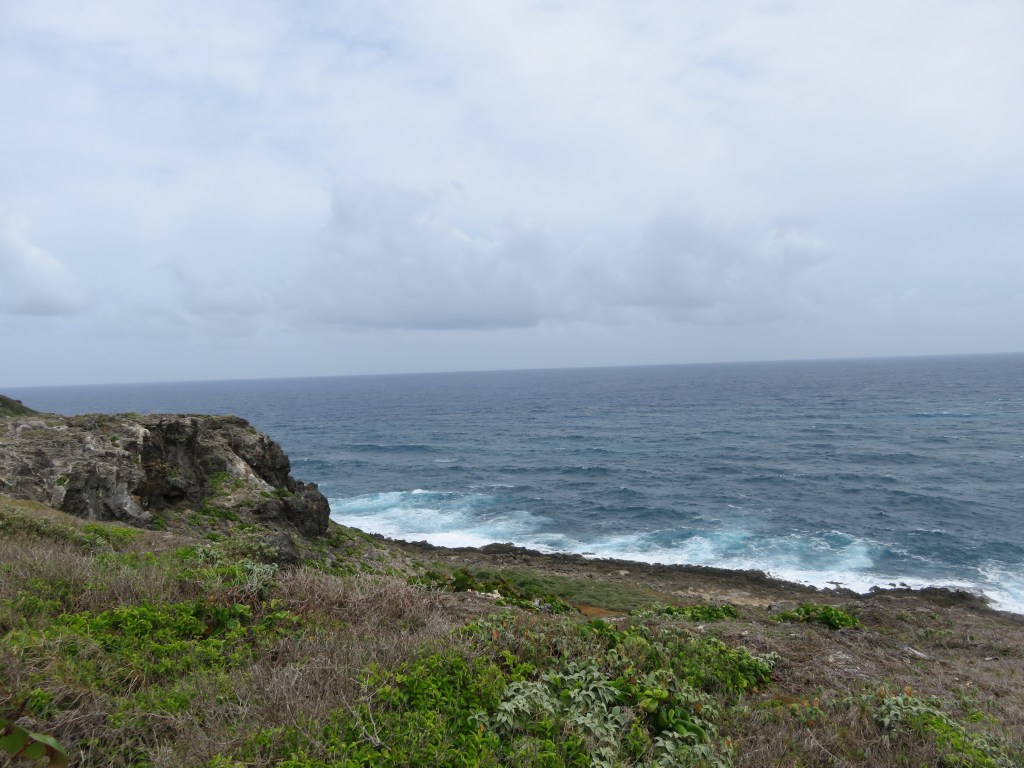
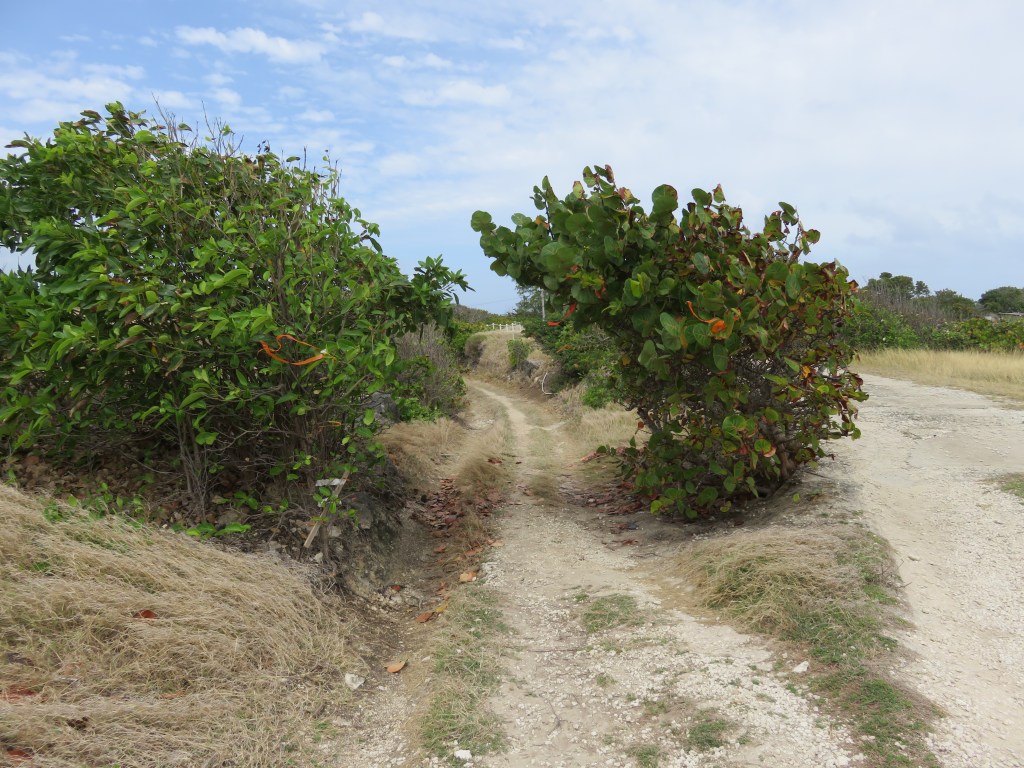
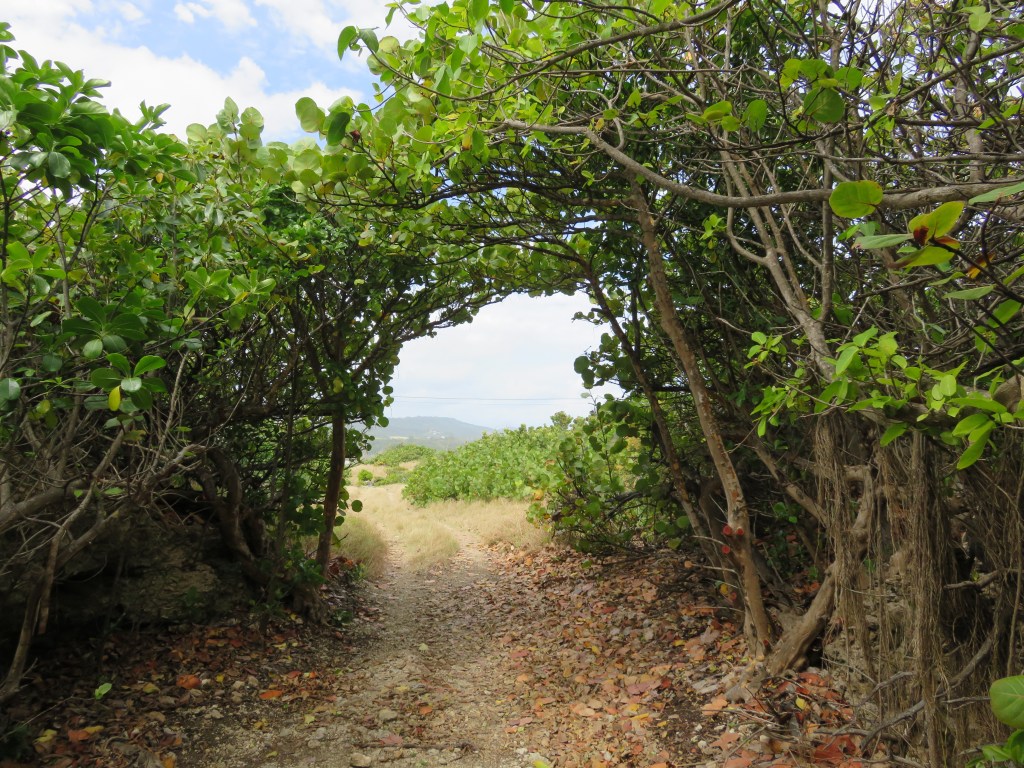
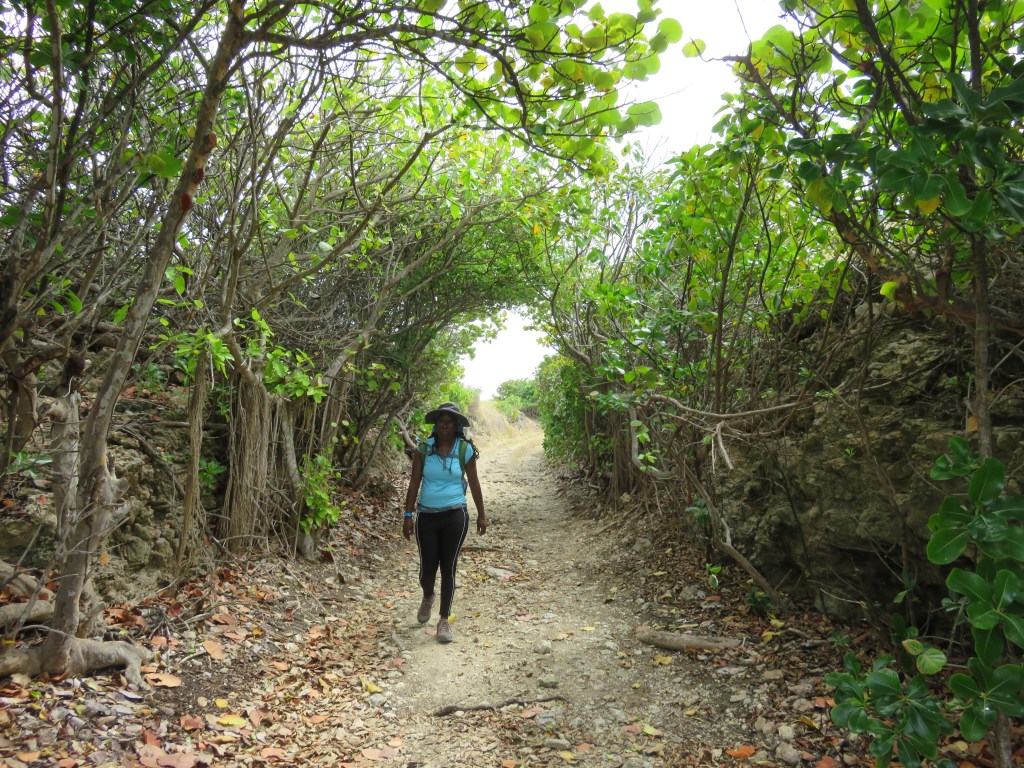
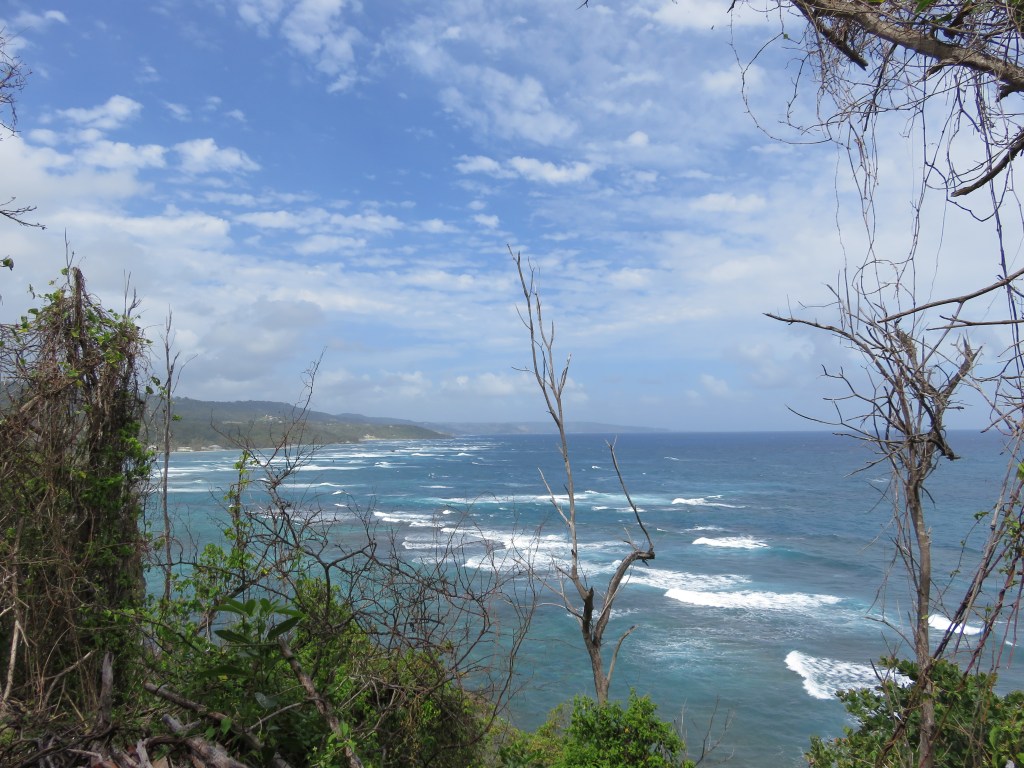
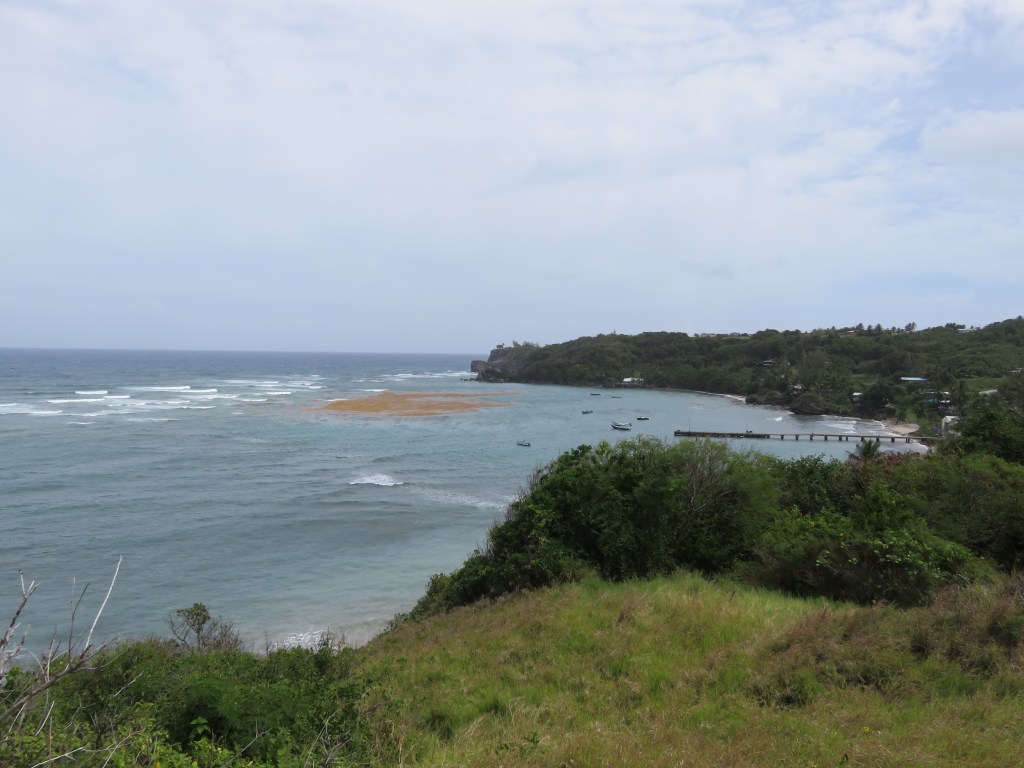
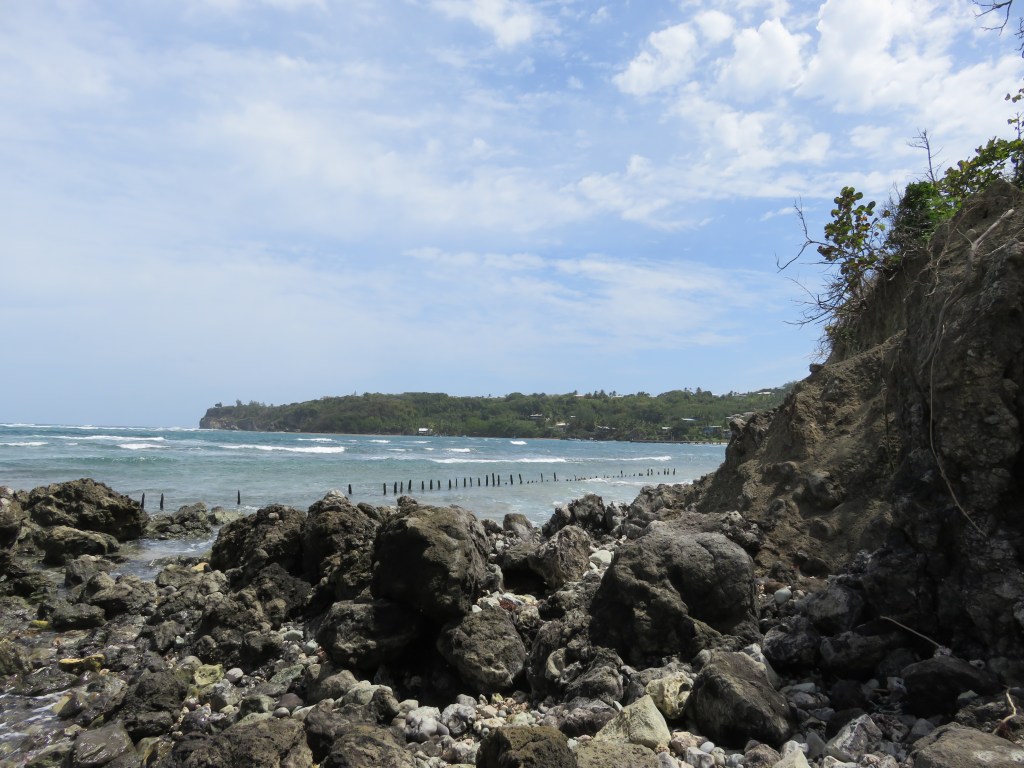
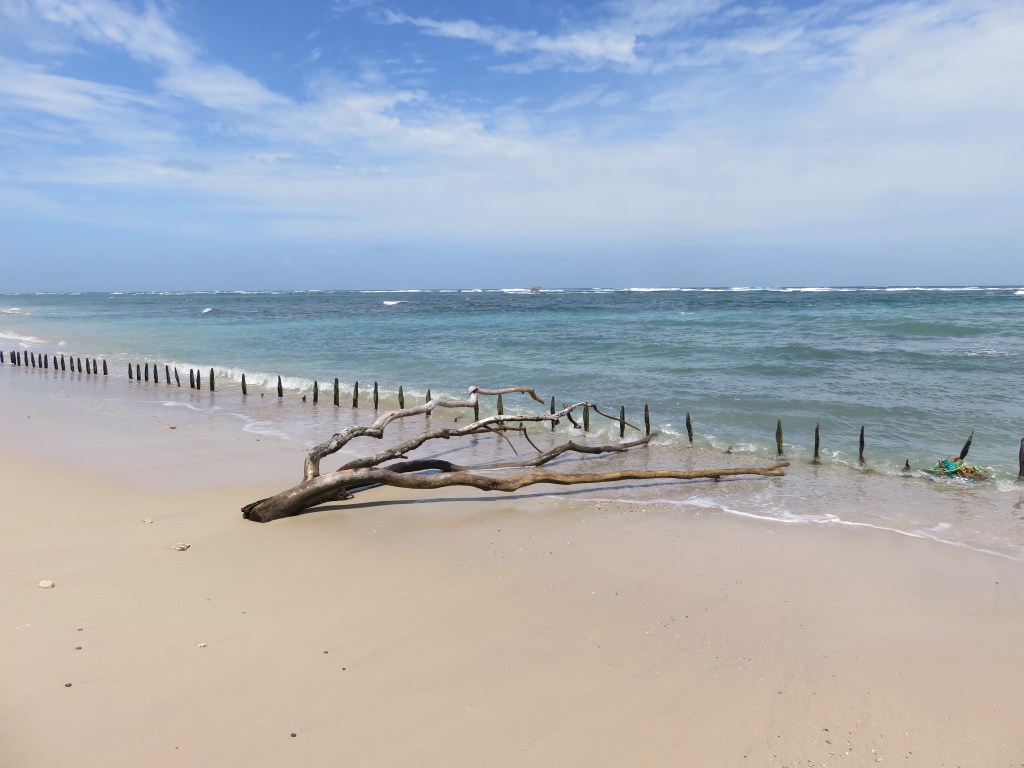
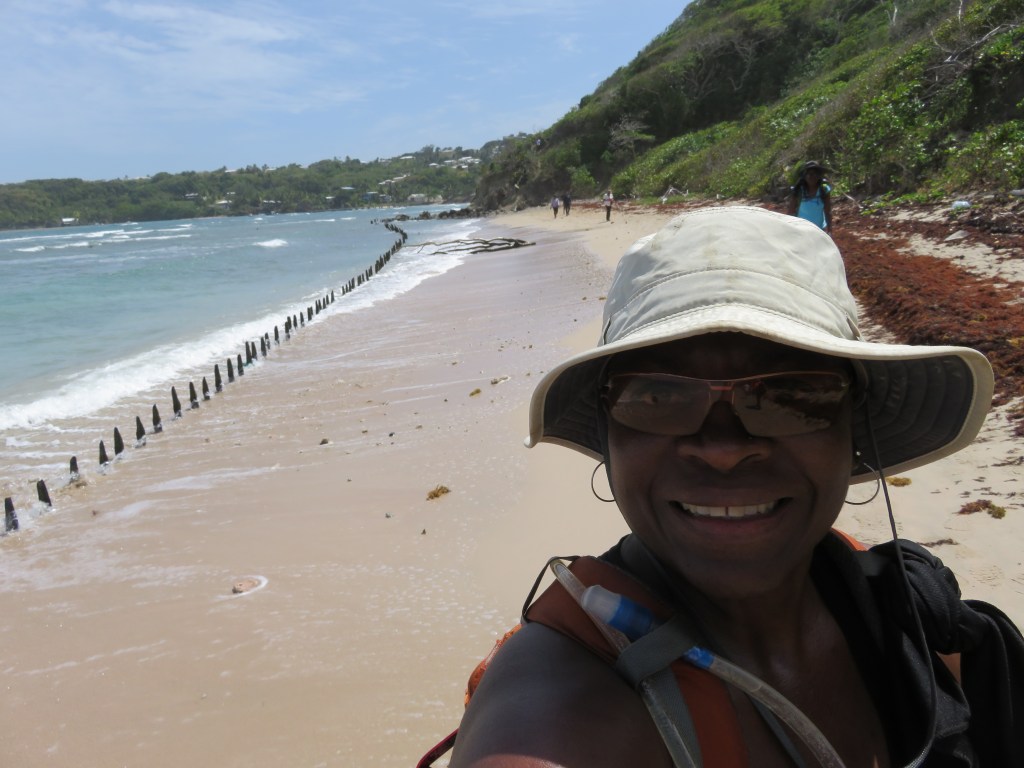
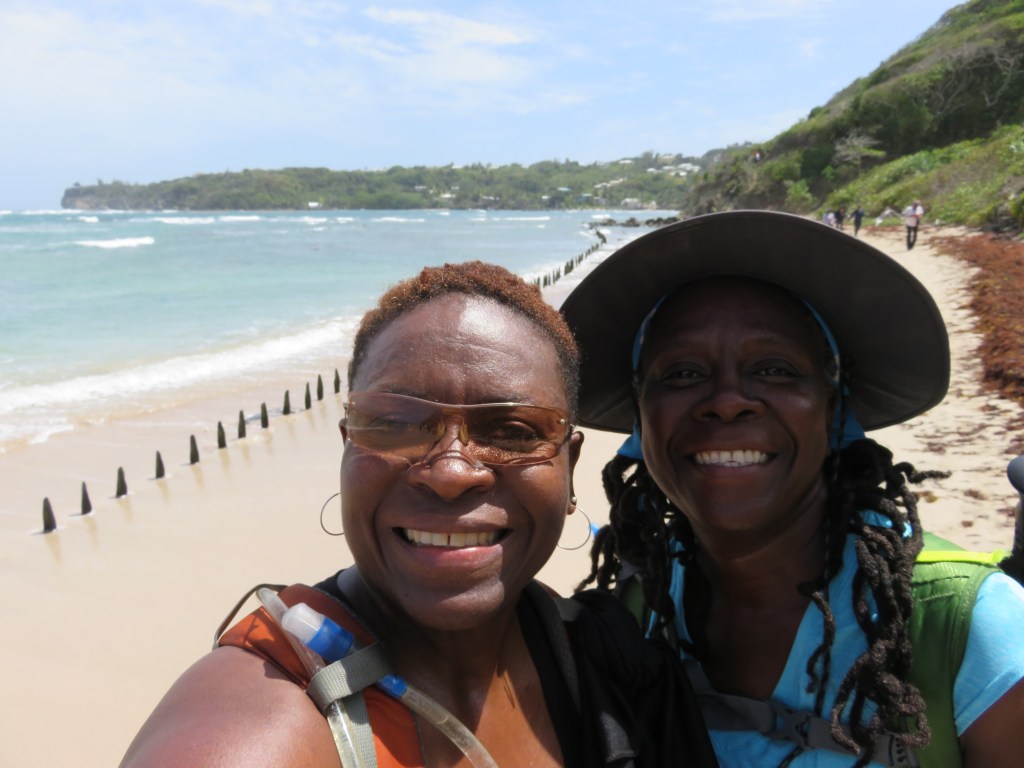
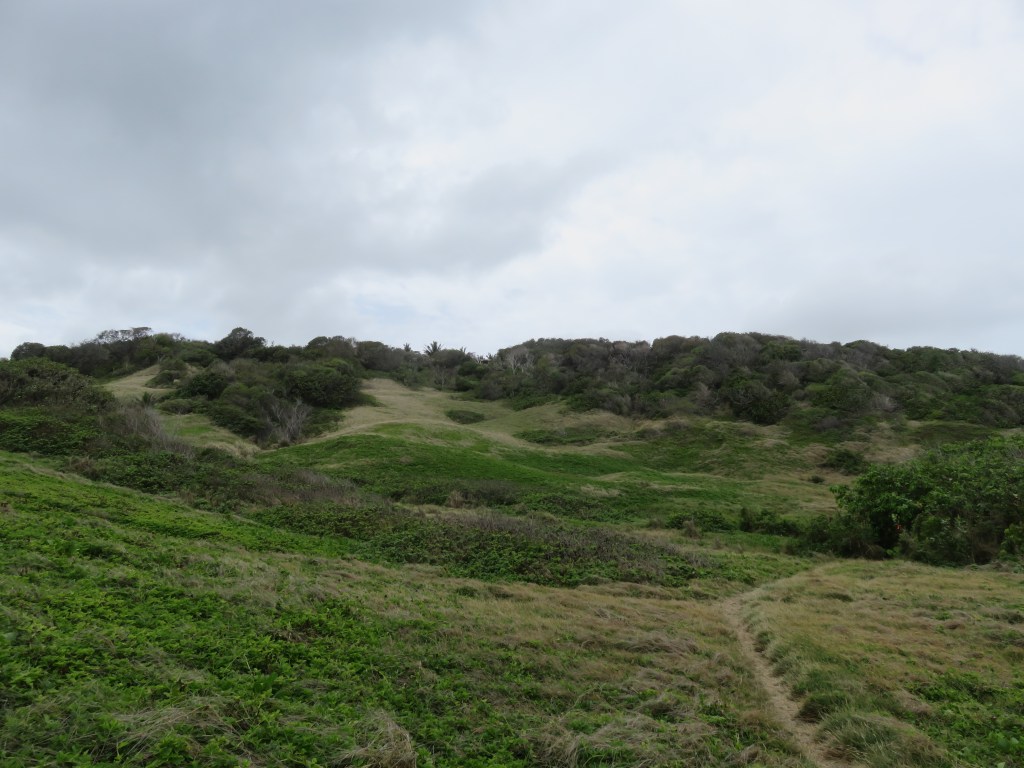
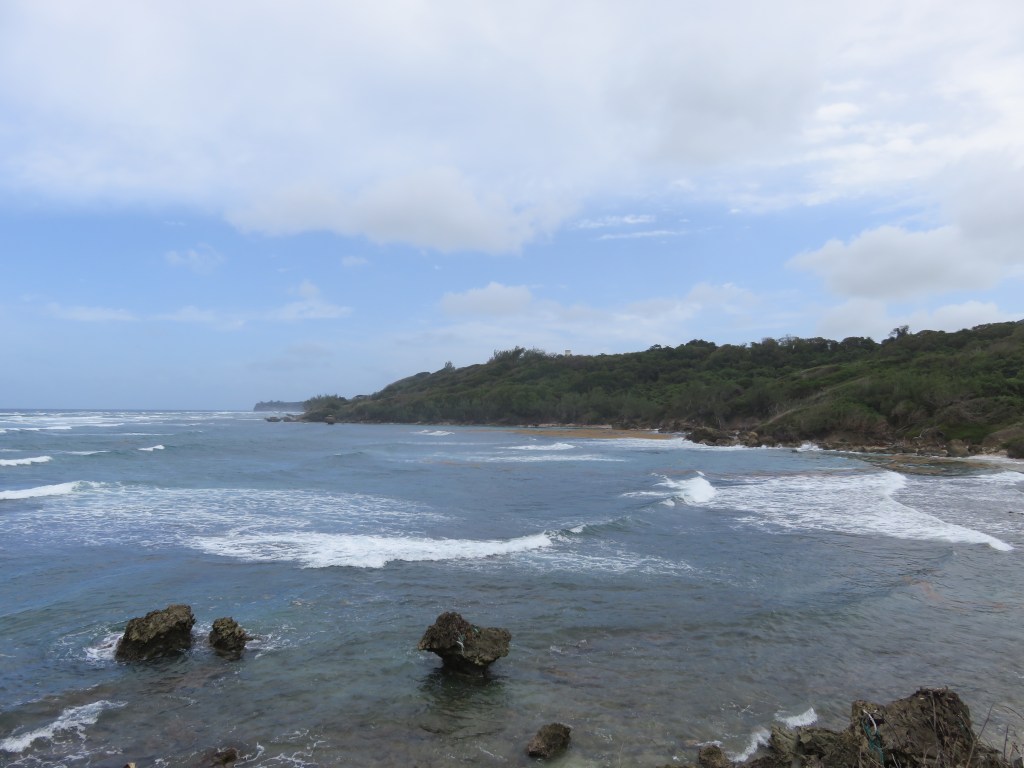
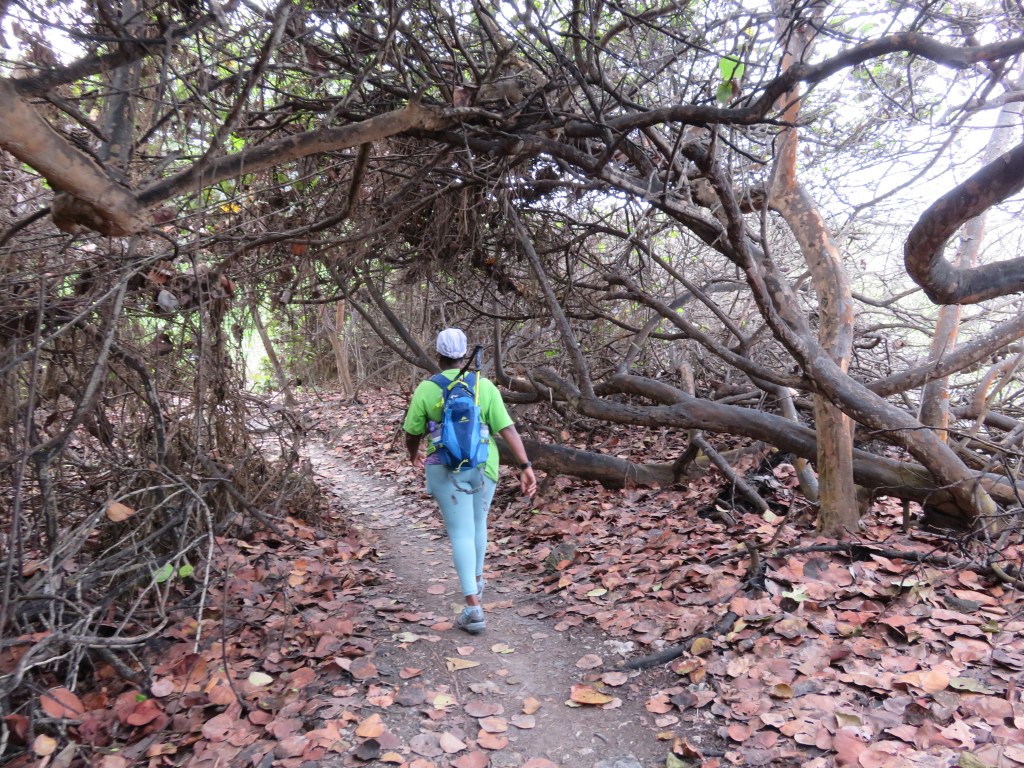
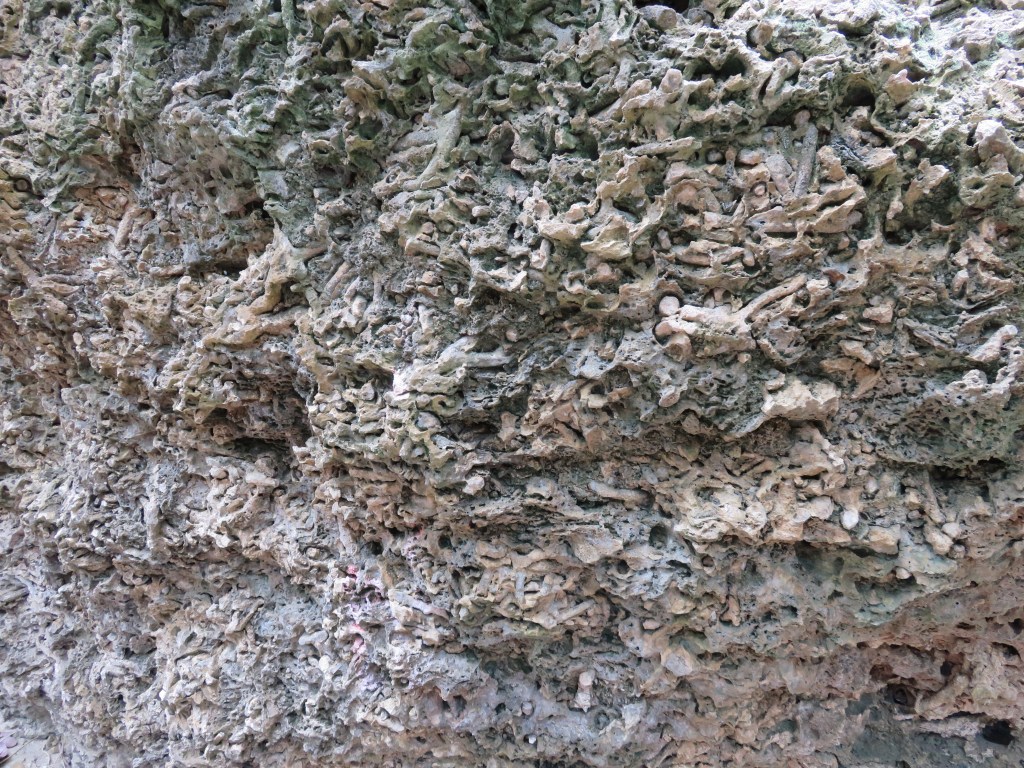
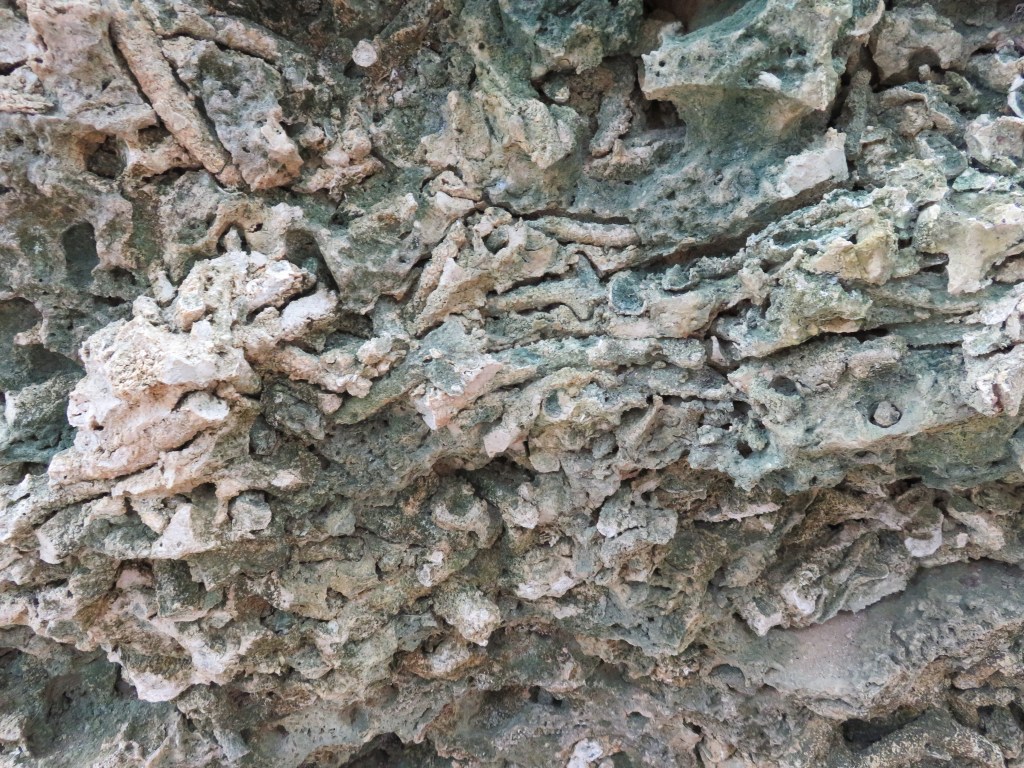
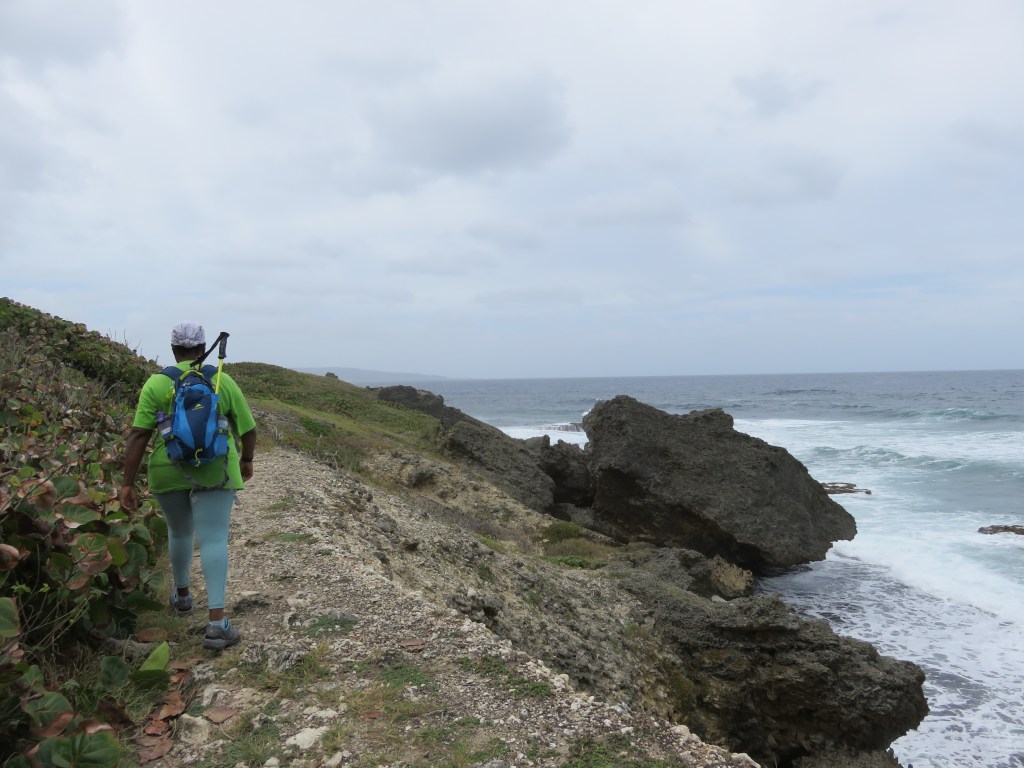
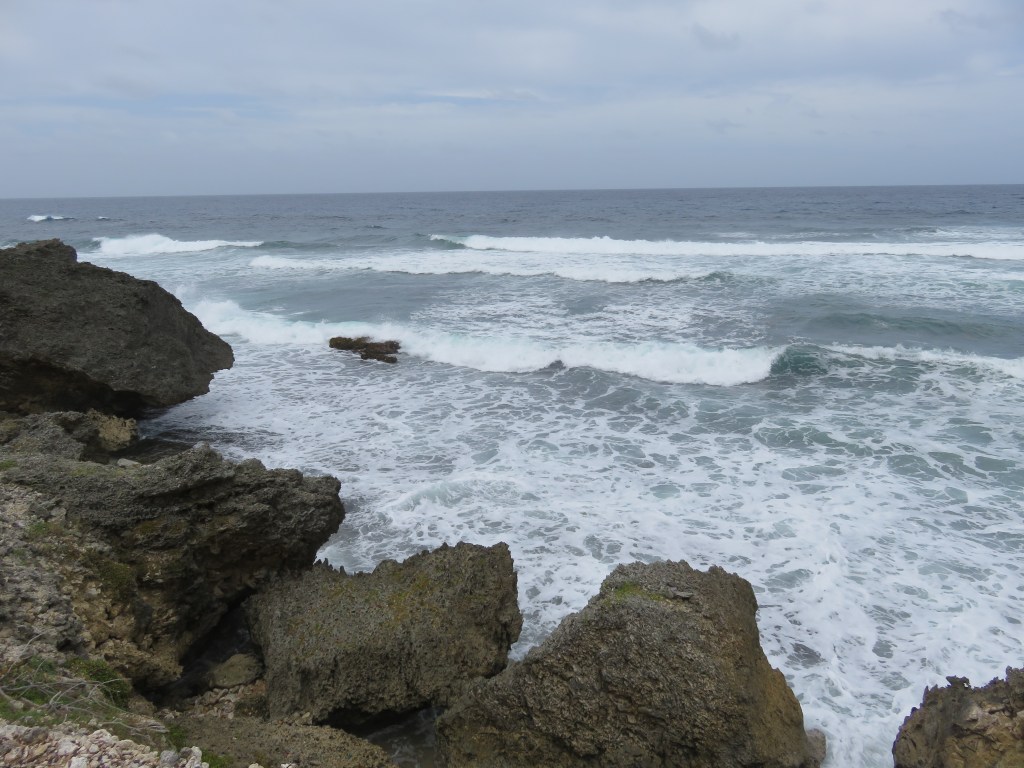
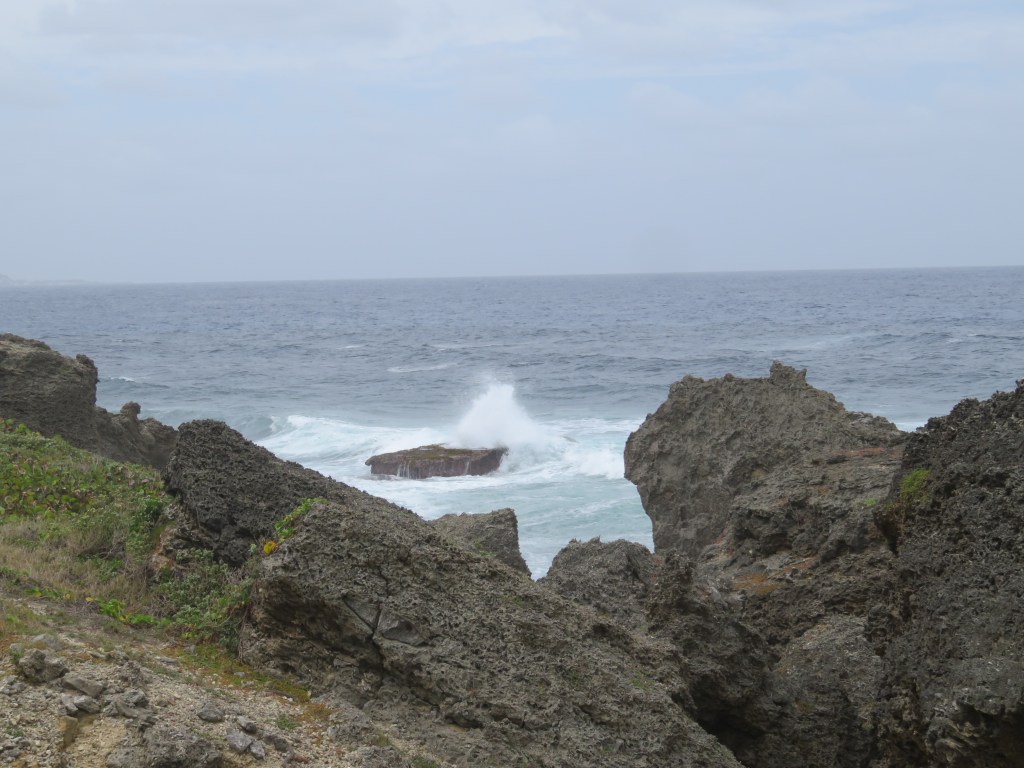
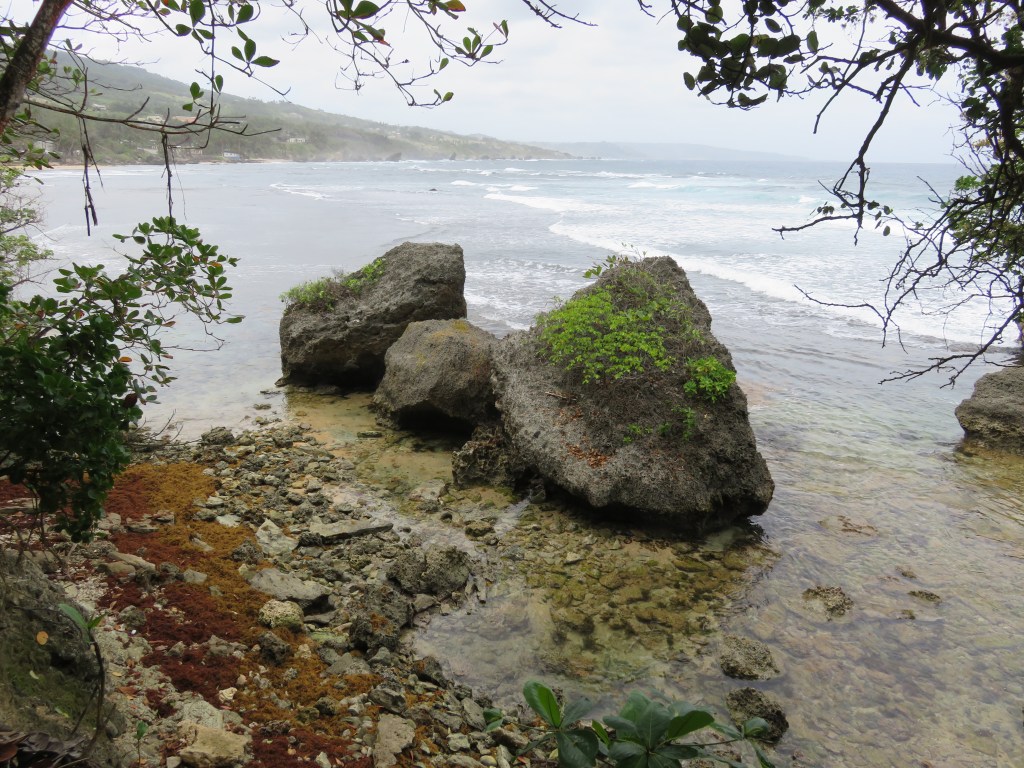
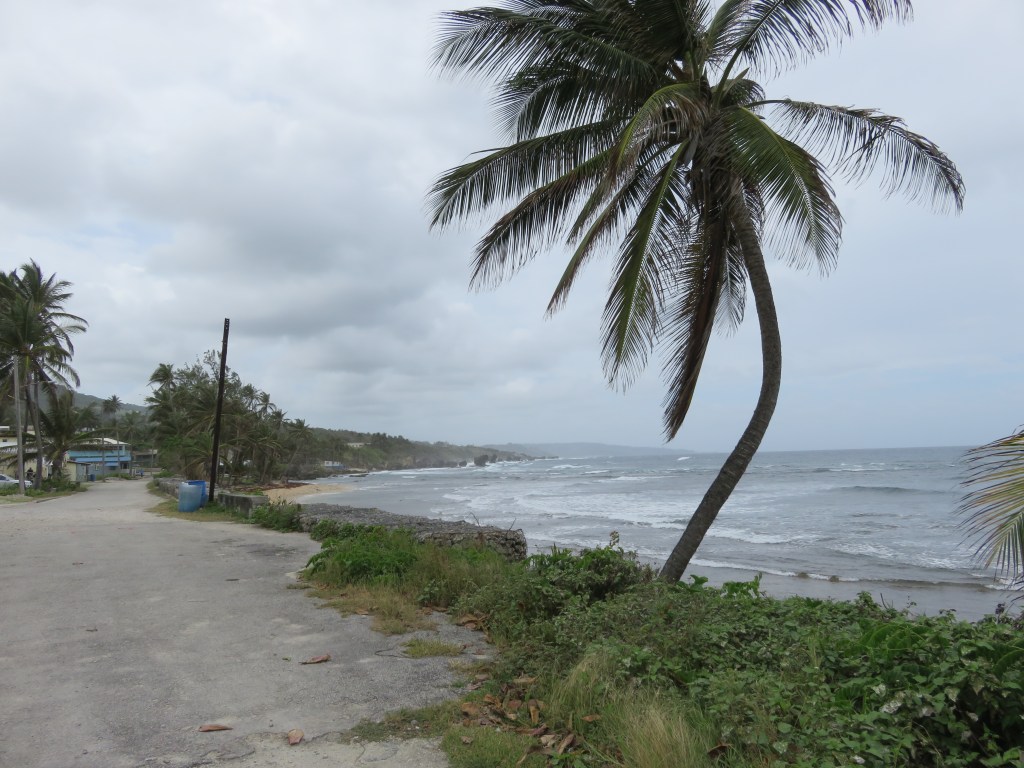
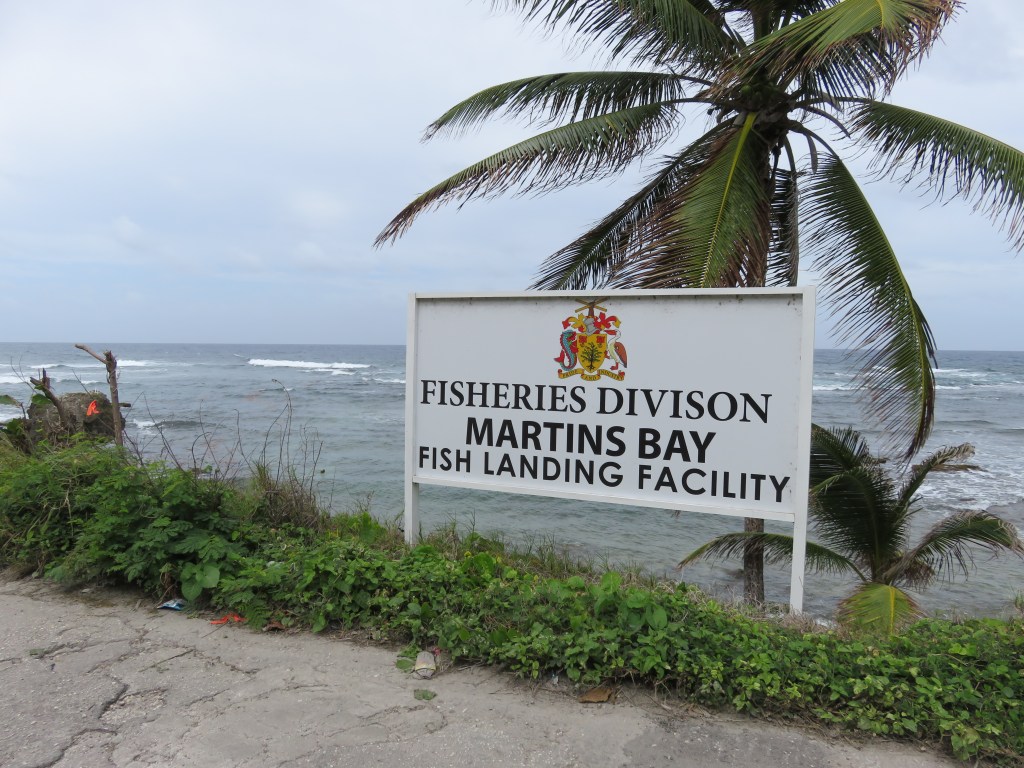
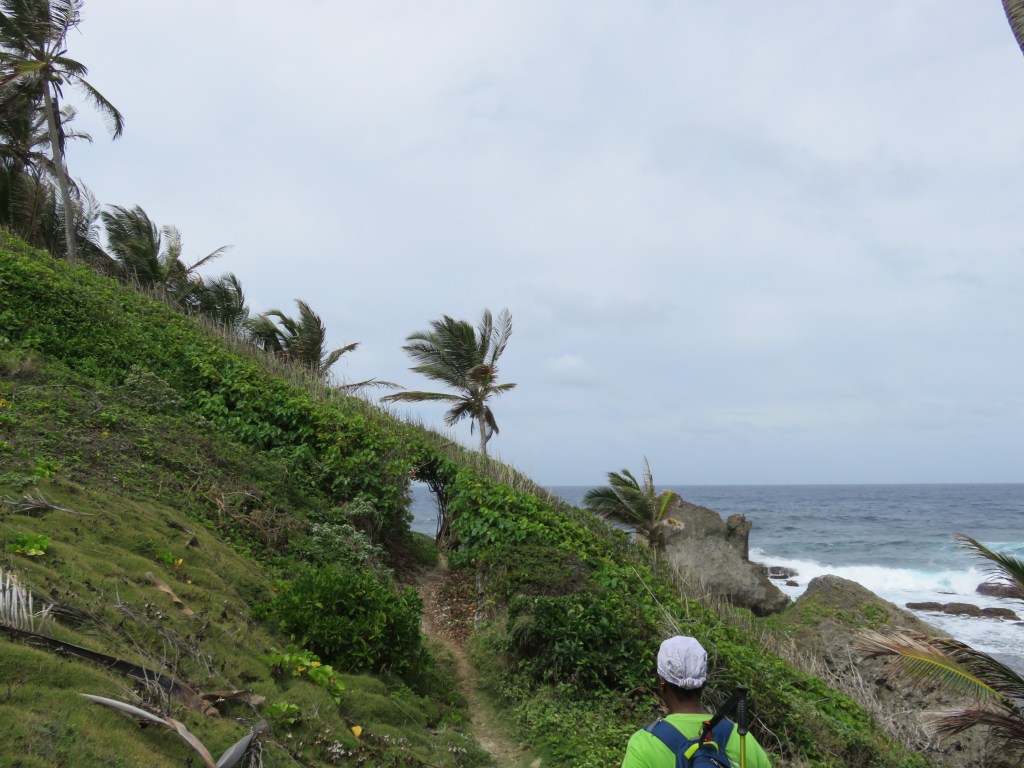
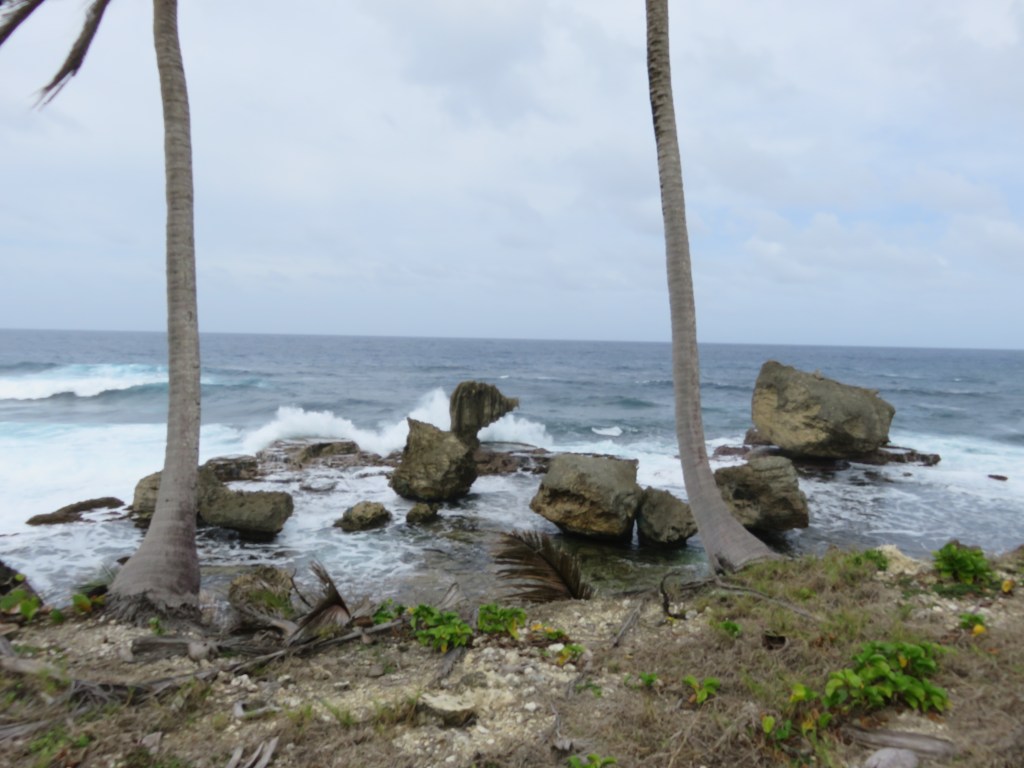
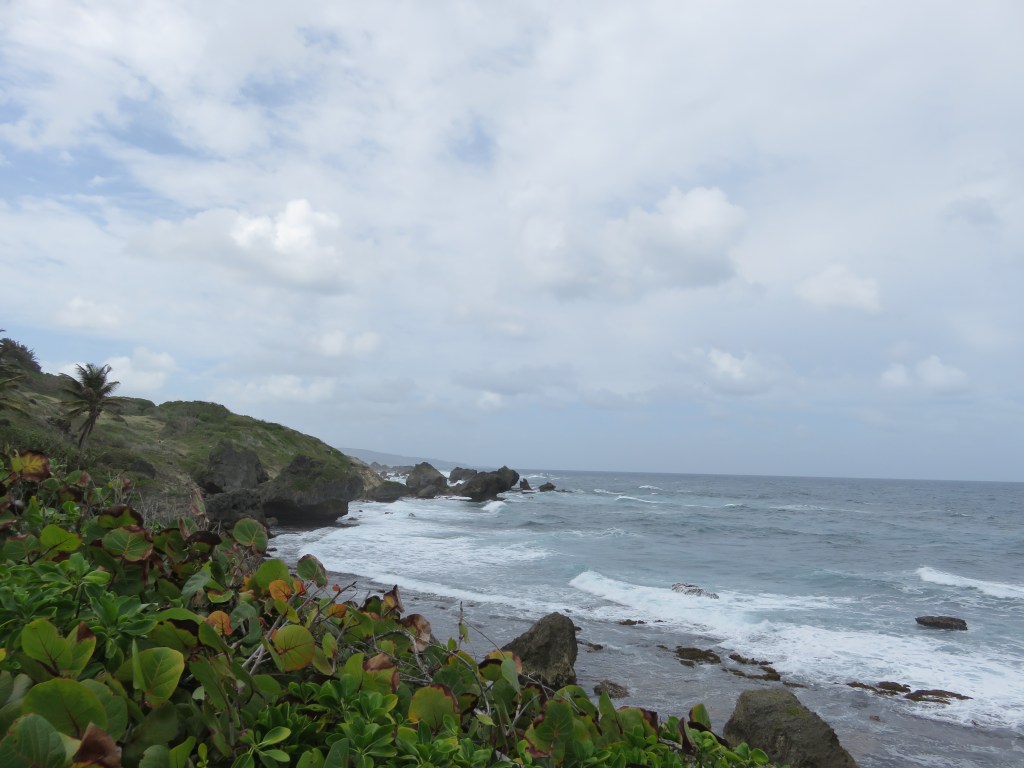
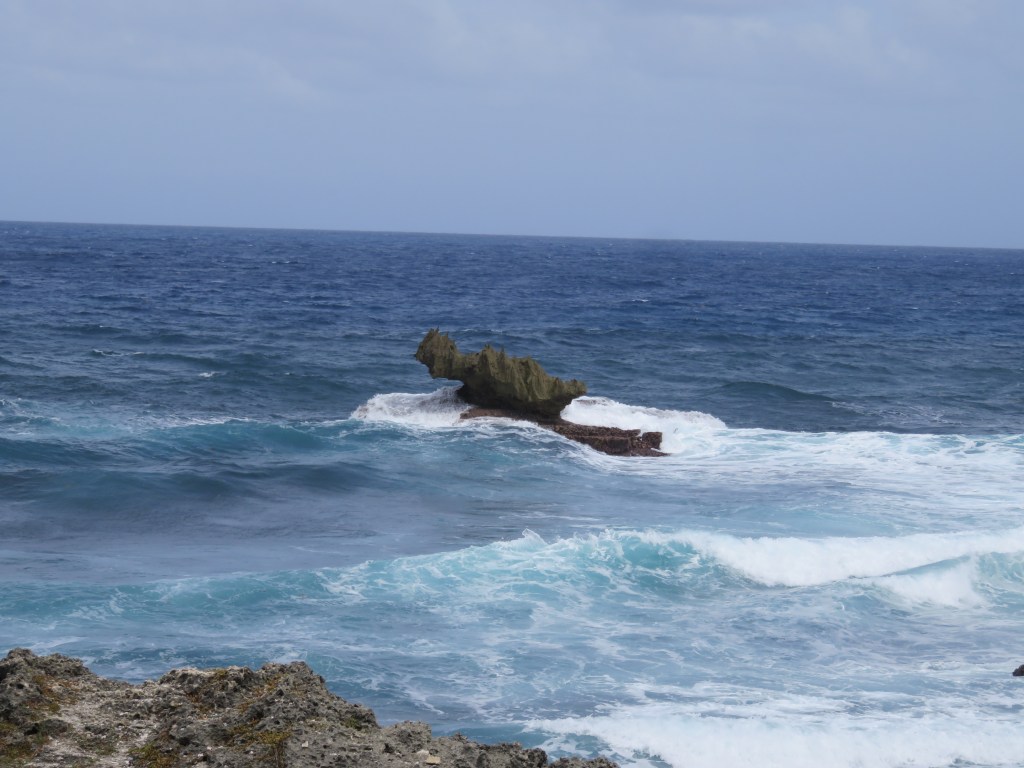
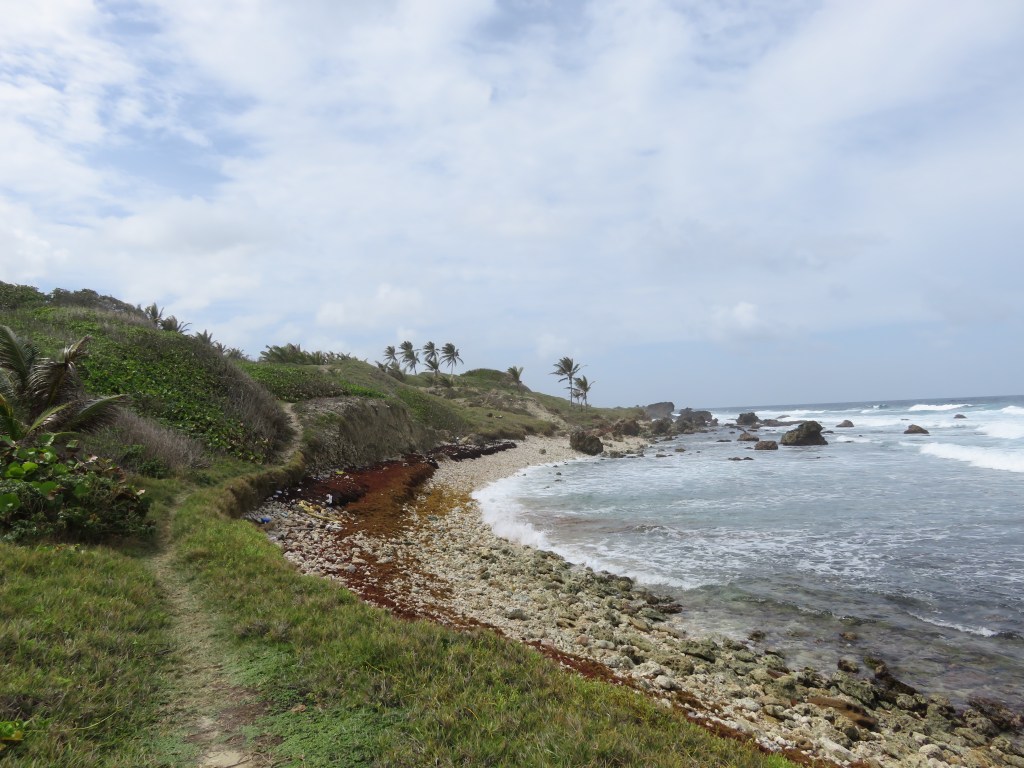
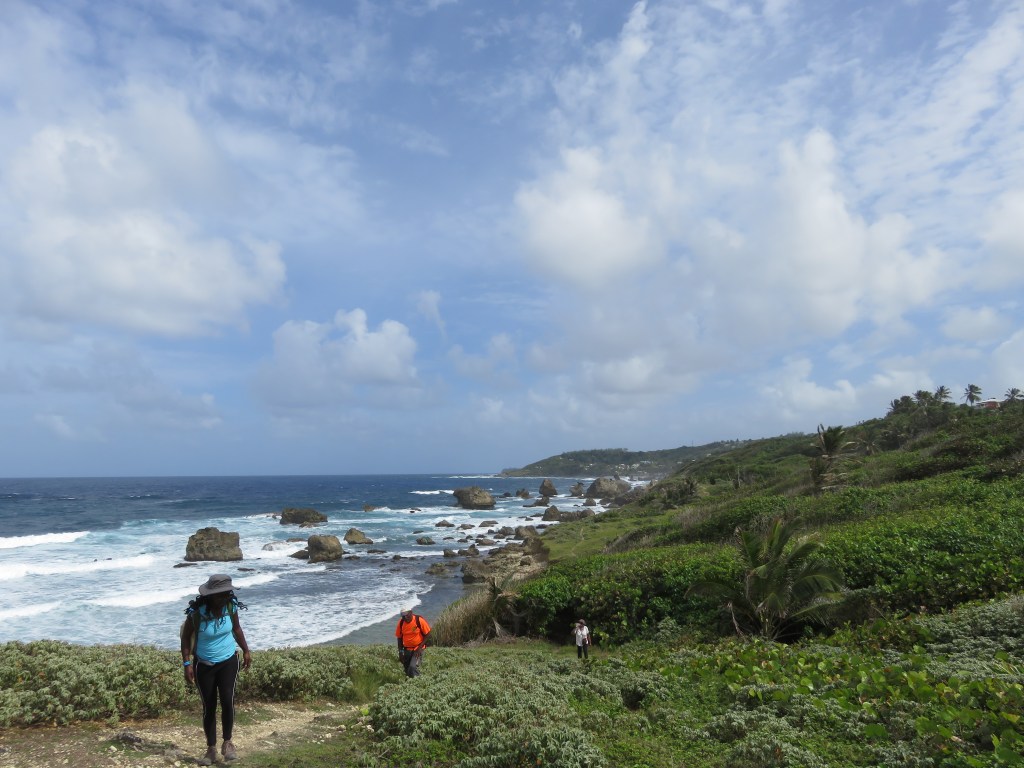
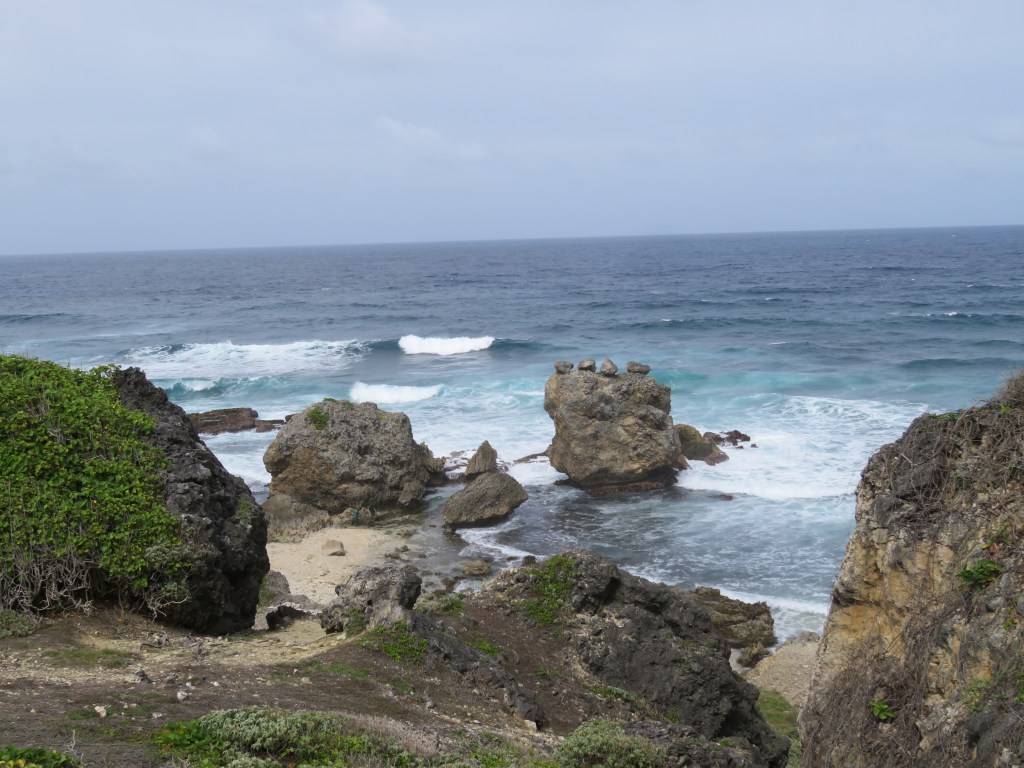
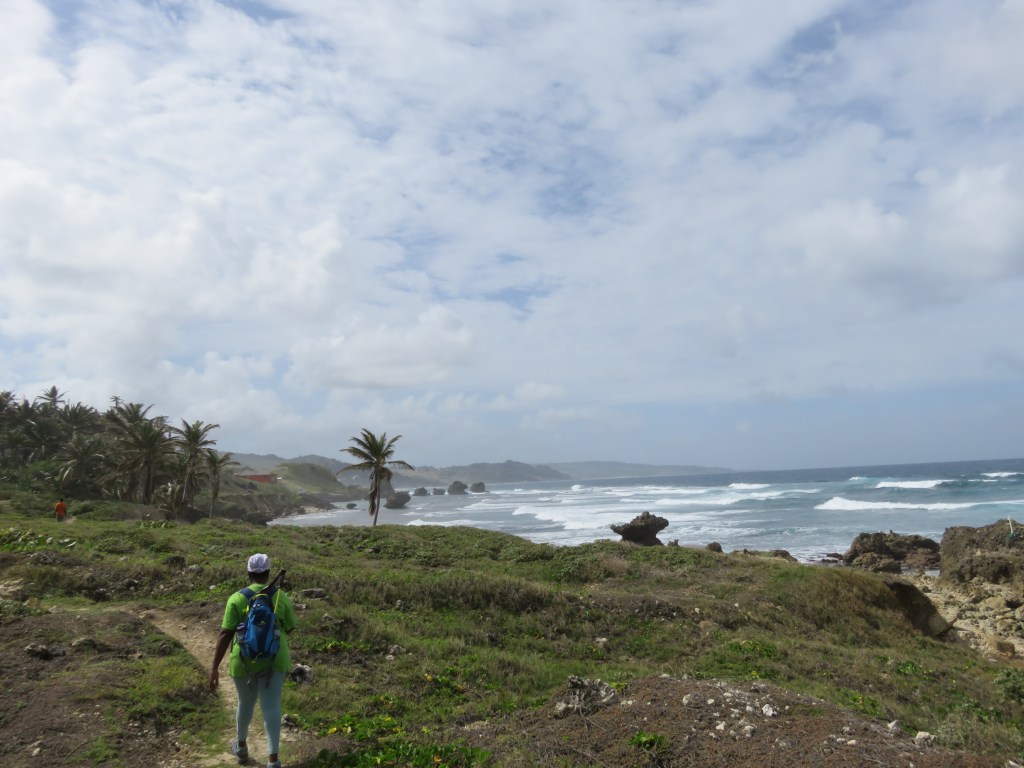
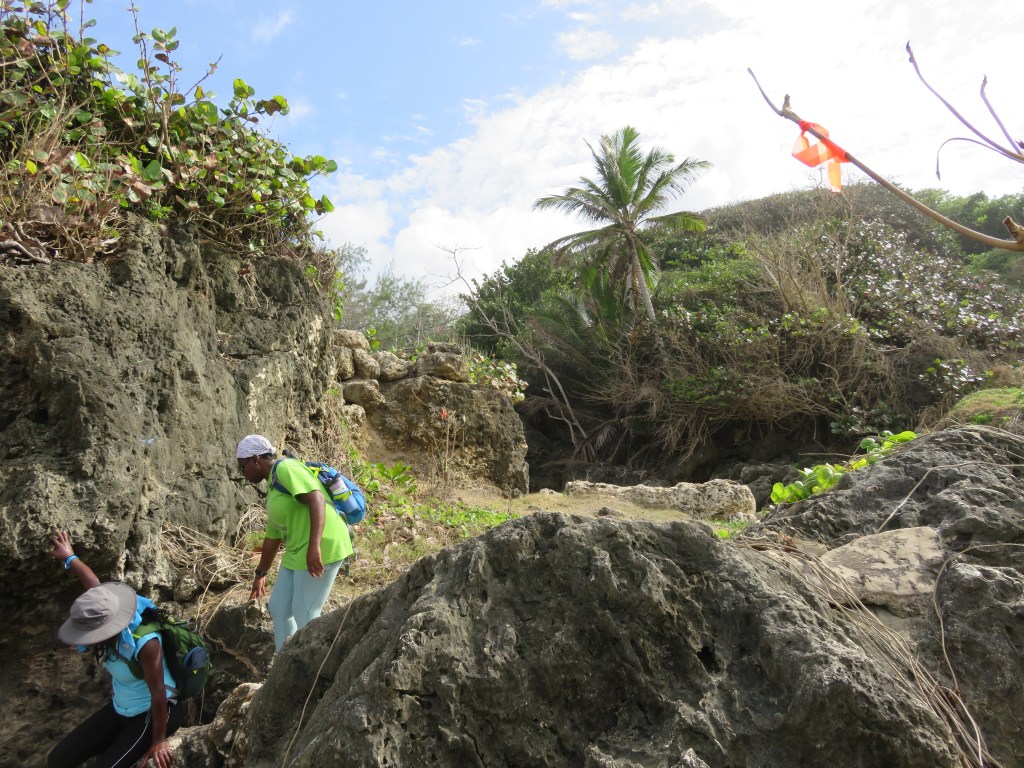
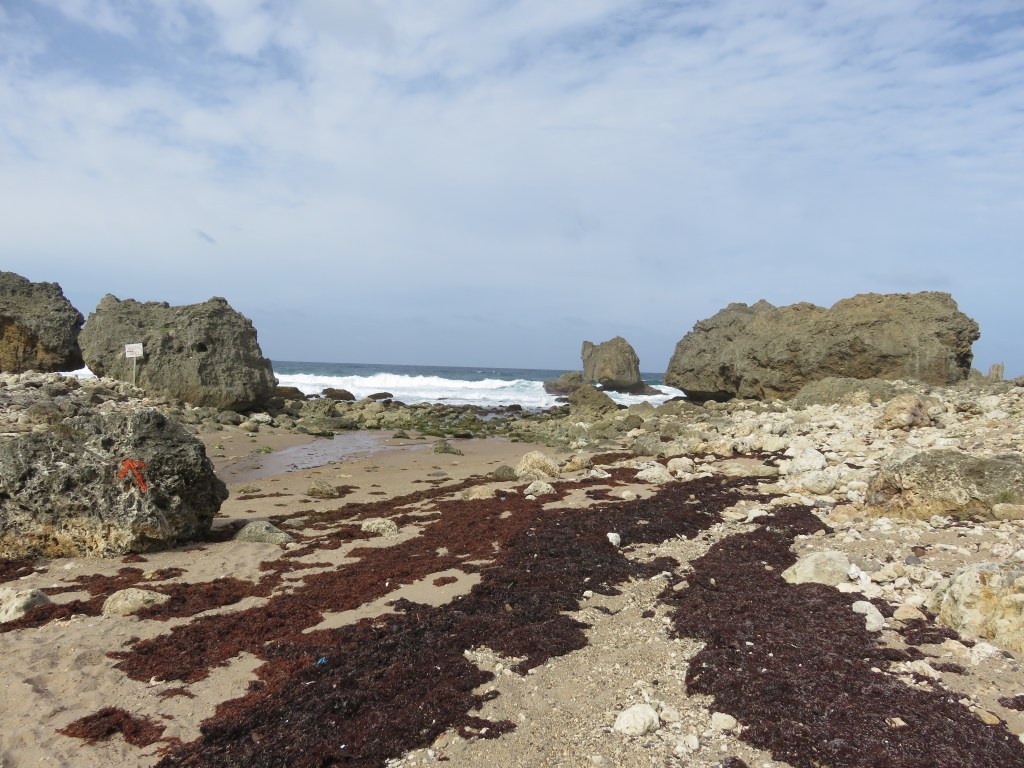
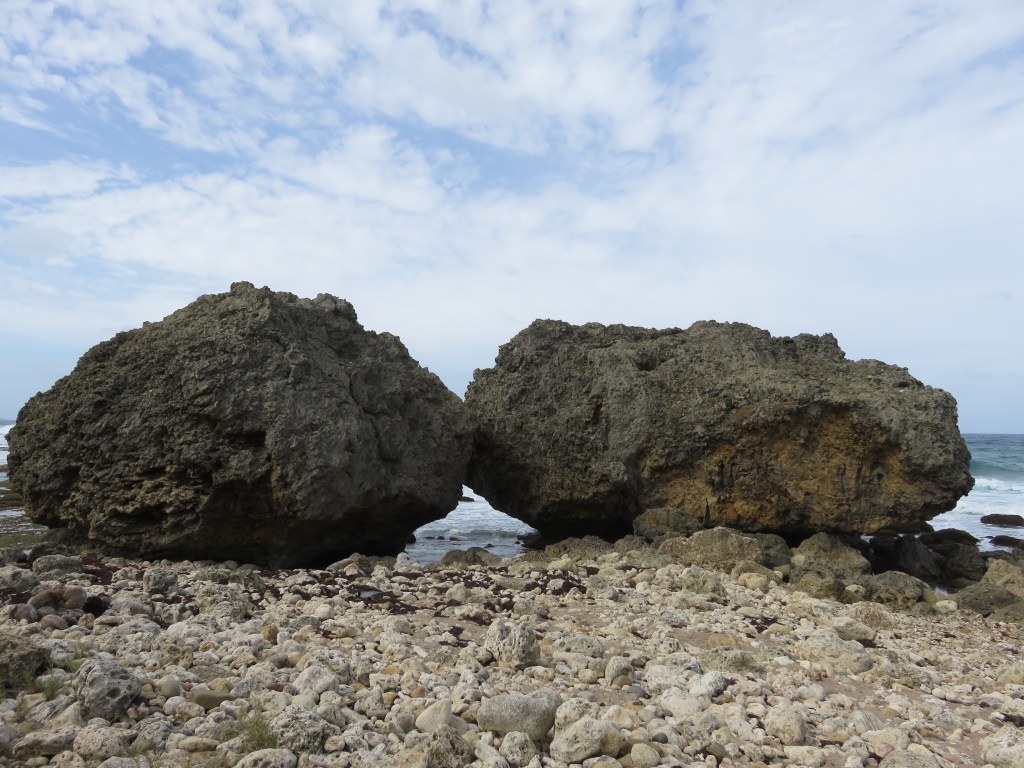
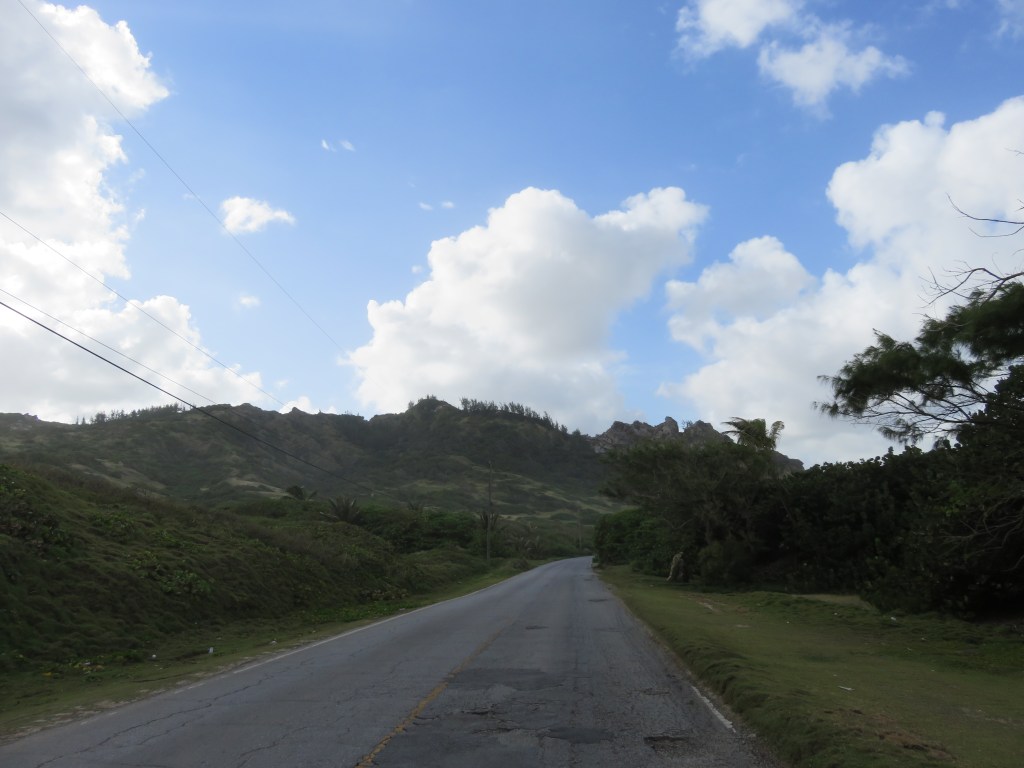
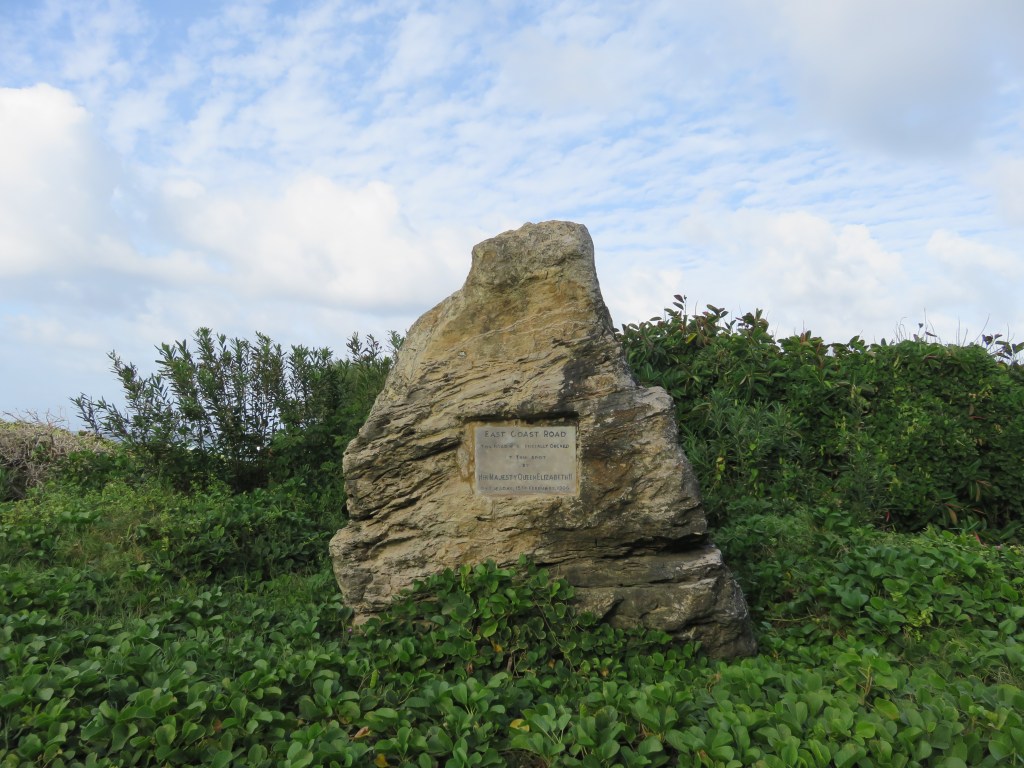
My cousin Ras also hopped on the Train for the last third of the hike. As I said earlier, finishing the hike is more about mental stamina than physical stamina. Fortunately, about half of the hike provided amazing views of Barbados’ rugged east coast and hearing the sea doing its thing for 12-15 miles was a balm to my soul.

Bridgetown to Belleplaine and Places in Between

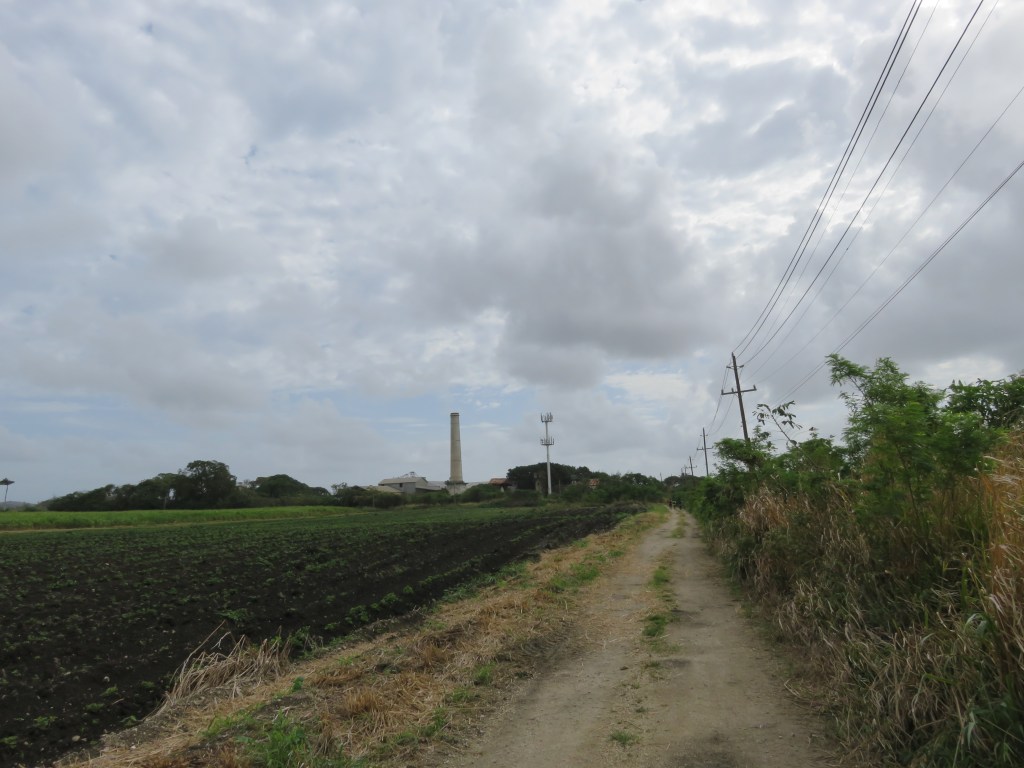
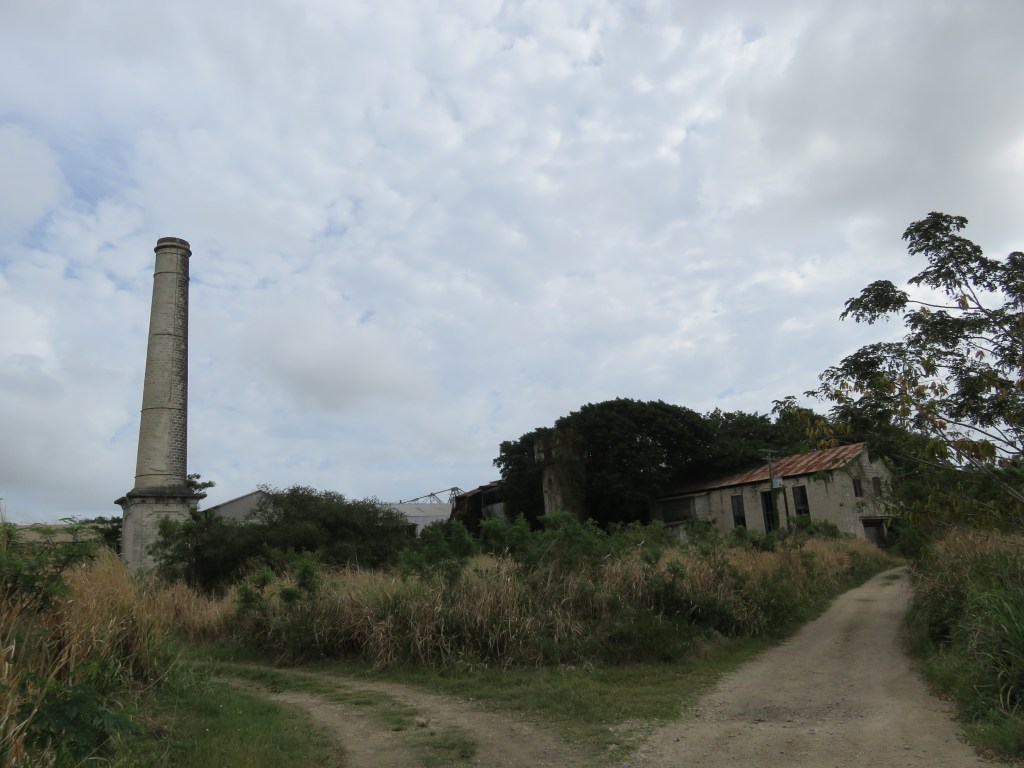
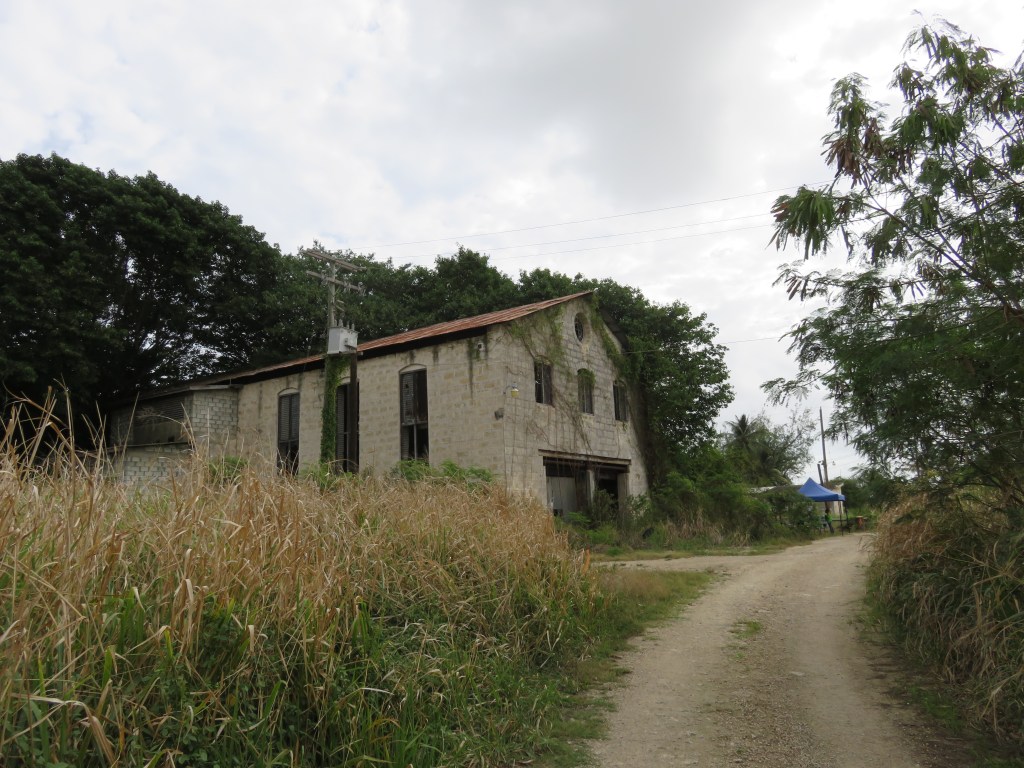
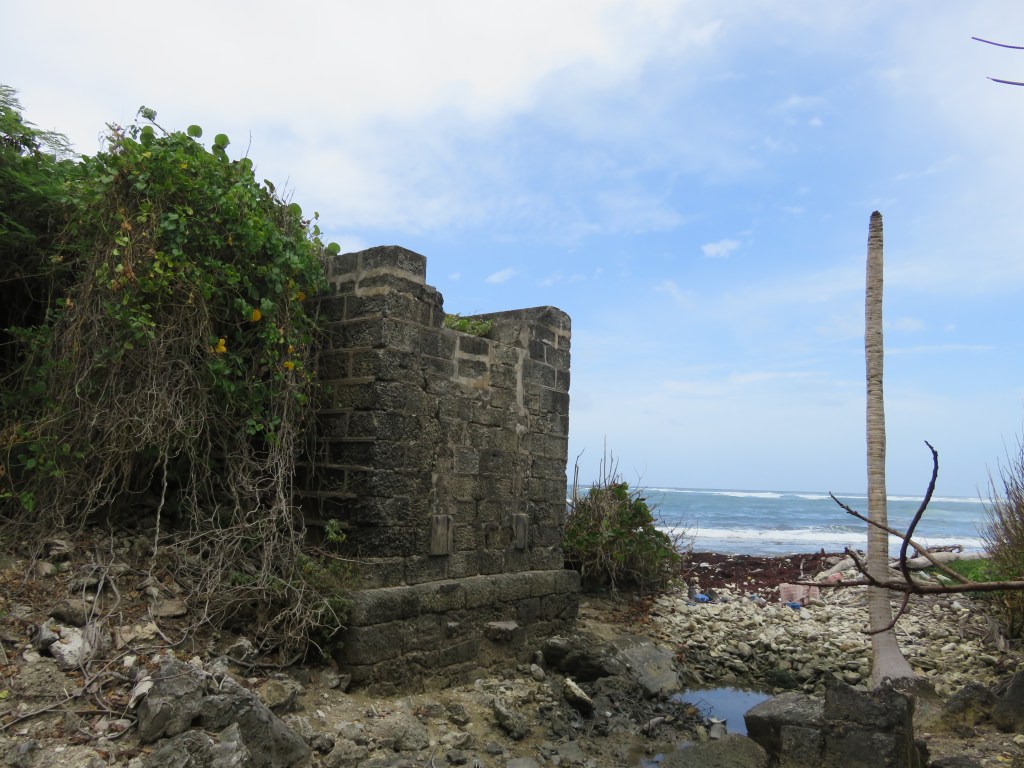
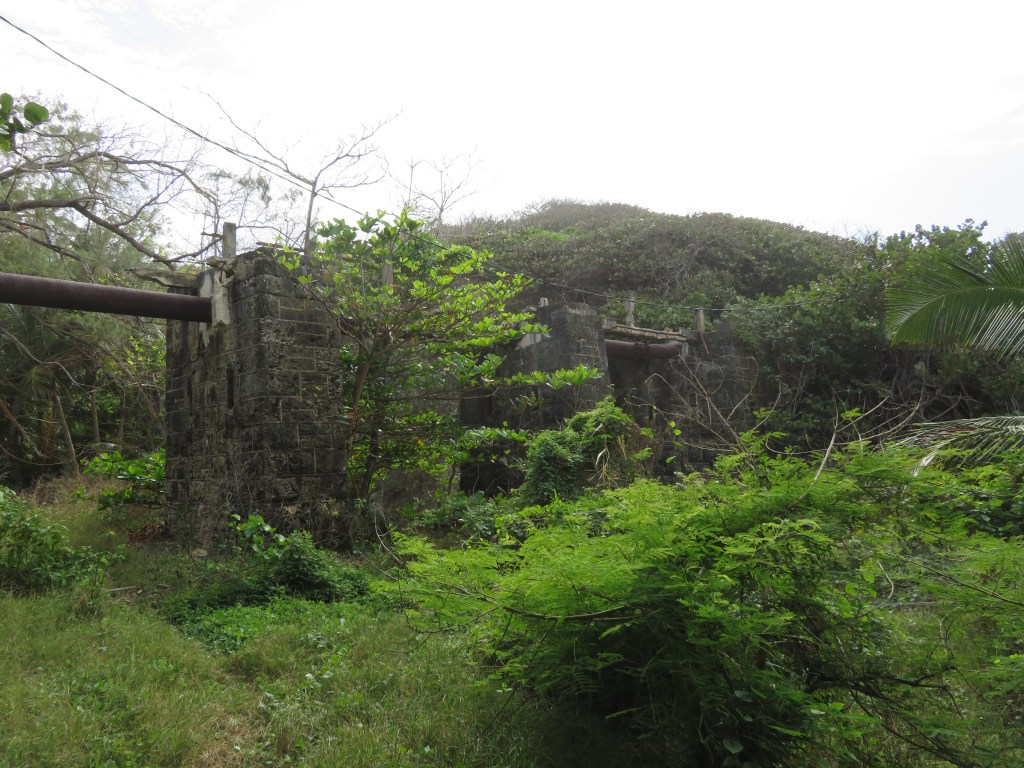
After several starts and stops, construction of Barbados’ train line began in June 1877 and the Bridgetown to Carrington section of the line officially opened in October 1881. It ran for a week before stopping to have more work completed. The first run on the entire line from Bridgetown to Belleplaine was in August 1883. The train transported people, sugar, molasses and other goods. Despite some periods of success, the railway seemed to be plagued by problems which included corrosion of the track along the east coast (no surprise), derailments, poor maintenance, and lack of funds. The original company closed in 1904 and a new one took over in 1905. However, this too suffered the same problems. The Government of Barbados took over the railway in 1916, but problems persisted. Passenger service ended in 1934 because of safety concerns and the railway ceased operating altogether in October 1937. Much of the railway was subsequently dismantled (Murphy, 1988; Pilkington, 2007).

Colin used to say that there were sections of railway that the train could not climb with a full load (perhaps Consett incline), so the first class passengers stayed on the train, the second class got out and walked, and the third class got out and pushed. Stoute (cited in Murphy, 1988) noted that in all his times travelling on the train there were never second class passengers.
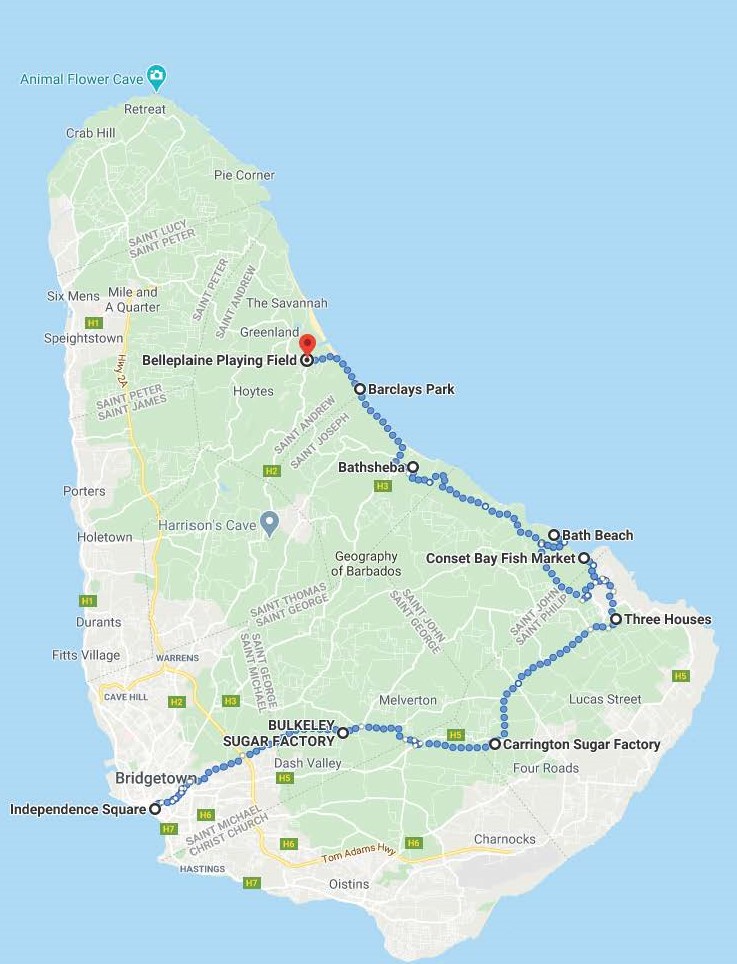
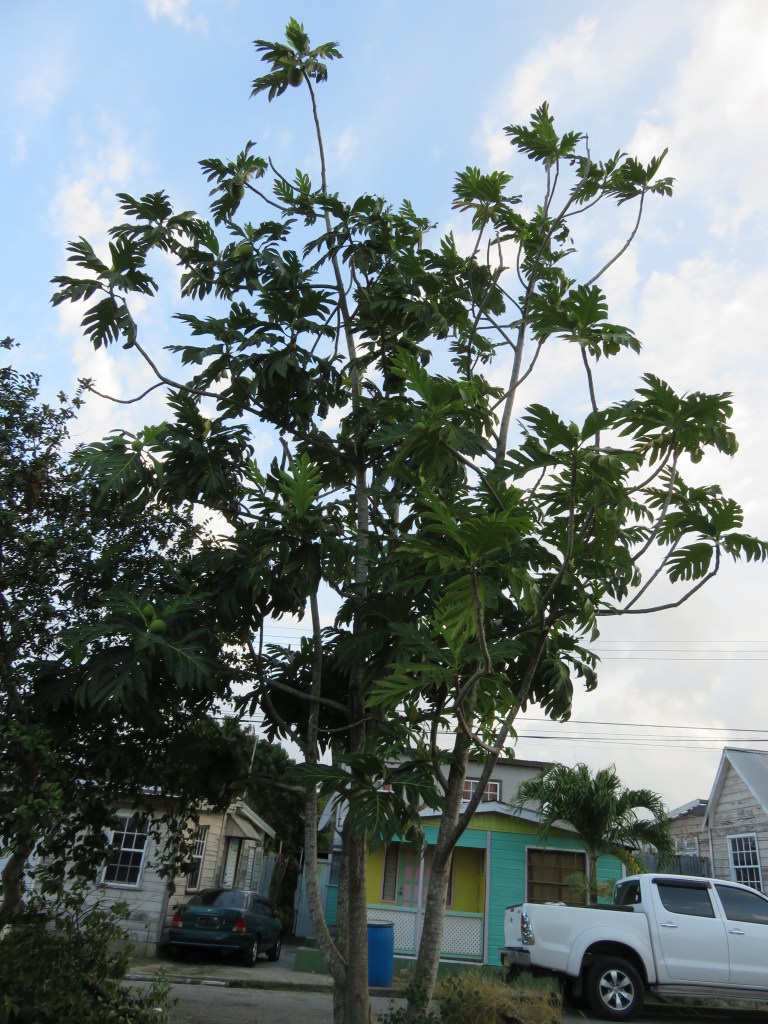
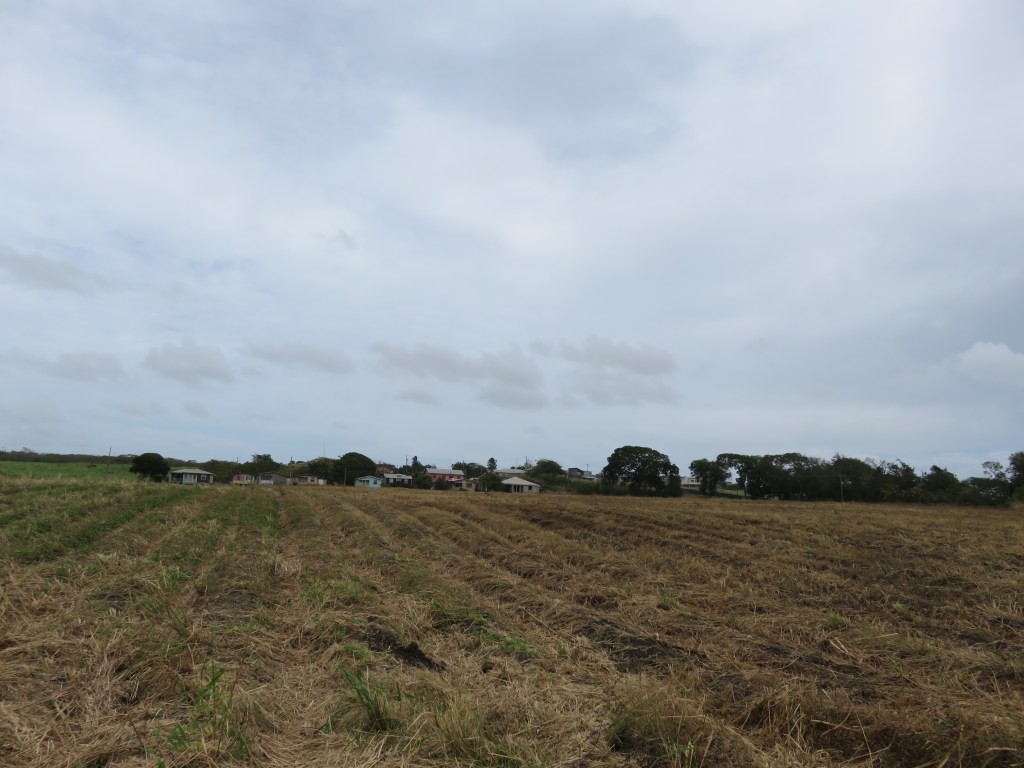
The Great Train Hike, like the train, passed through 6 of our 11 parishes: St. Michael, St. George, St. Philip, St. John, St. Joseph, St. Andrew.

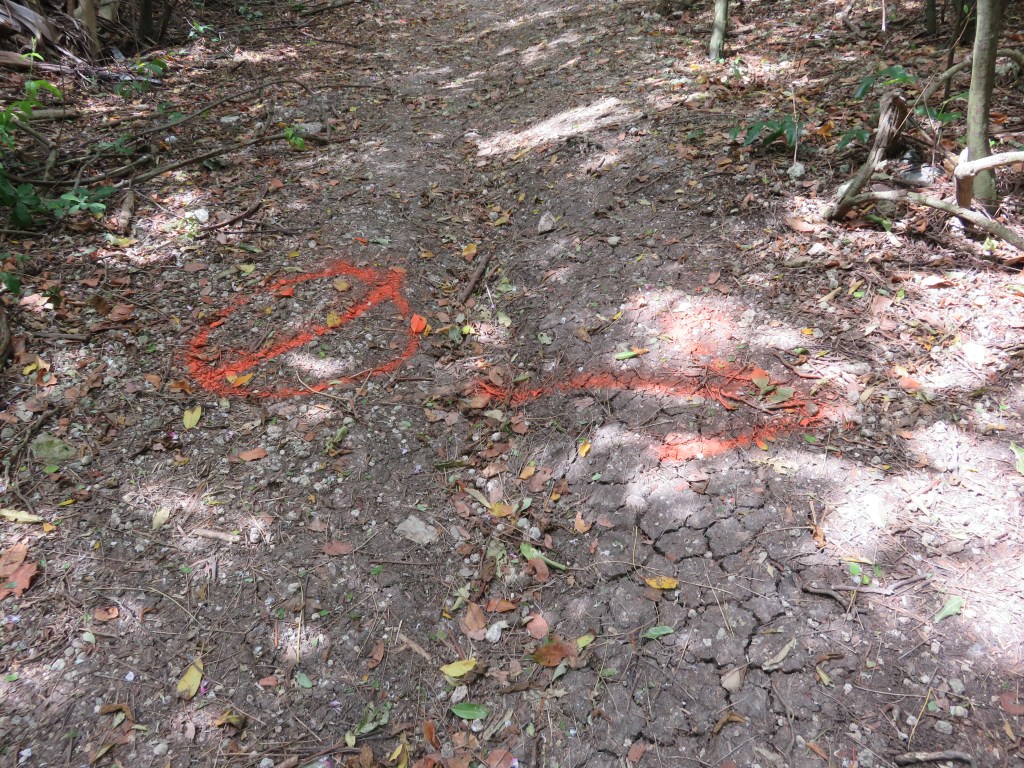
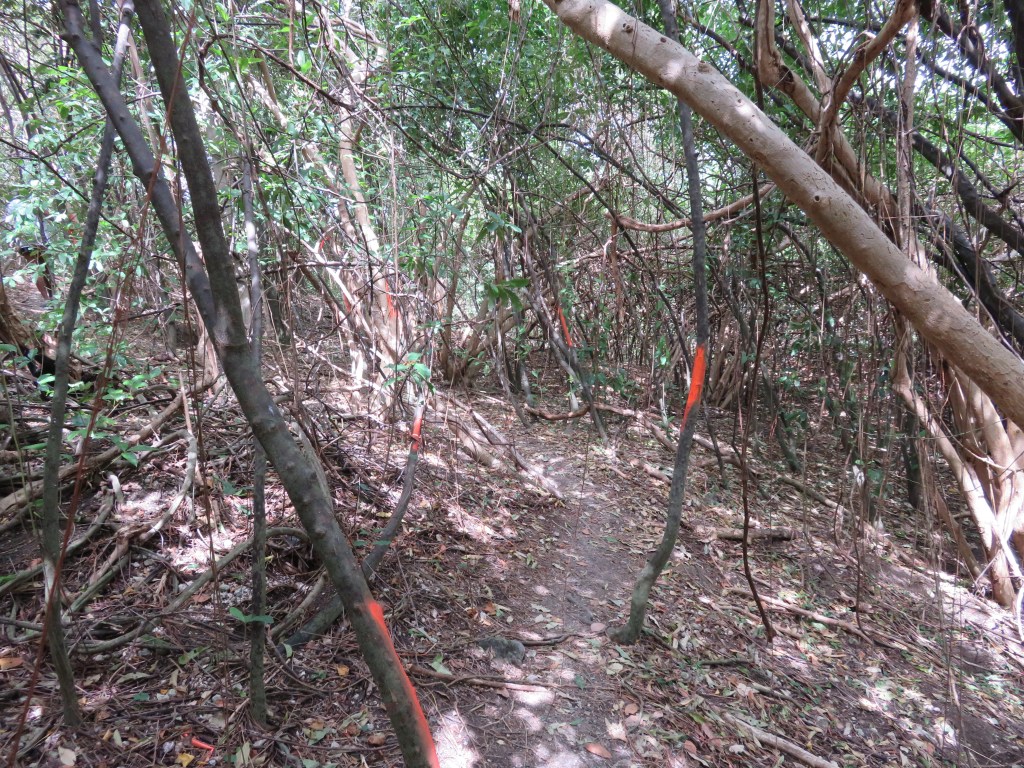
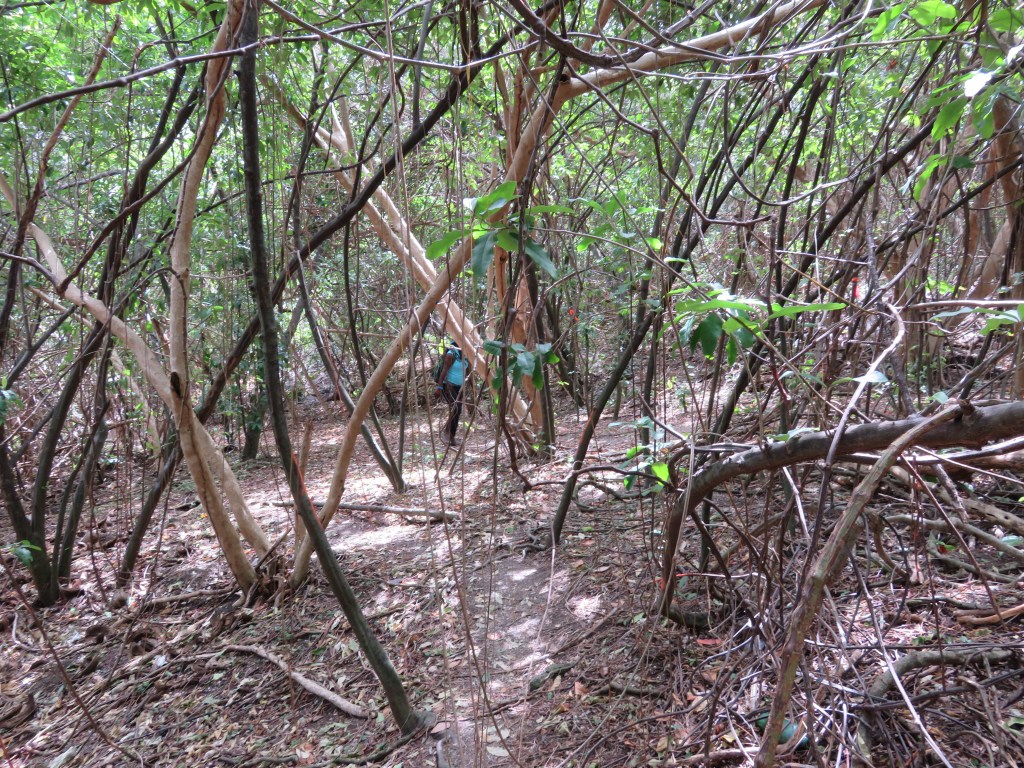
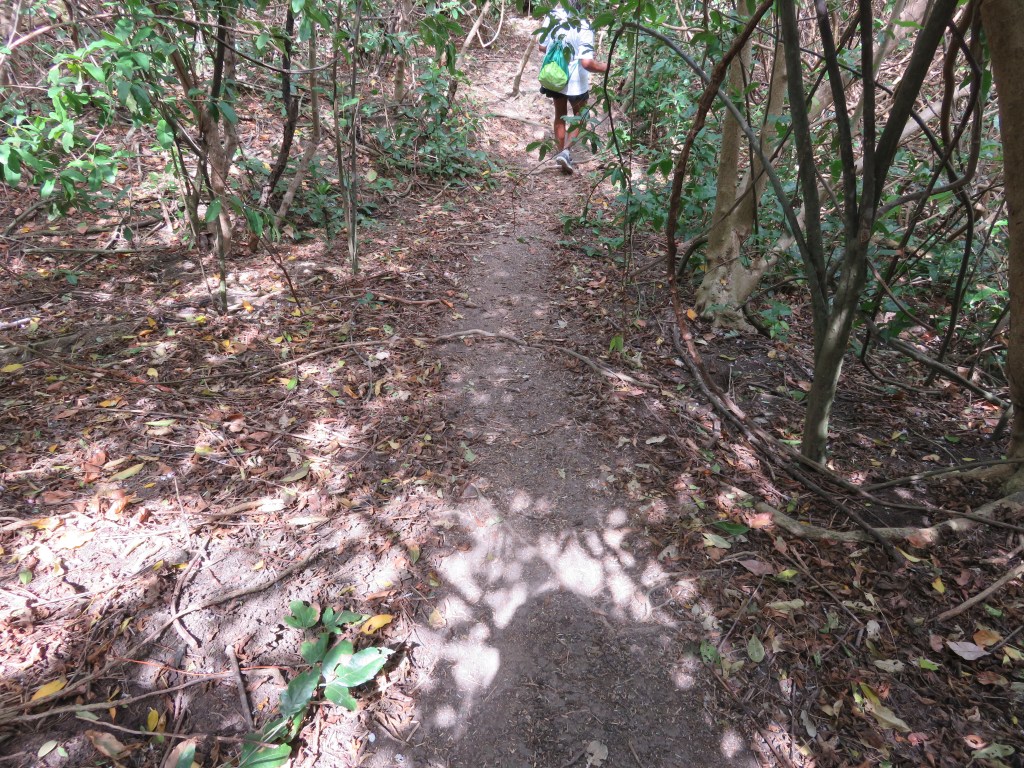
Disclaimer: I took over 400 photos during this marathon hike and I’ve tried really hard to whittle them down 🙂

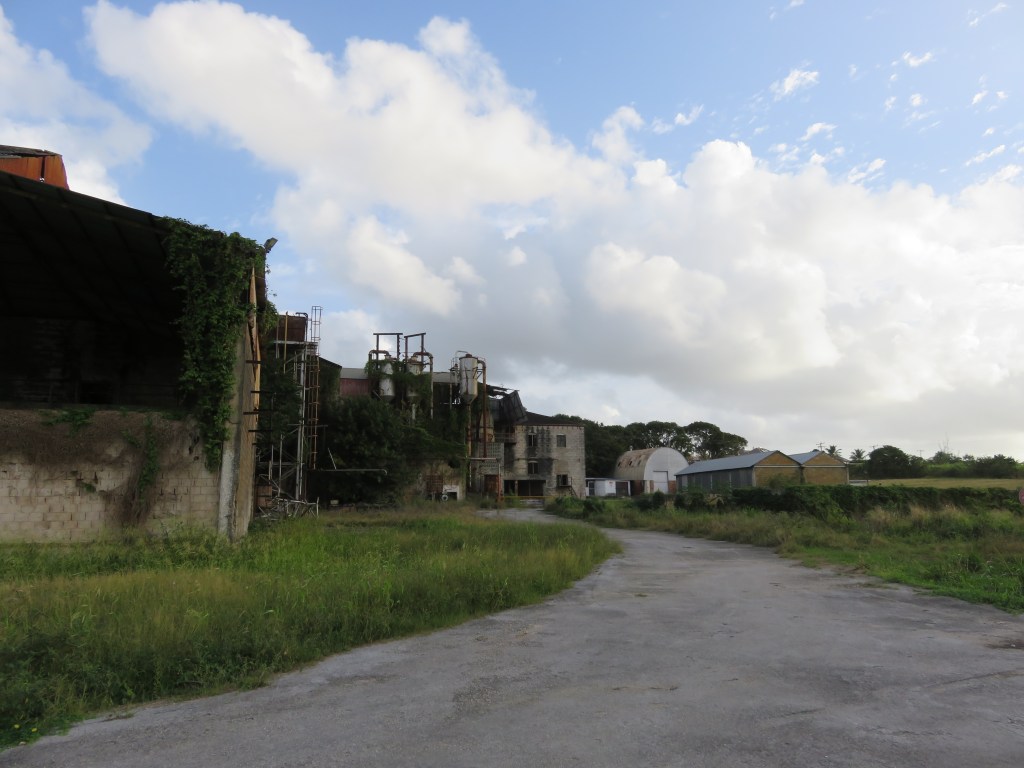
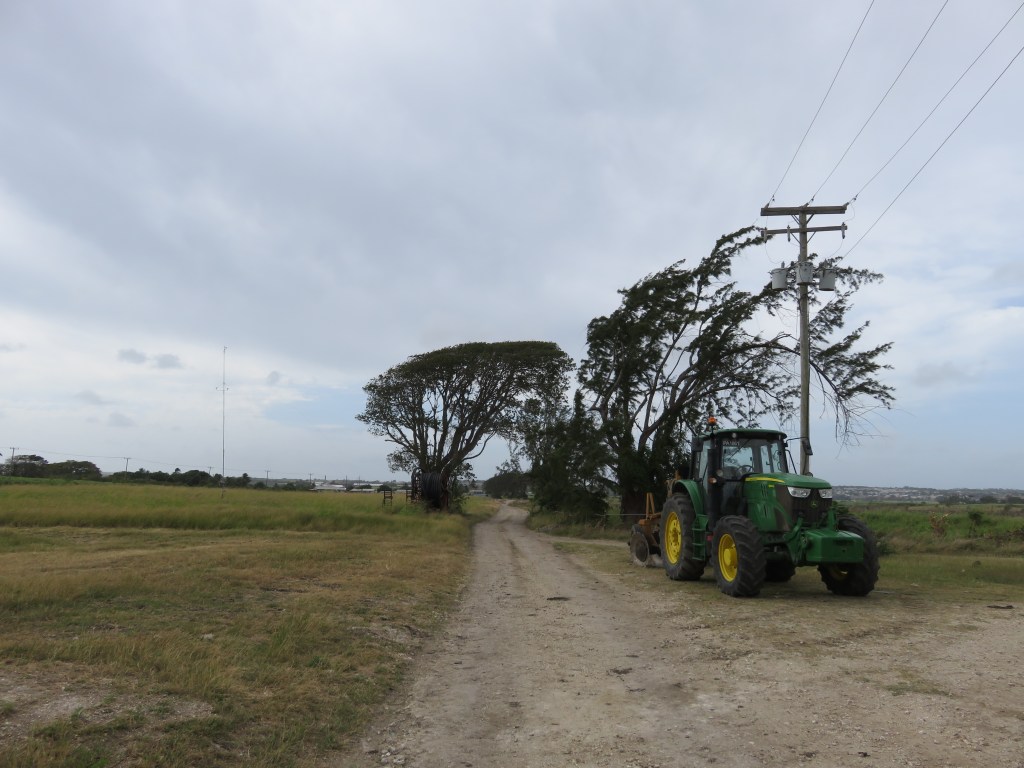
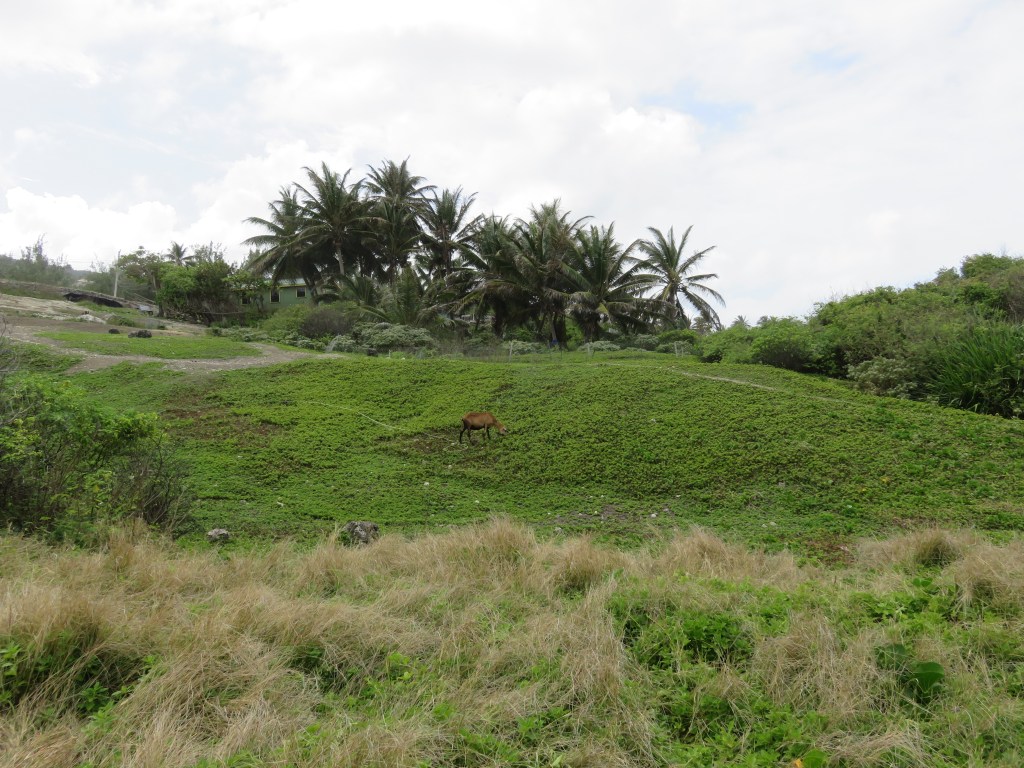
Bridgetown, St. Michael to Bulkeley Sugar Factory, St. George
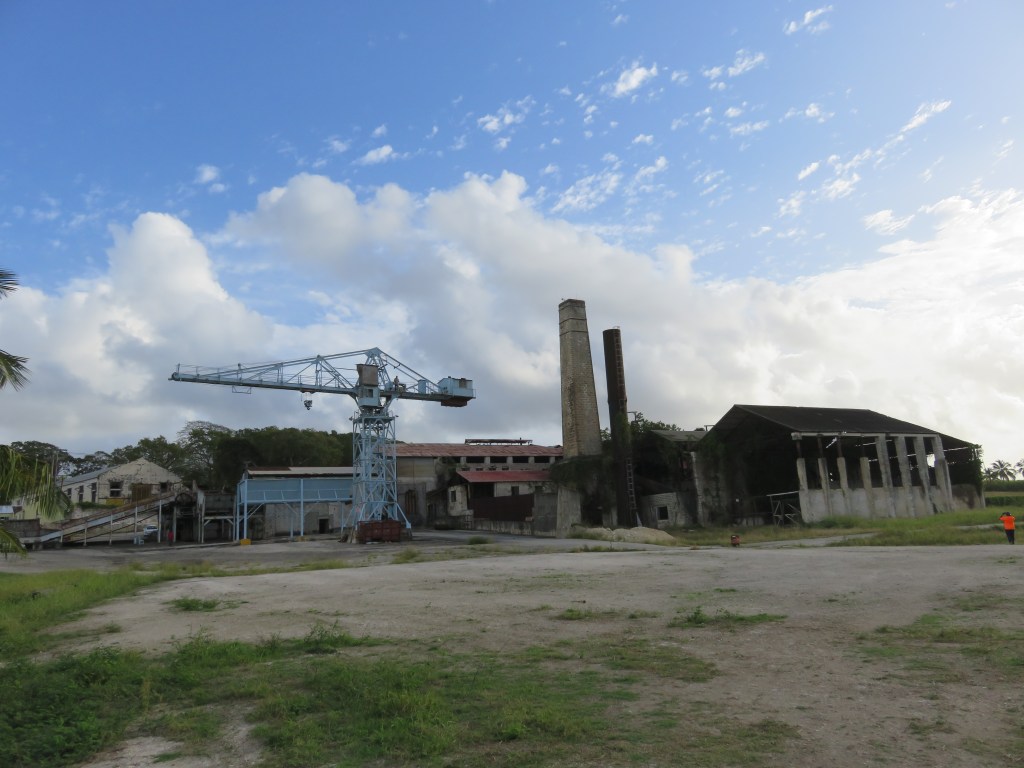
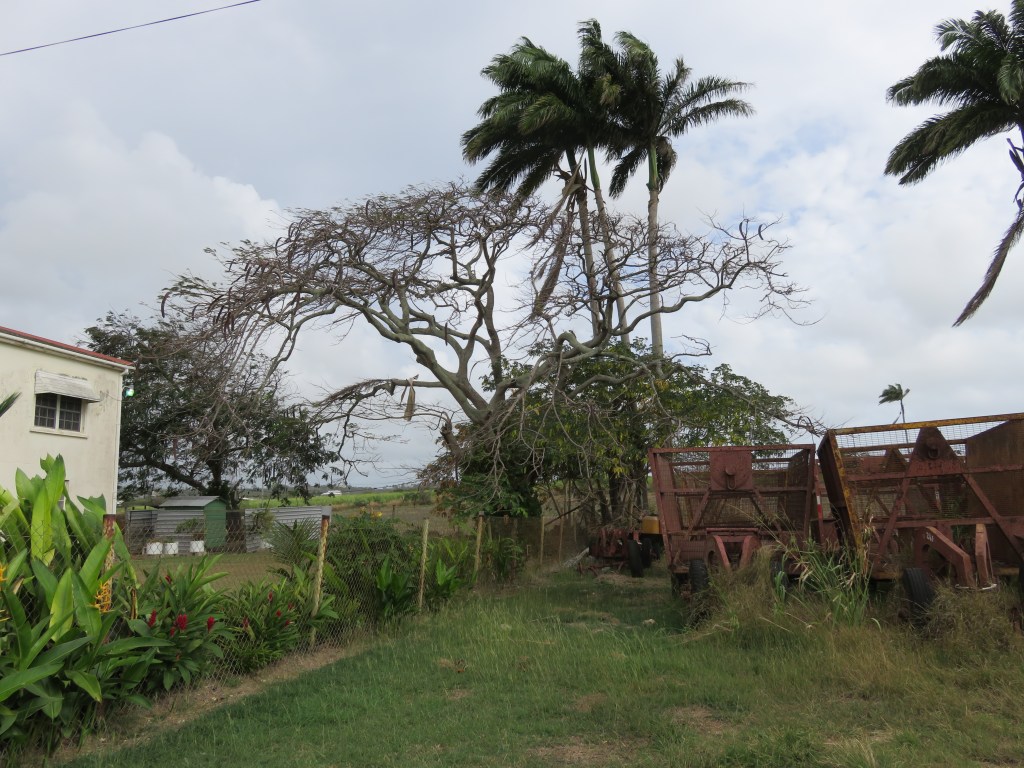
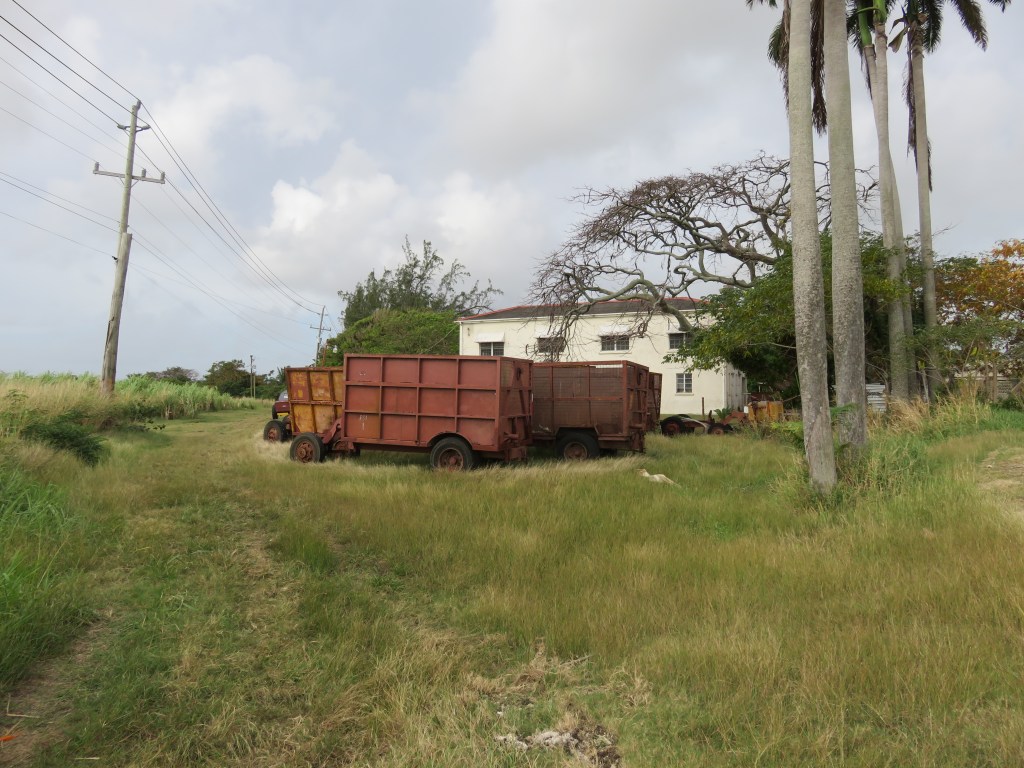
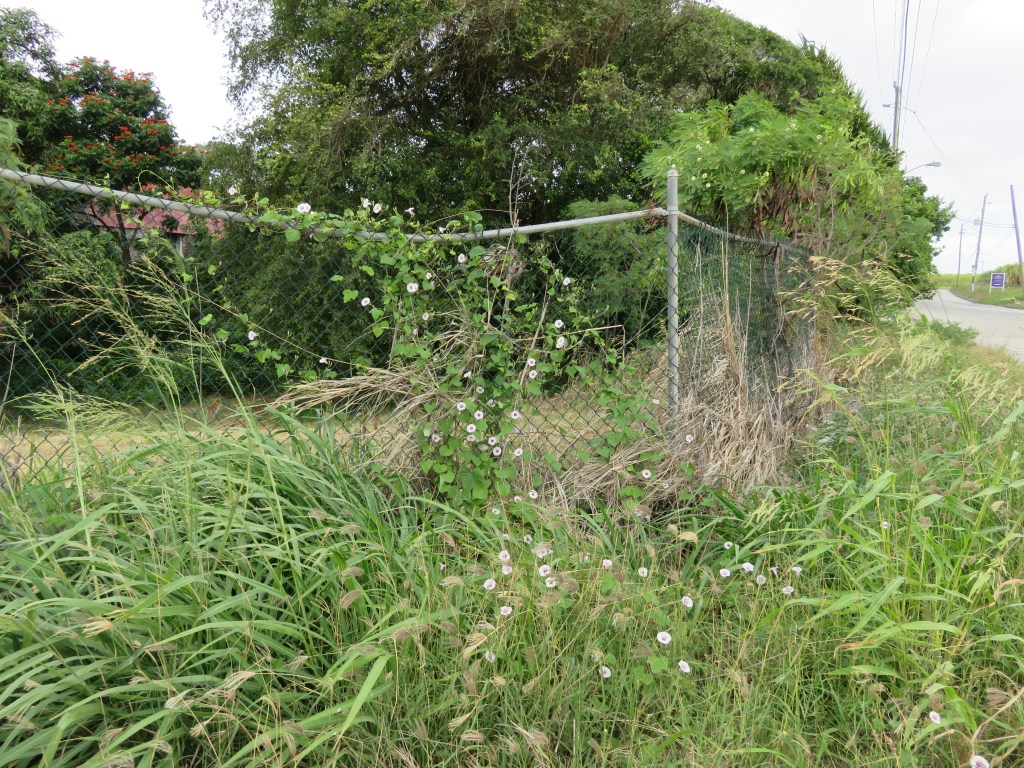
Bulkeley to Three Houses, St. Philip
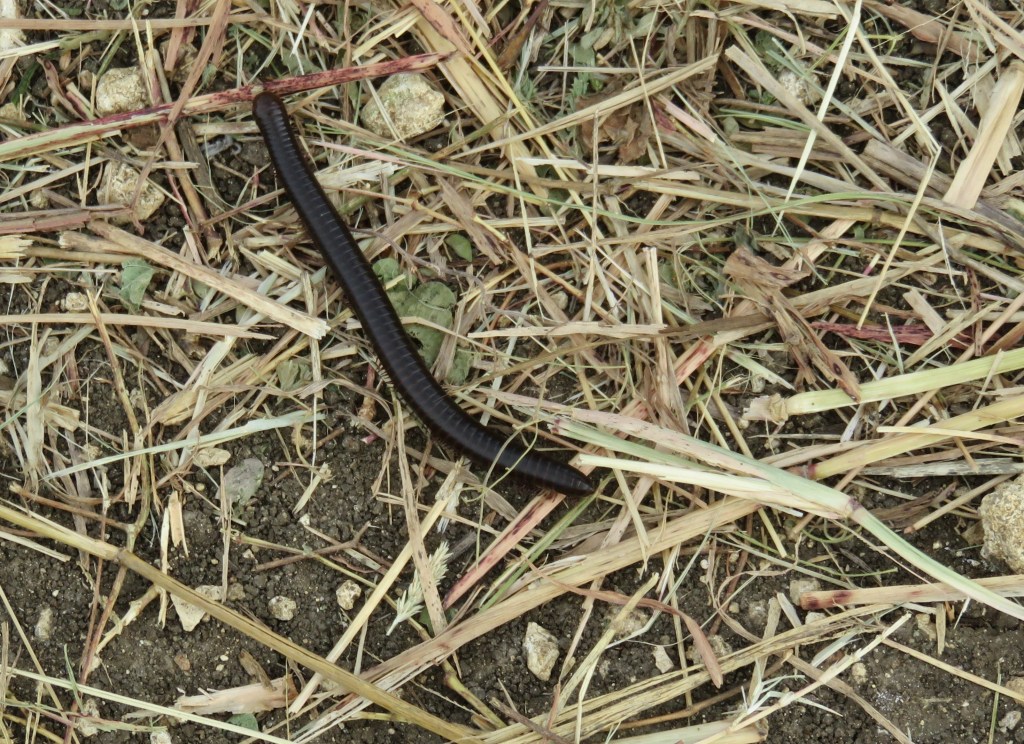
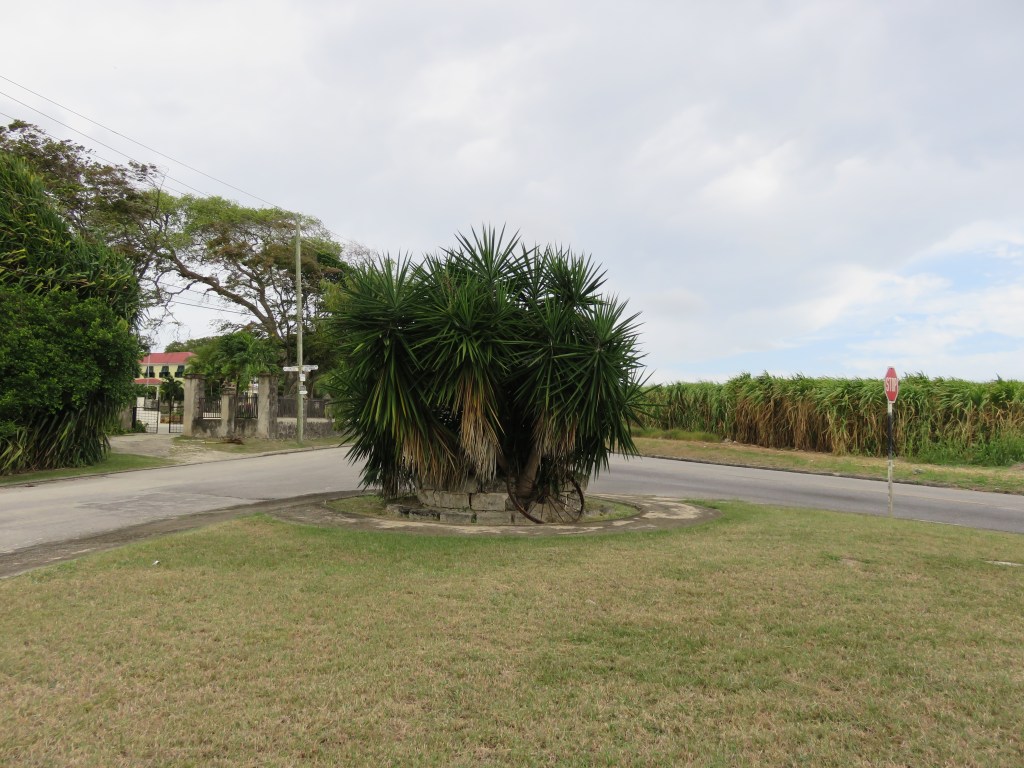
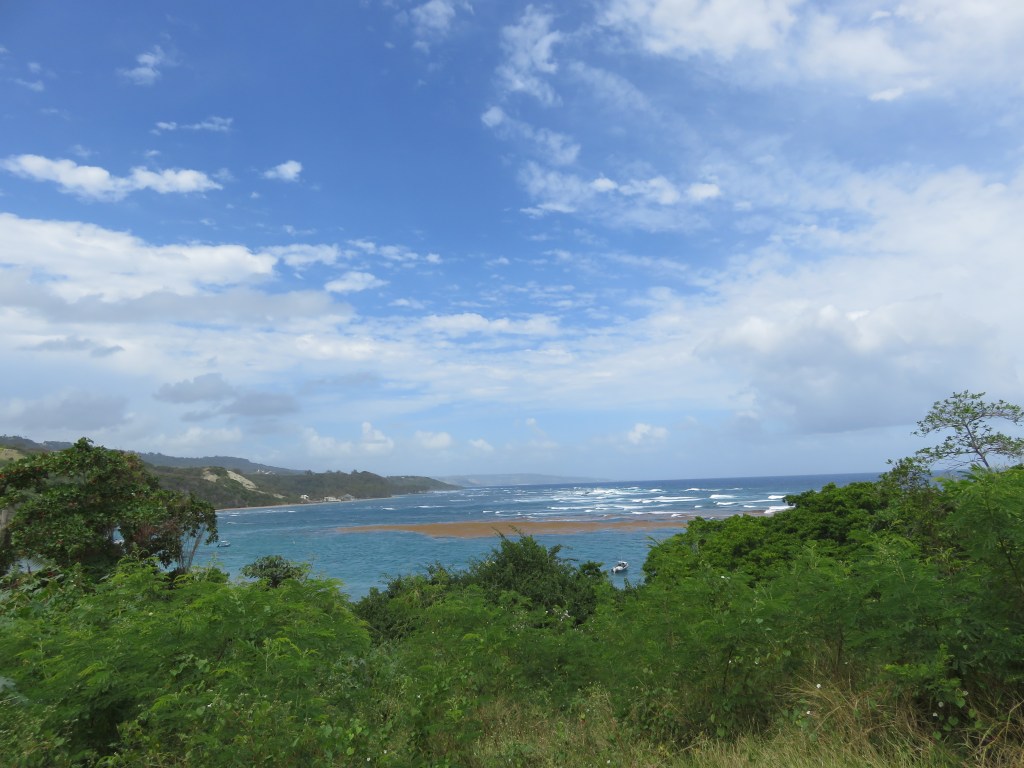
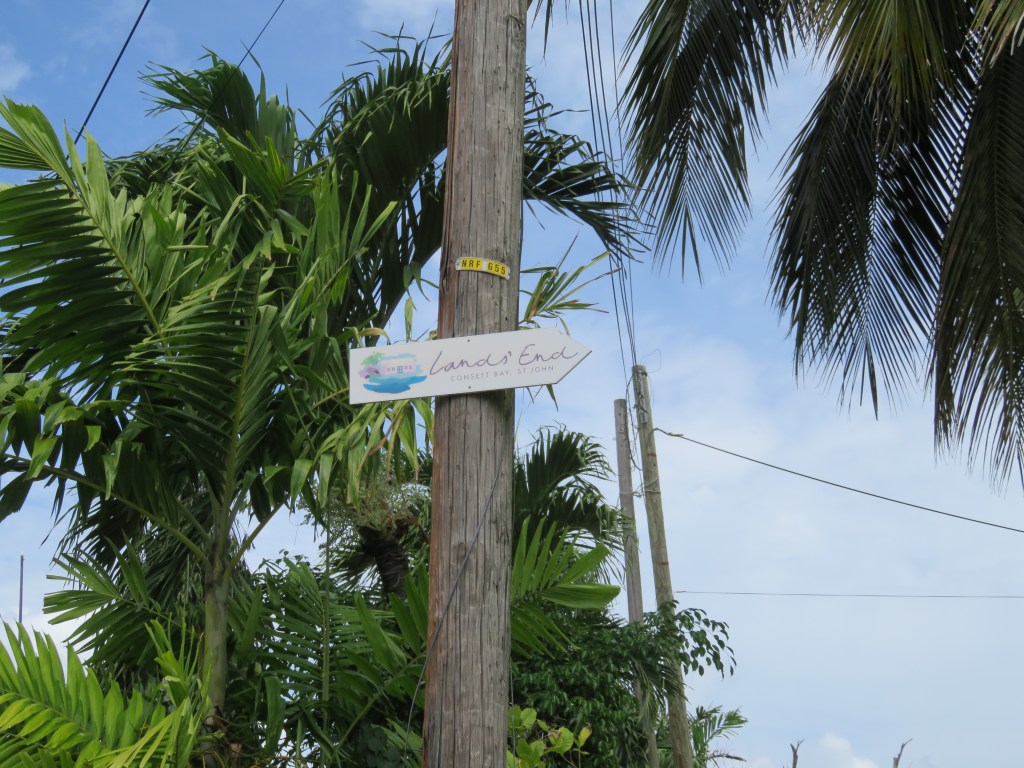
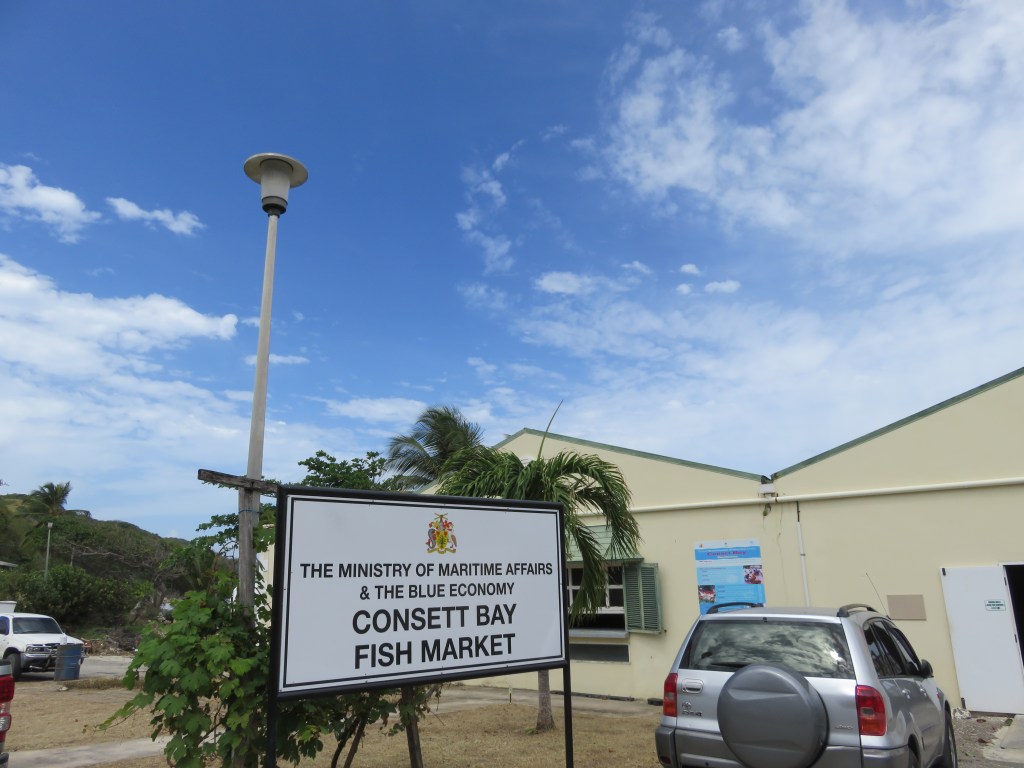
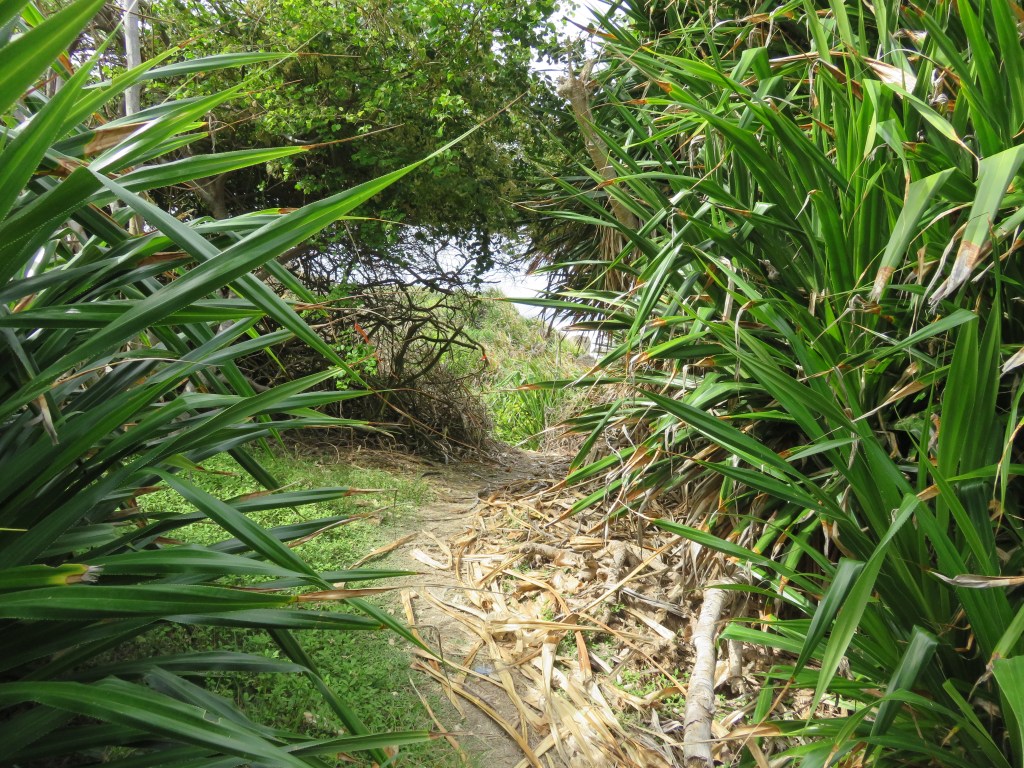
Three Houses to Bath Beach, St. John via Consett Bay
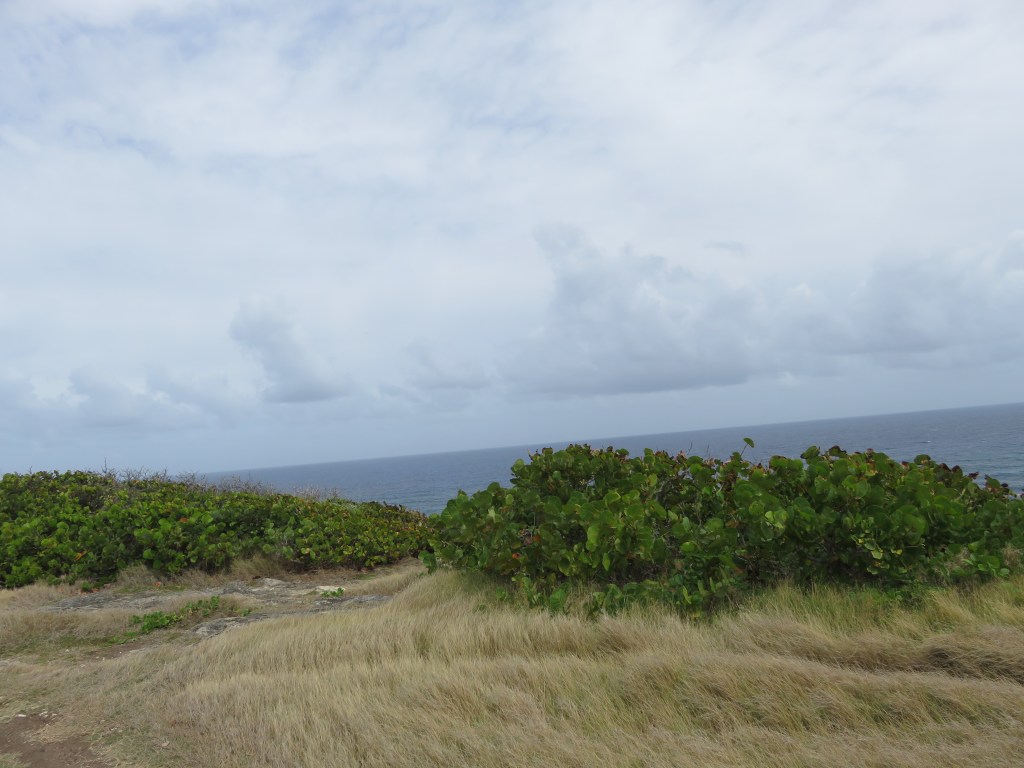
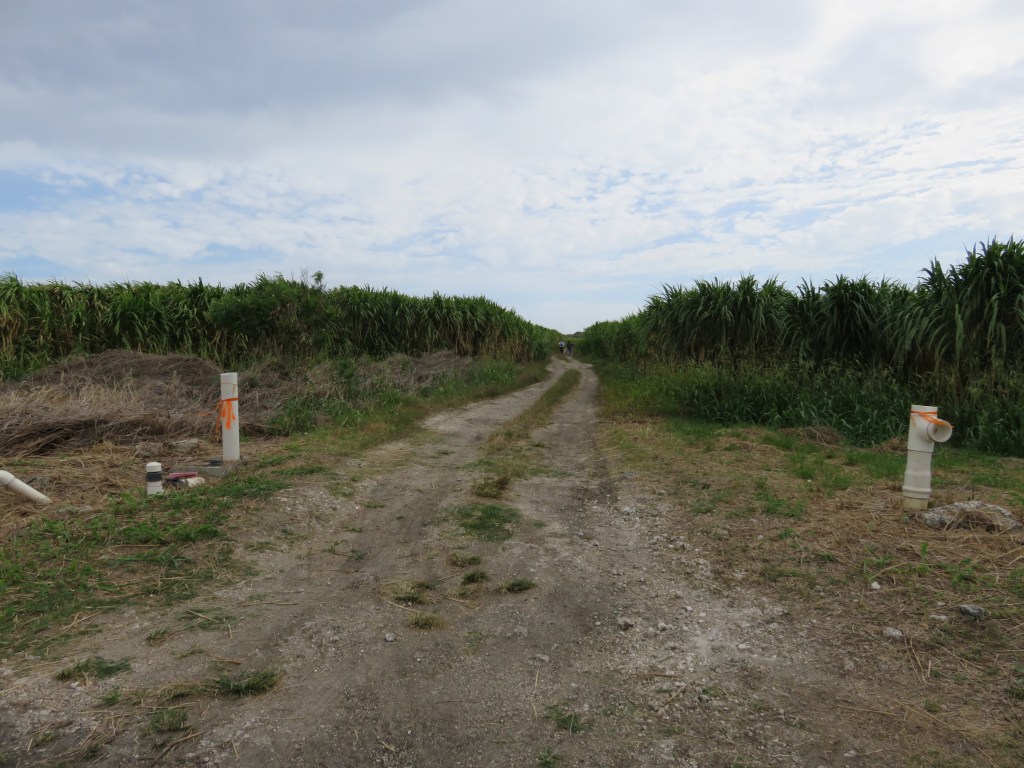
Bath to Bathsheba, St. Joseph

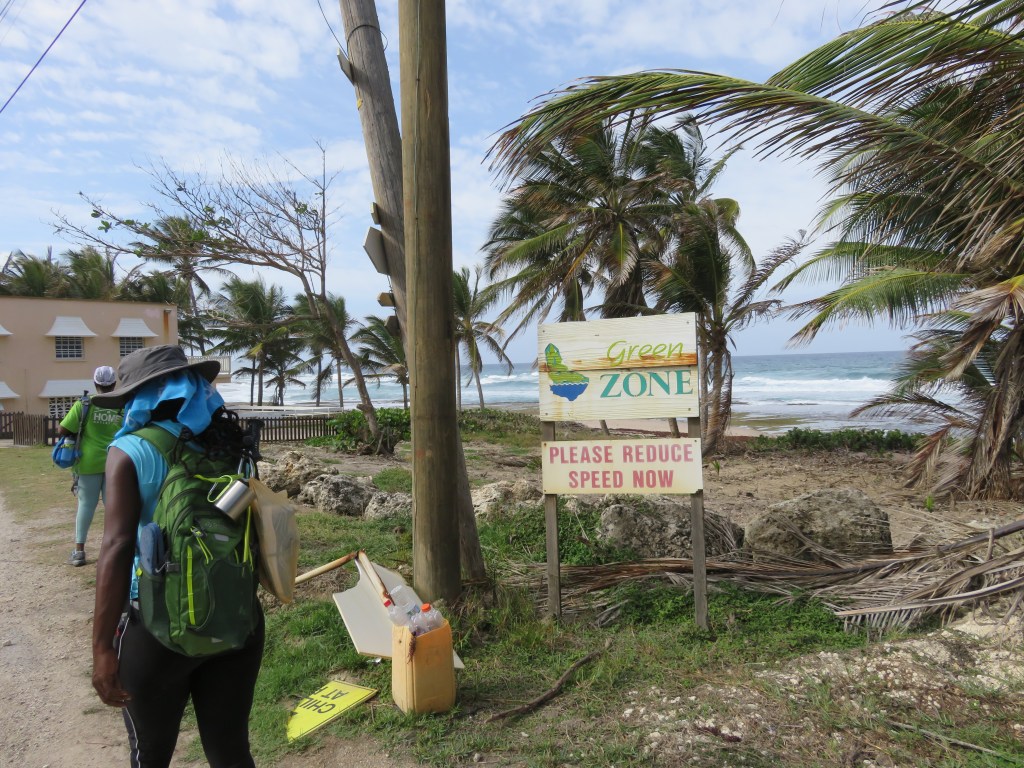
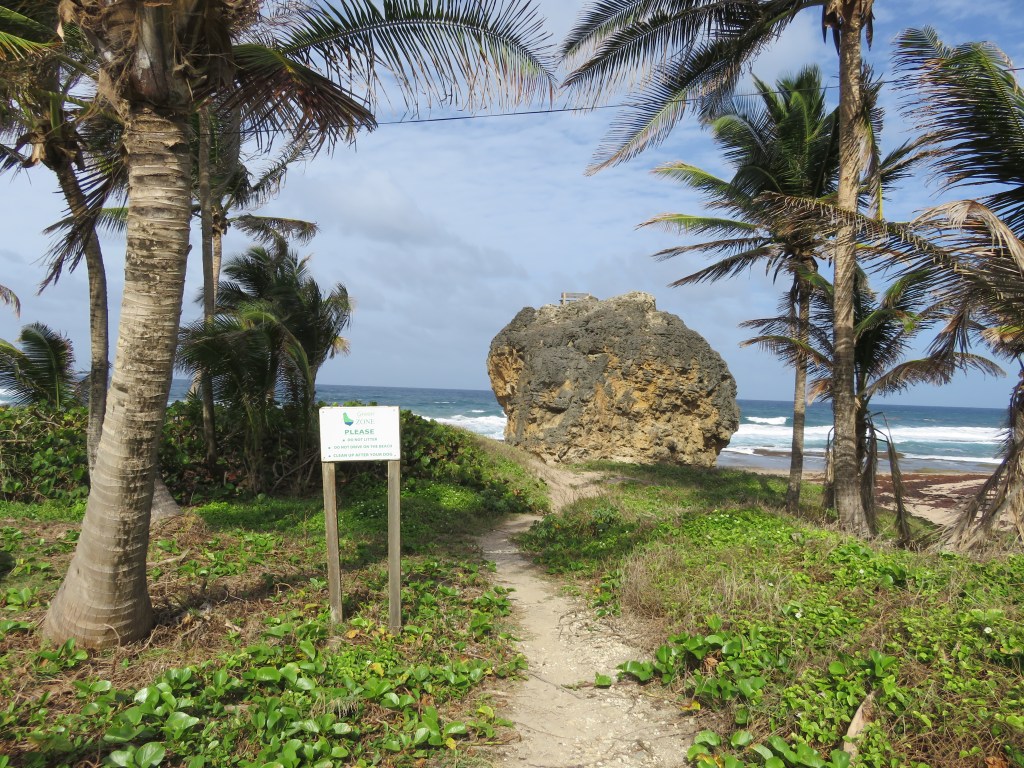
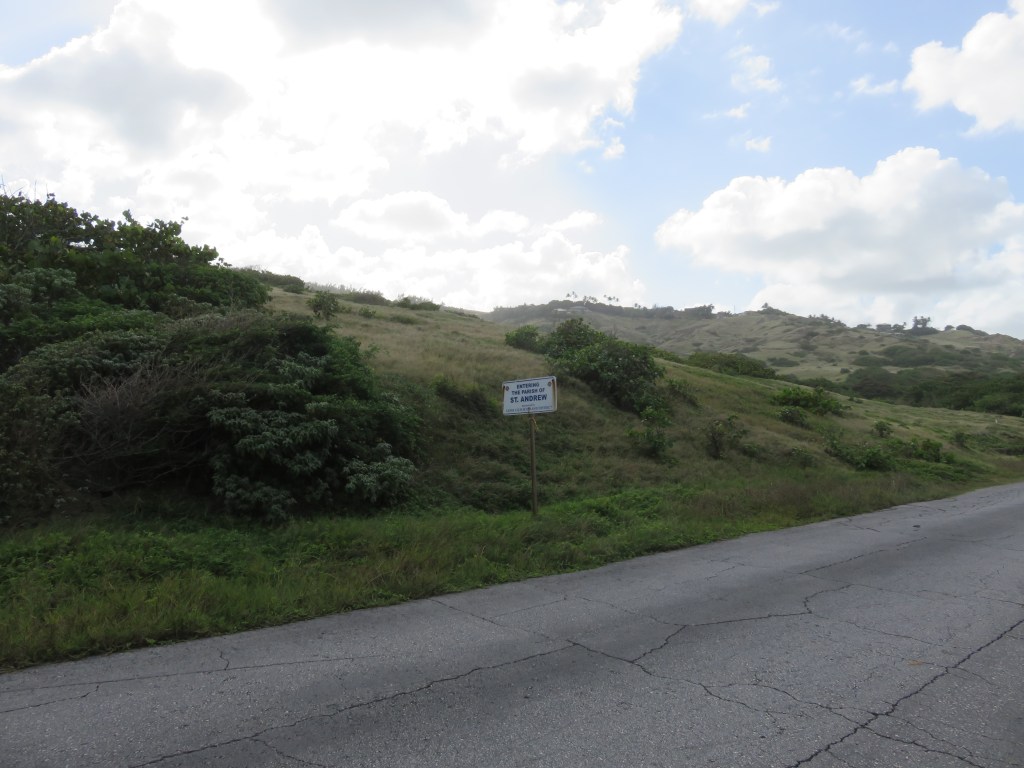
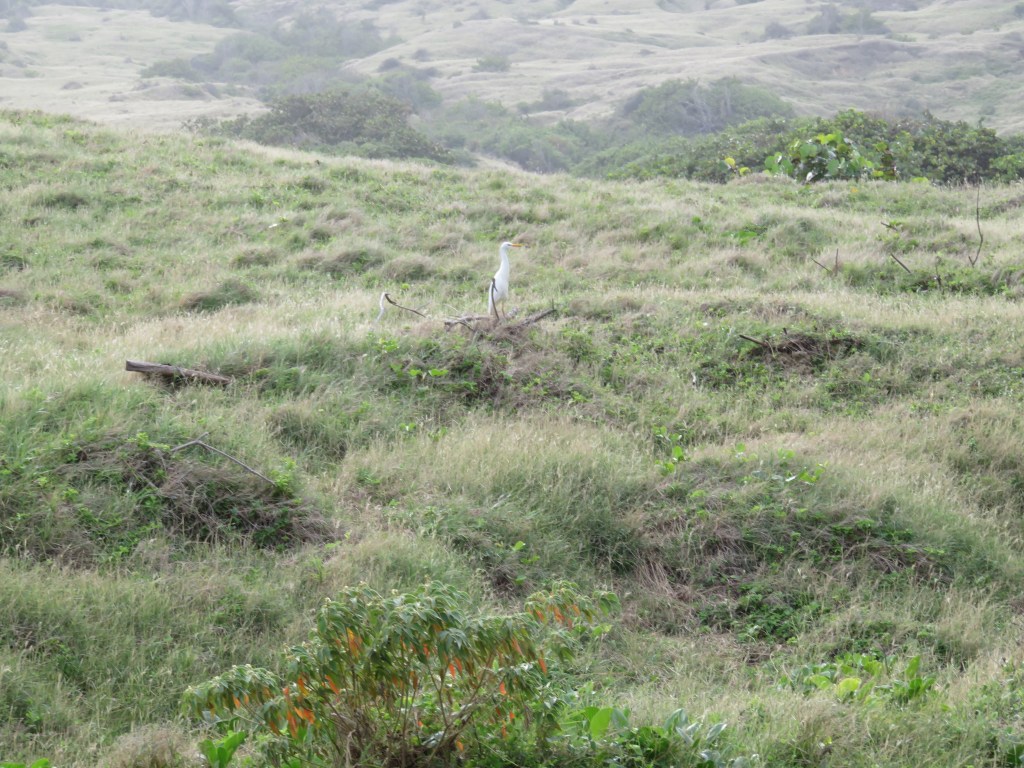
Bathsheba to Belleplaine, St. Andrew

Litter – Why oh why Don’t People Care?

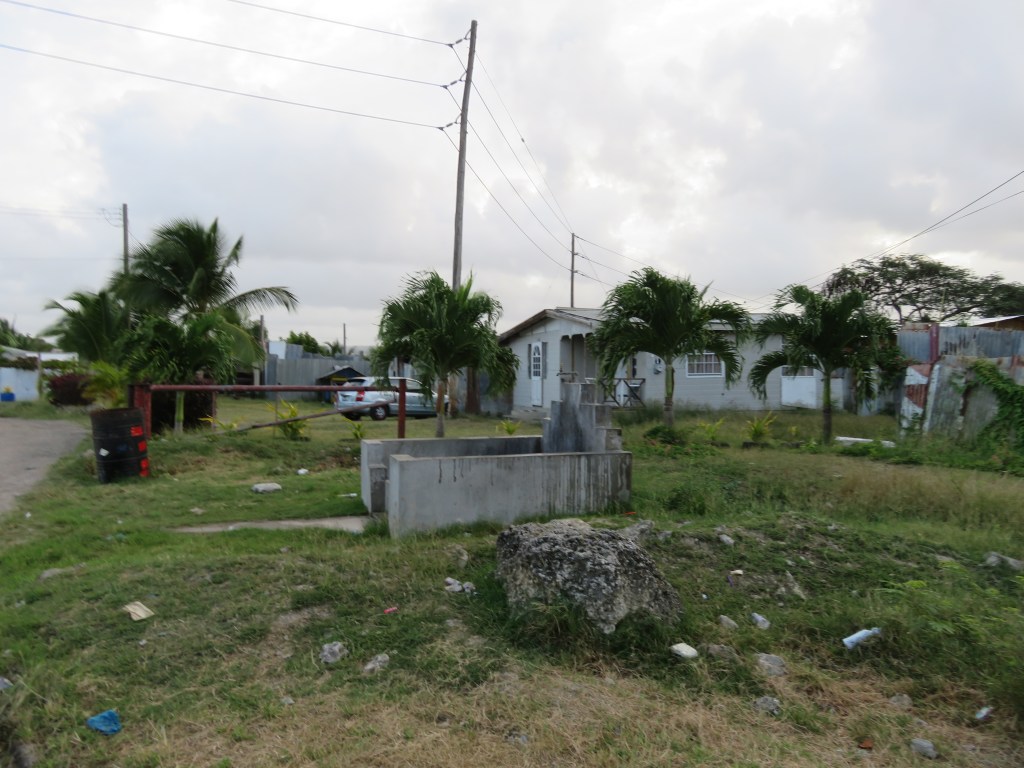
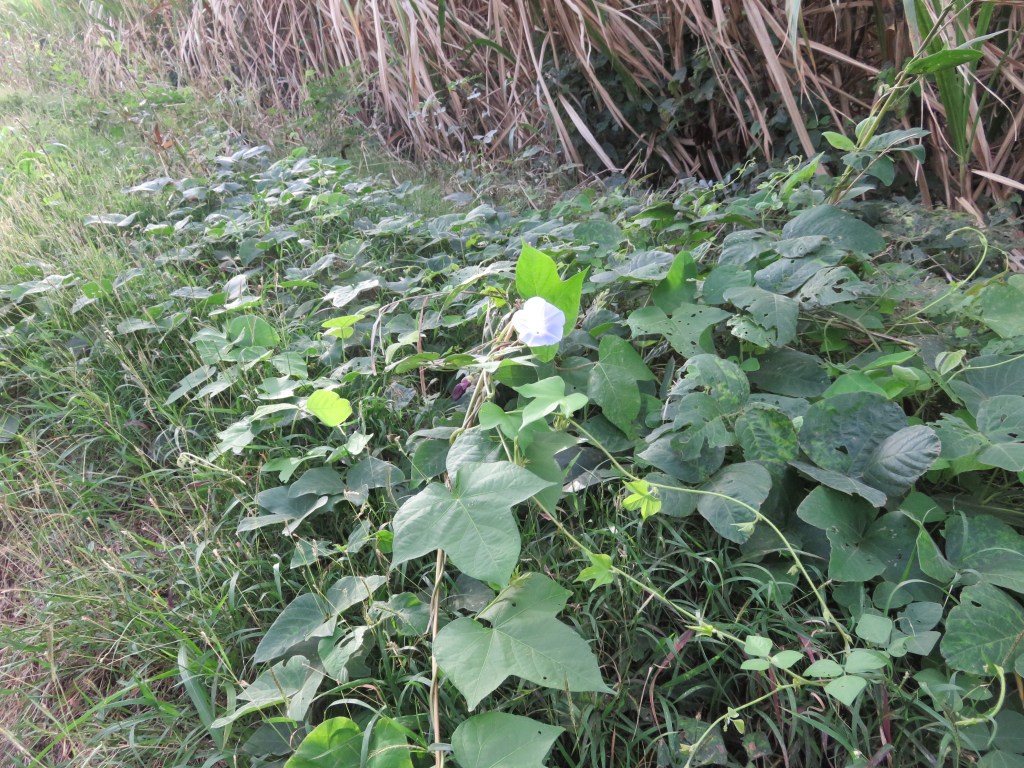
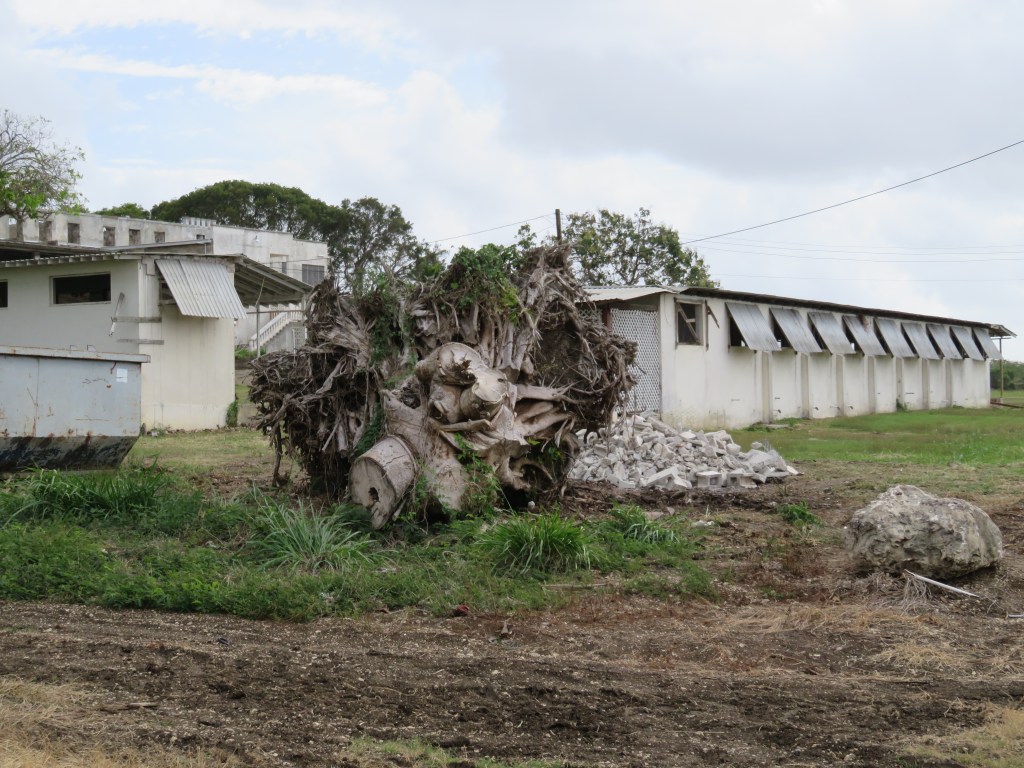
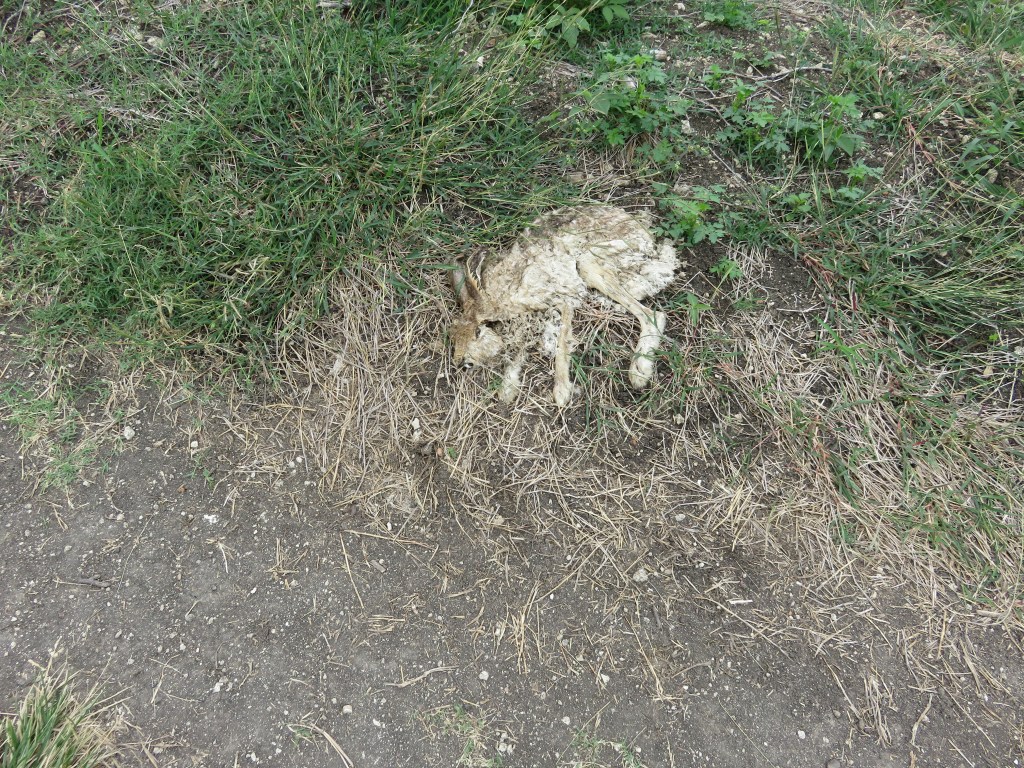
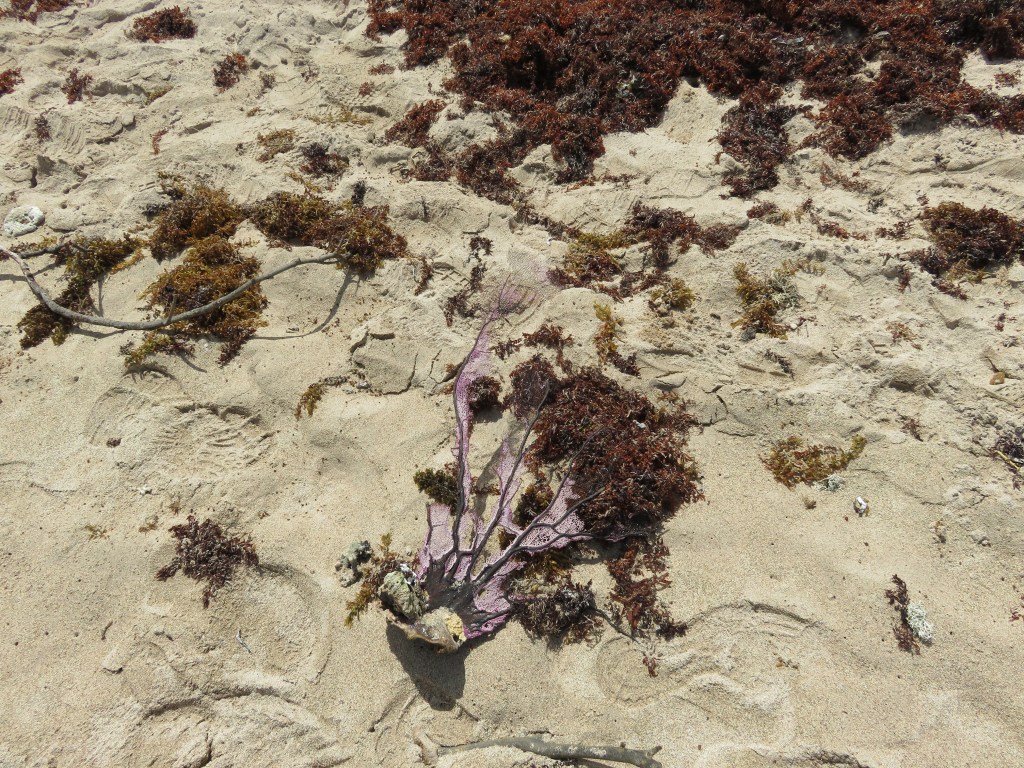
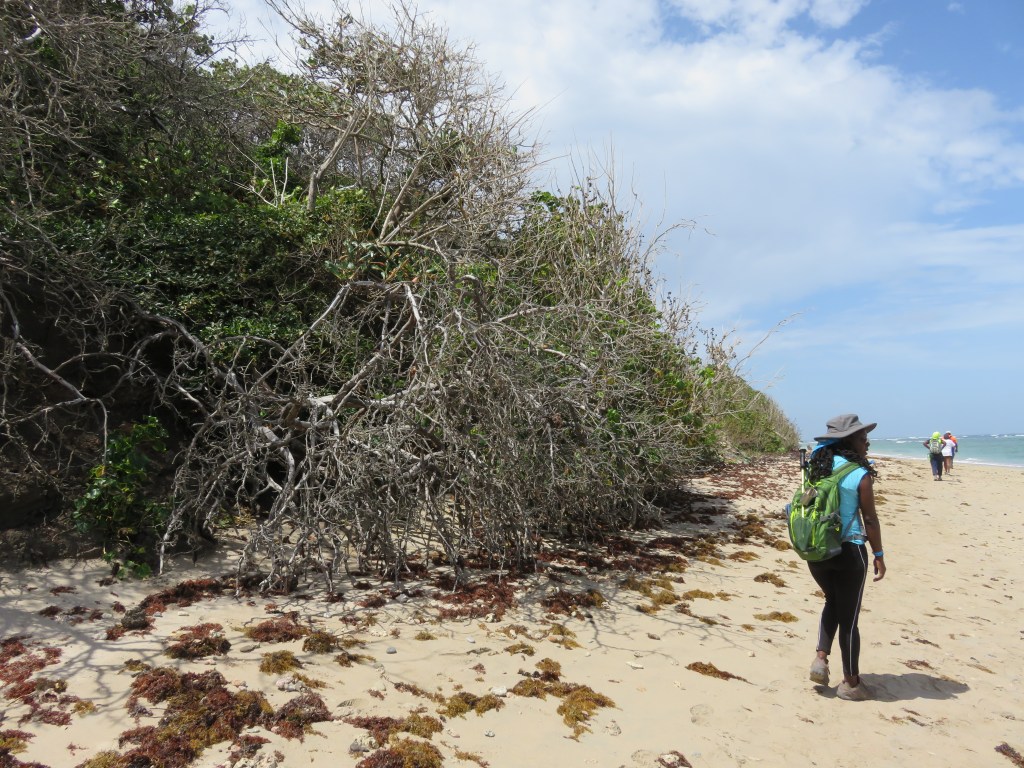
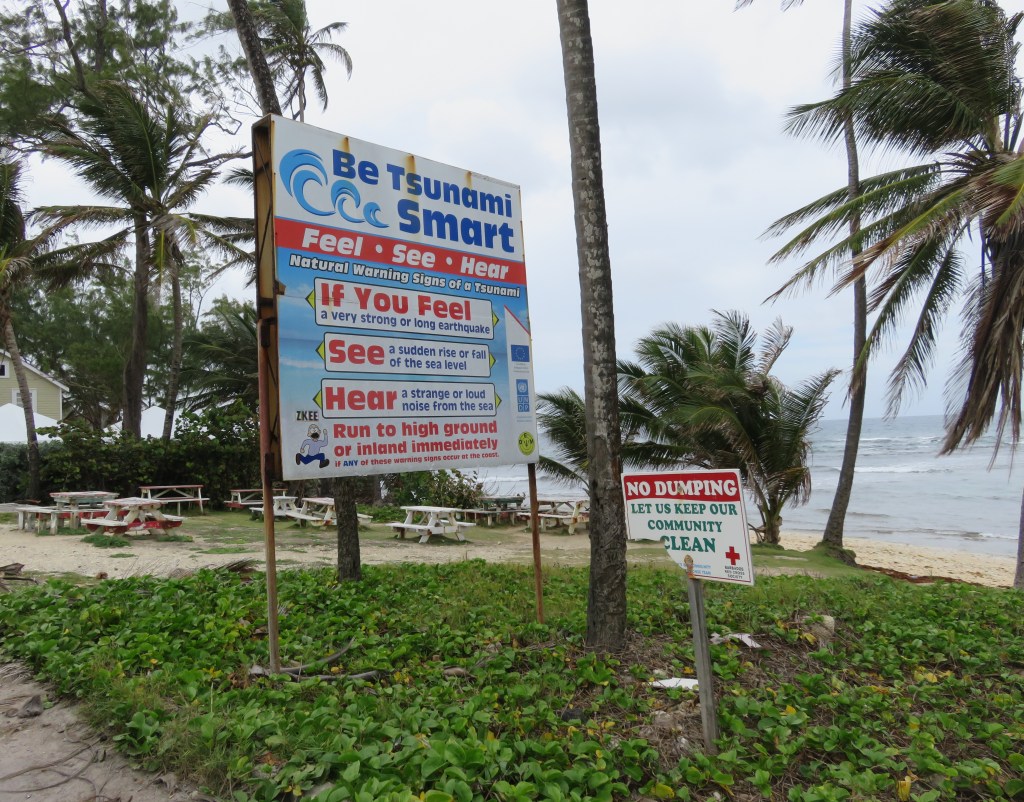
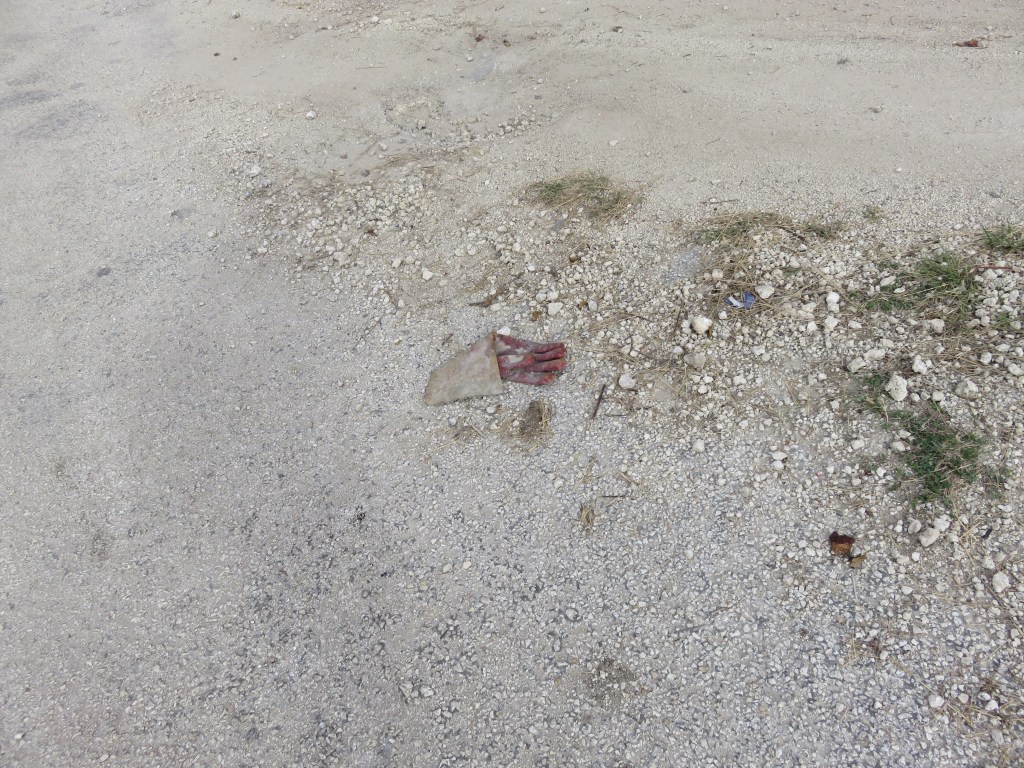
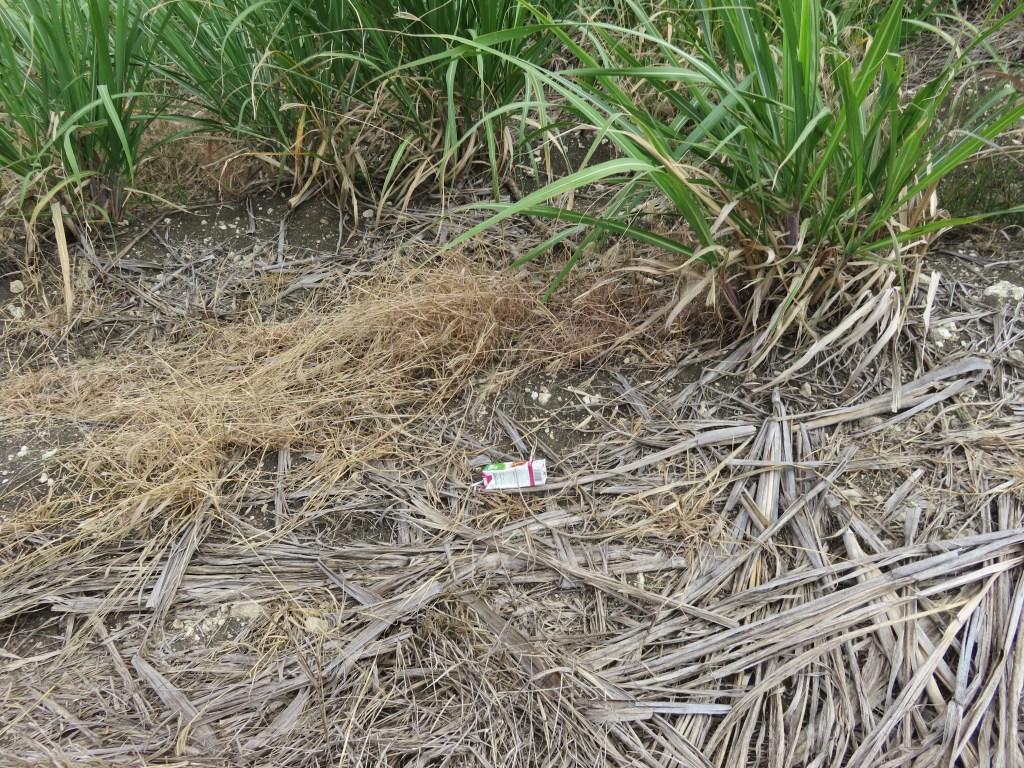
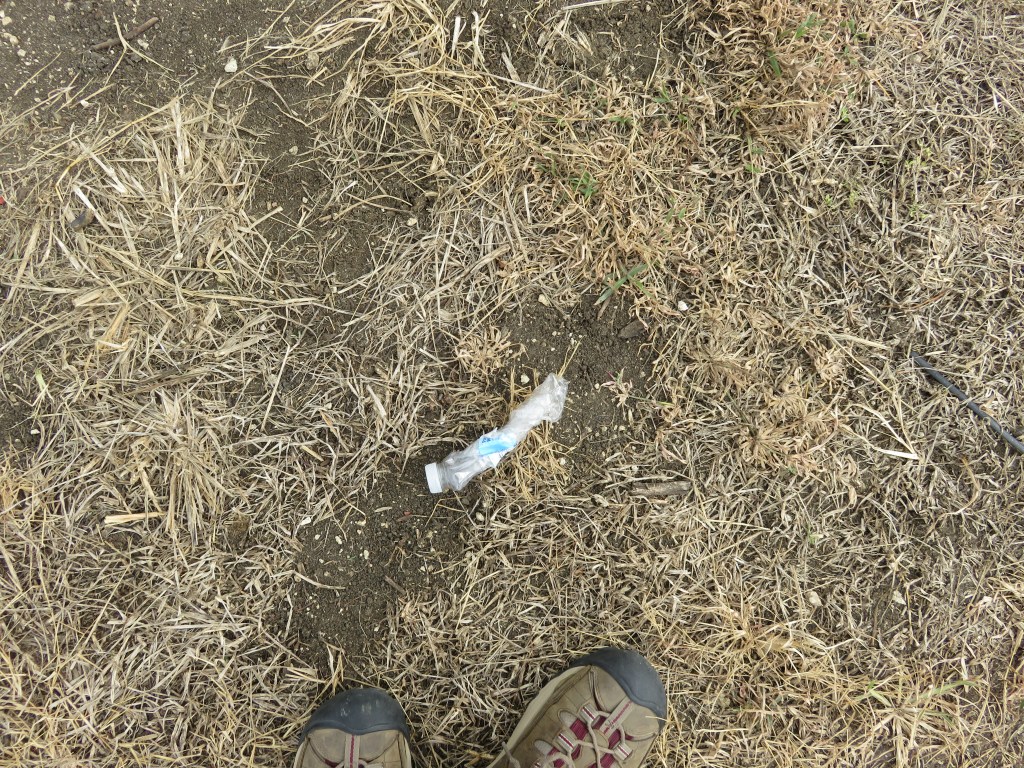
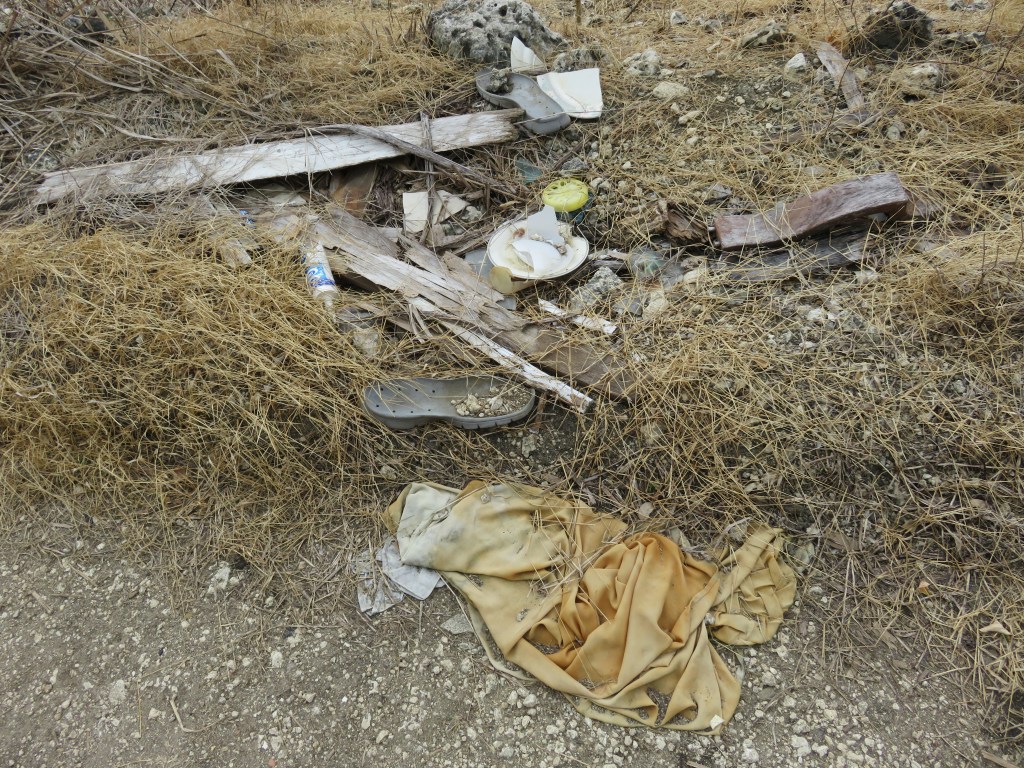
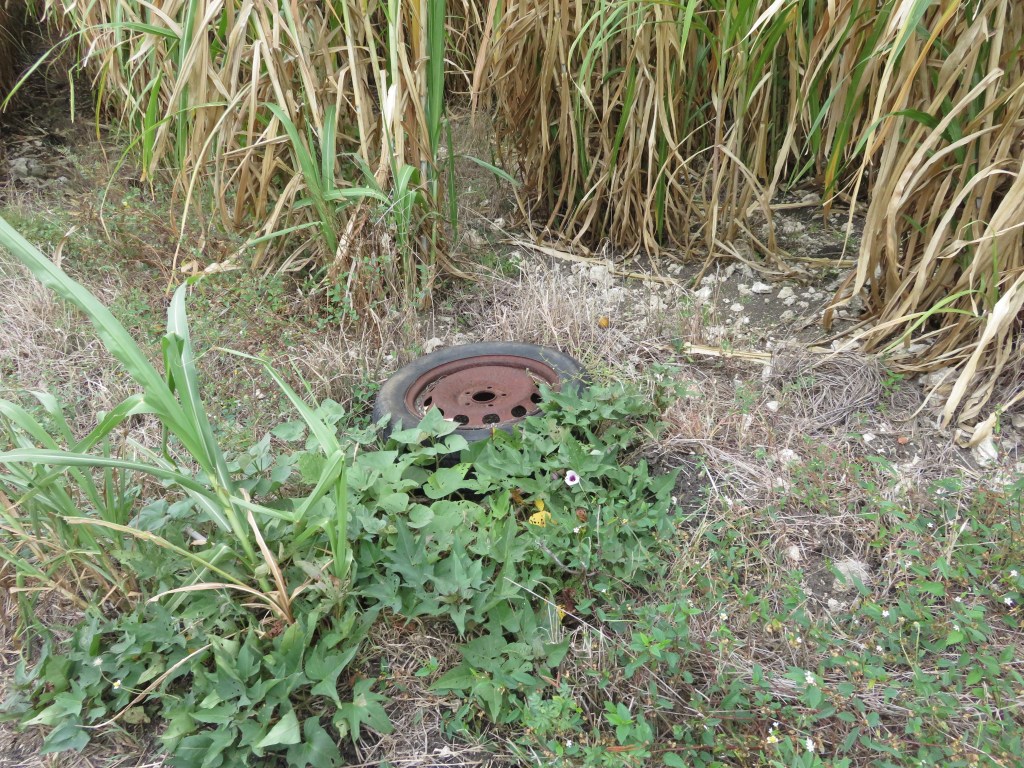
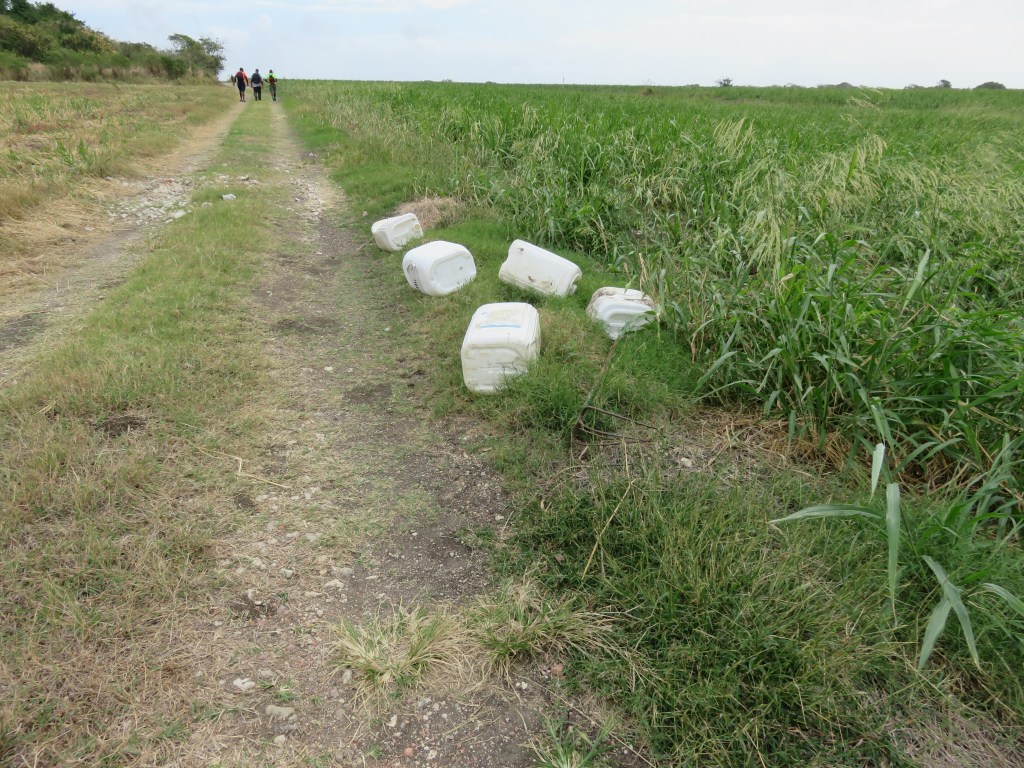
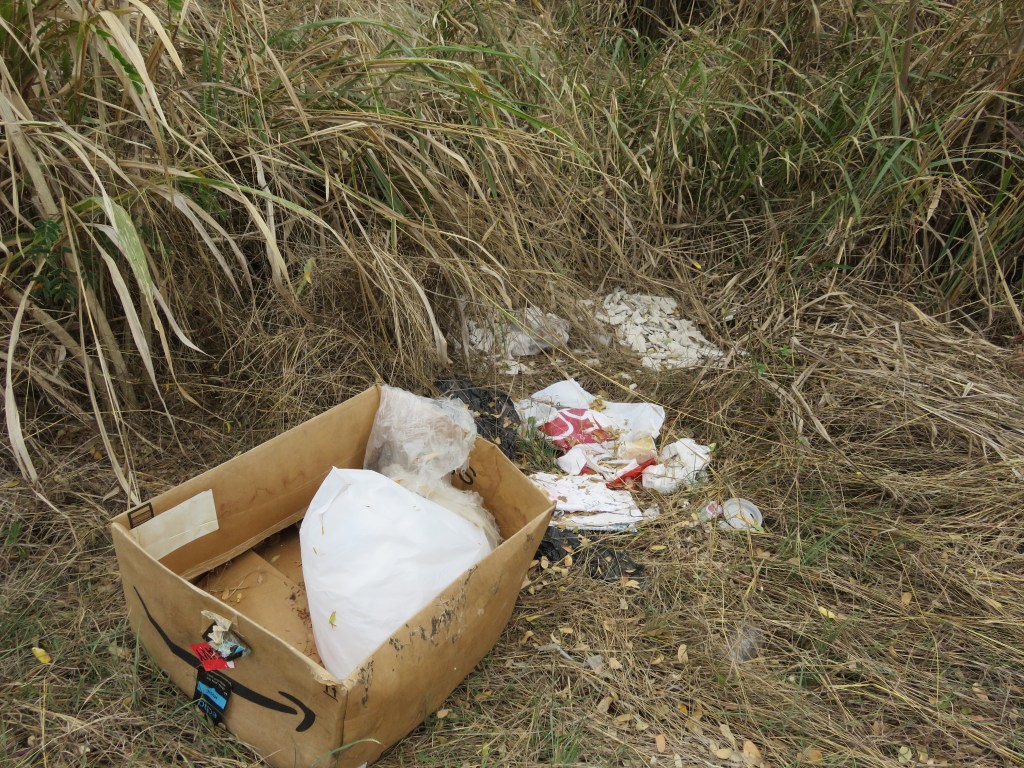
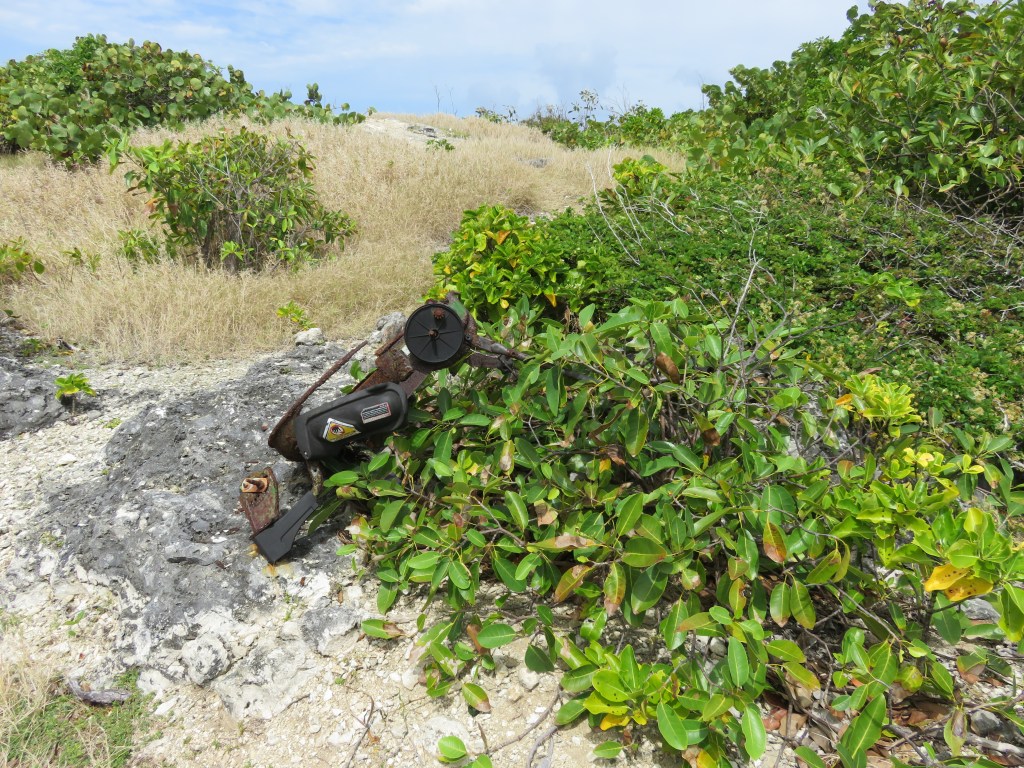
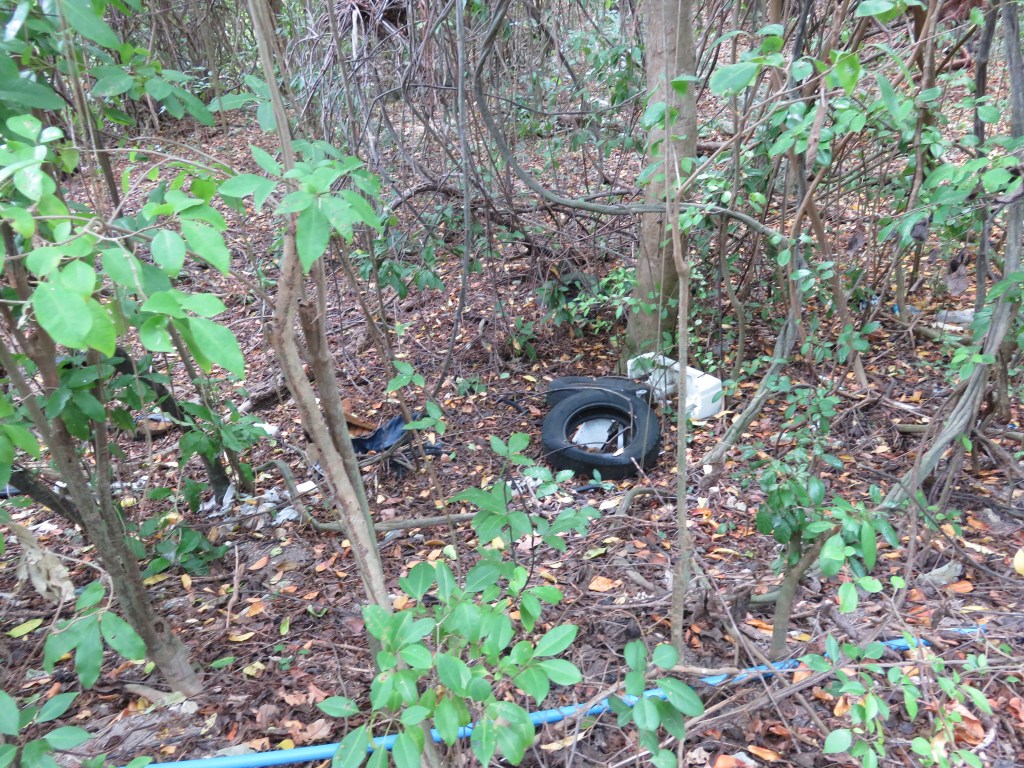
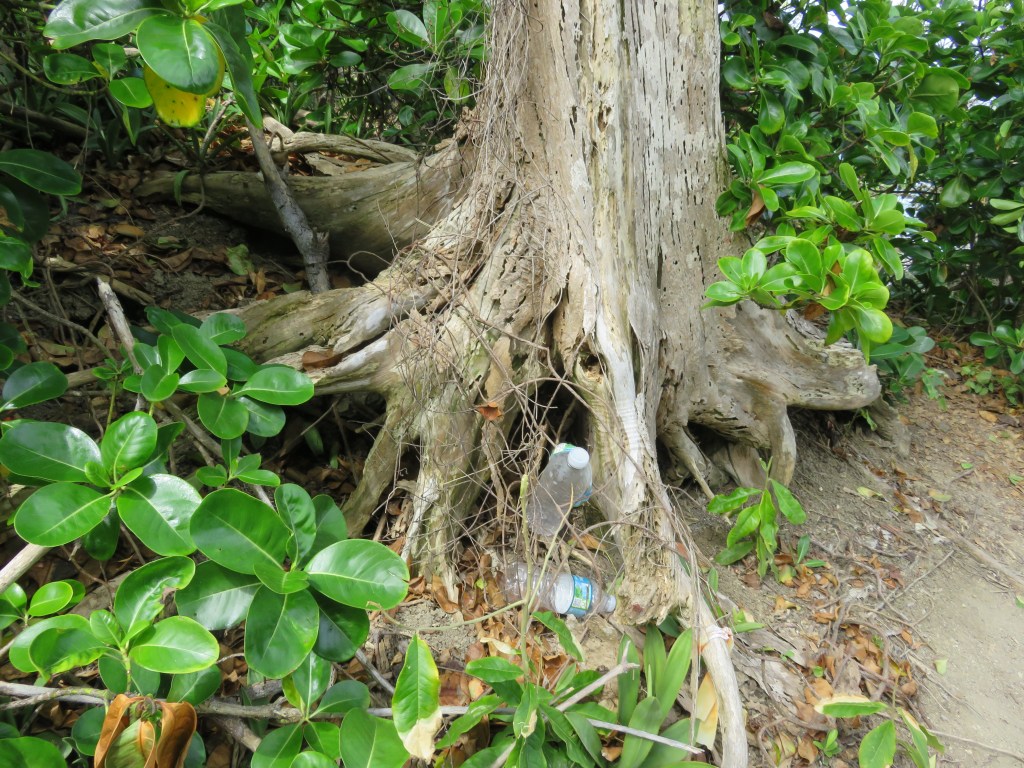
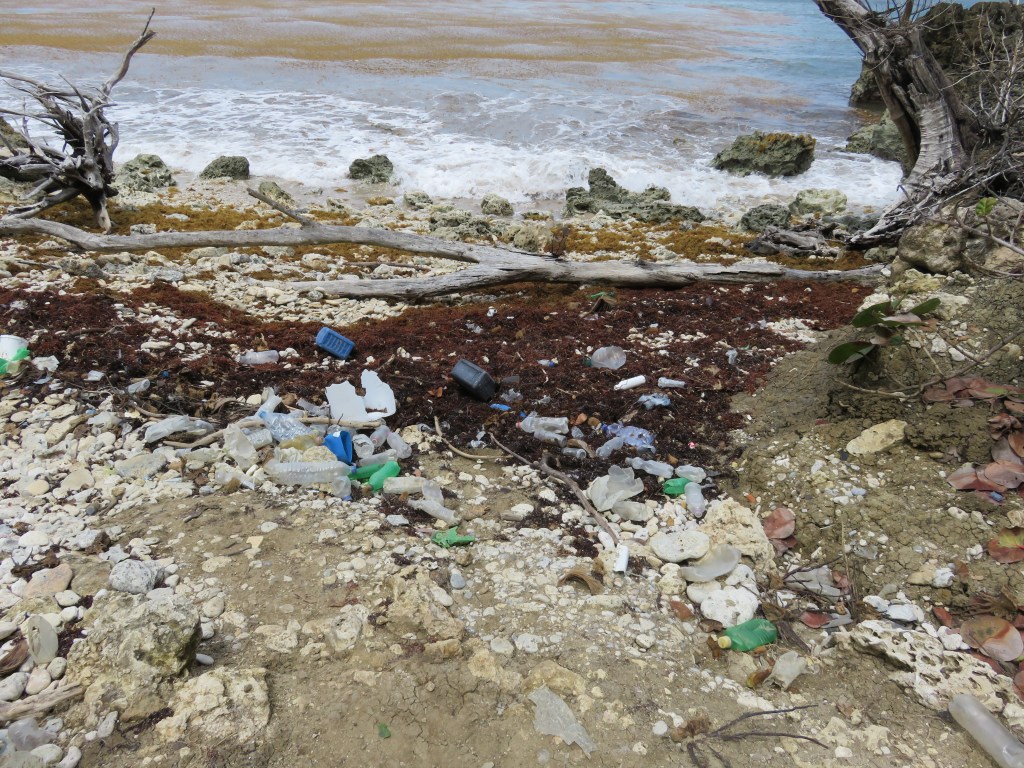
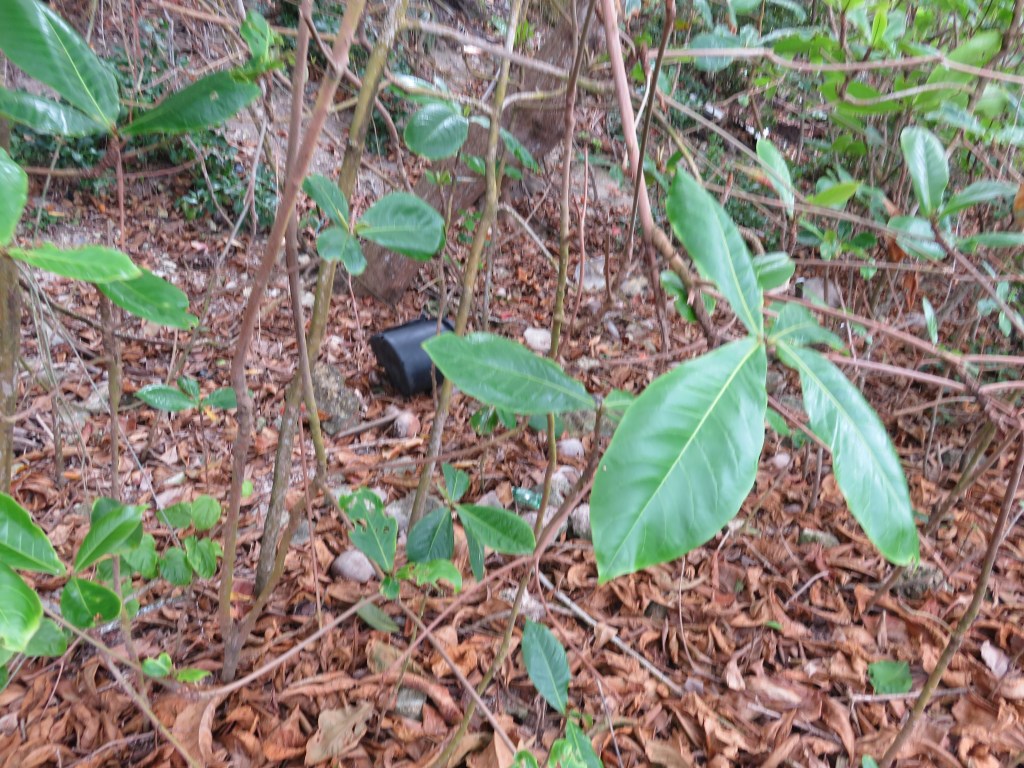
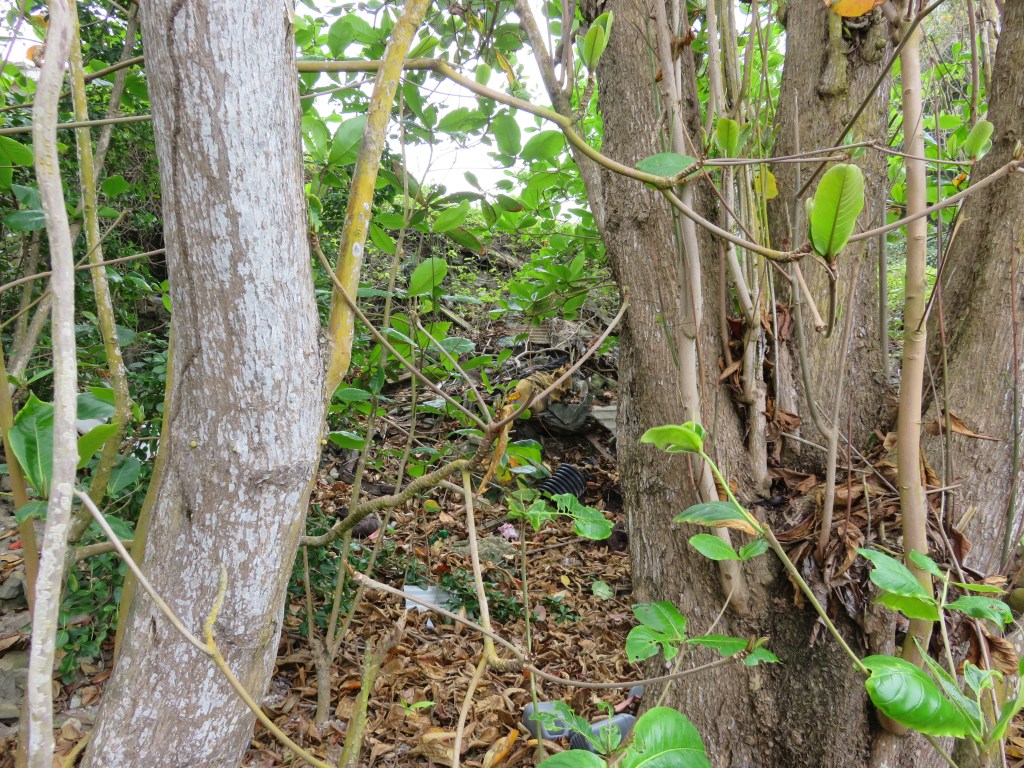
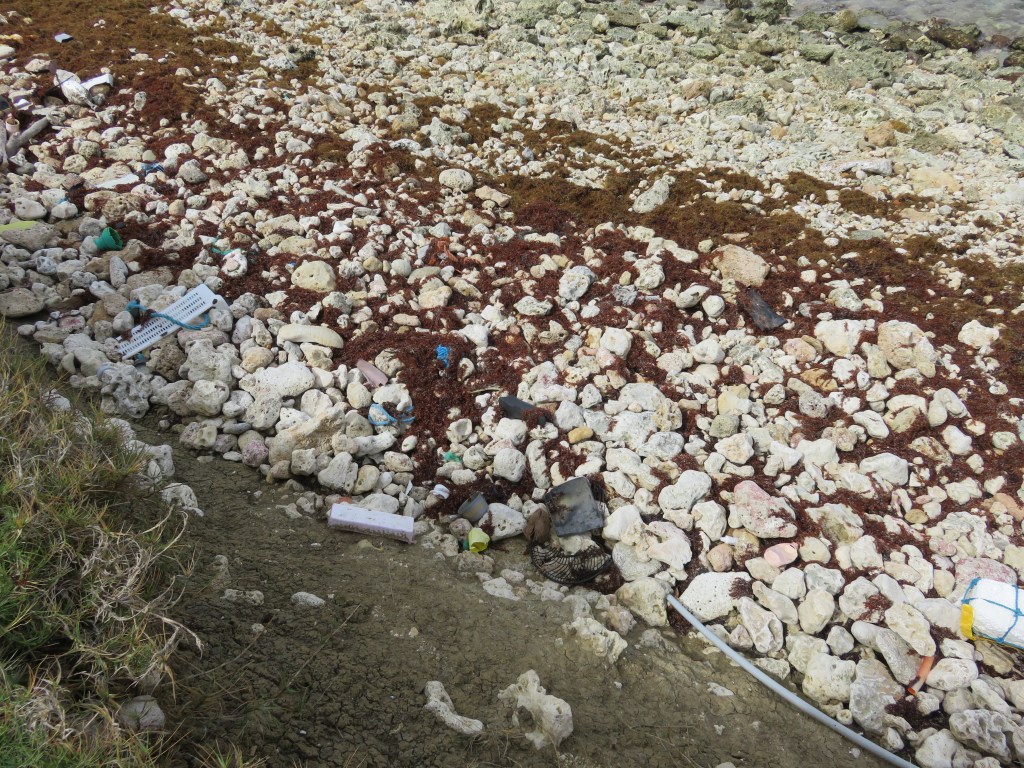
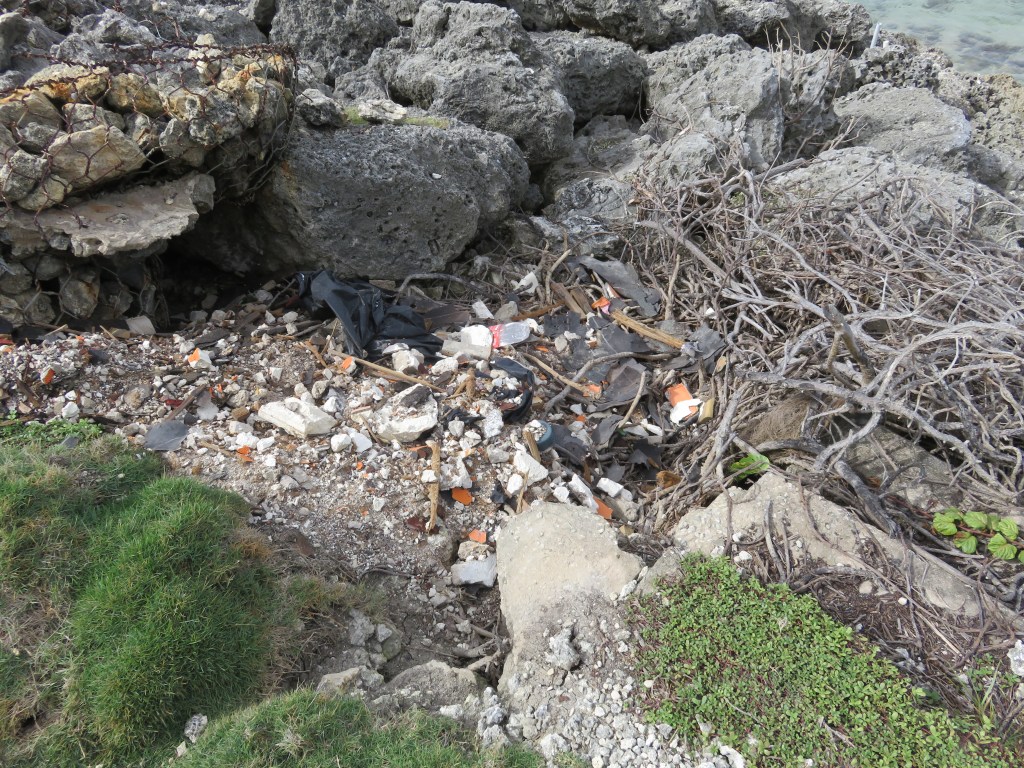
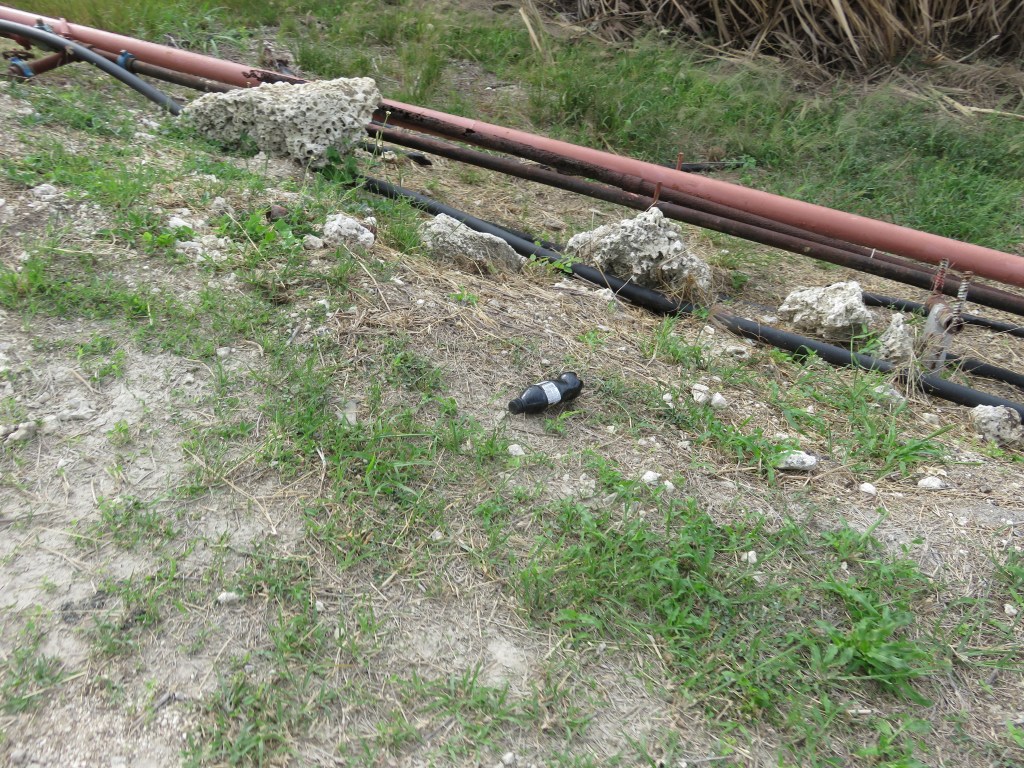
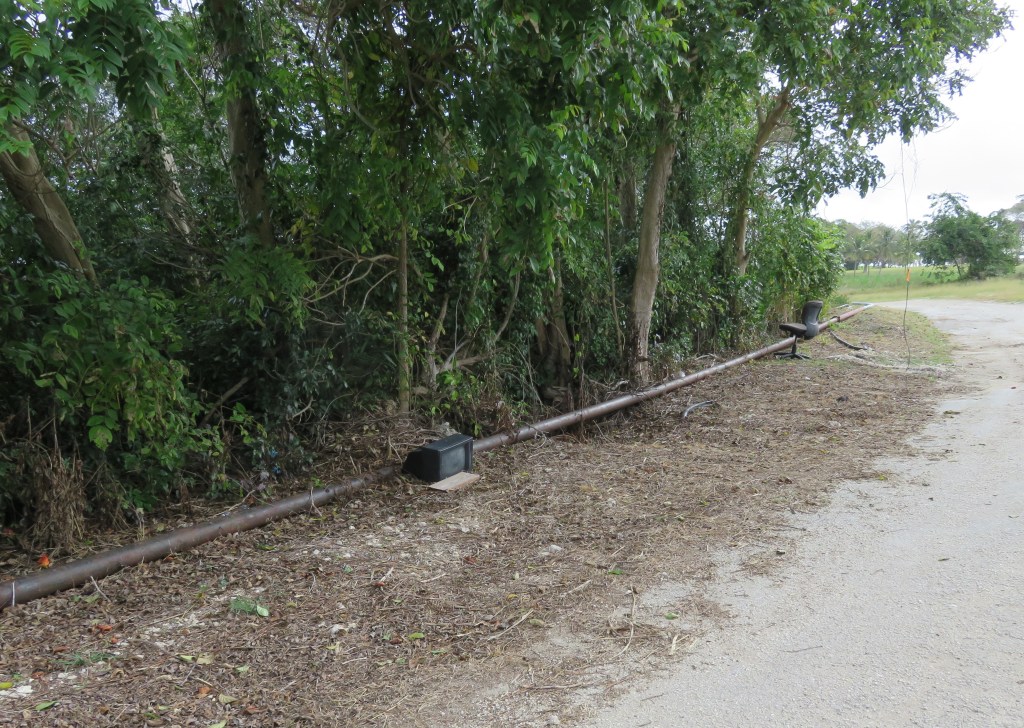
I took photos of litter and dumping at various points along the way. Even participants in the Train Hike were dropping disposable plastic water bottles. I was disgusted! Of the 400+ photos I took as I hiked the 26 miles, at least 60 were of litter or dumping. We need to step up and be better stewards of our natural resources.
Just so litter isn’t the last image of the 2020 Colin Hudson Memorial Great Train Hike.

My dearest Colin, it’s been over 16 years since I last hiked with you and I missed you so much on the Great Train Hike today but I was elated to walk those 26 miles in your honour. Continue to rest well my friend.
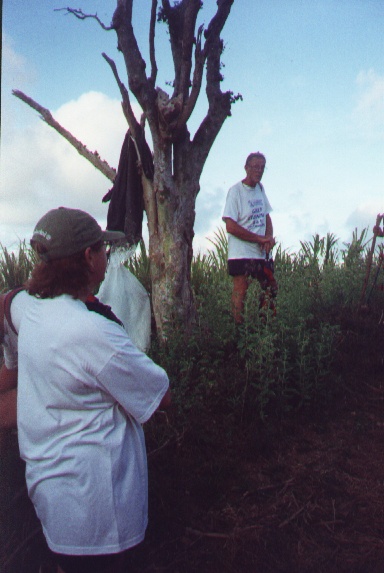
#naturenevergoesoutofstyle #Barbados

#Jamaica … dem likkle but dey tallawah

My Escapes

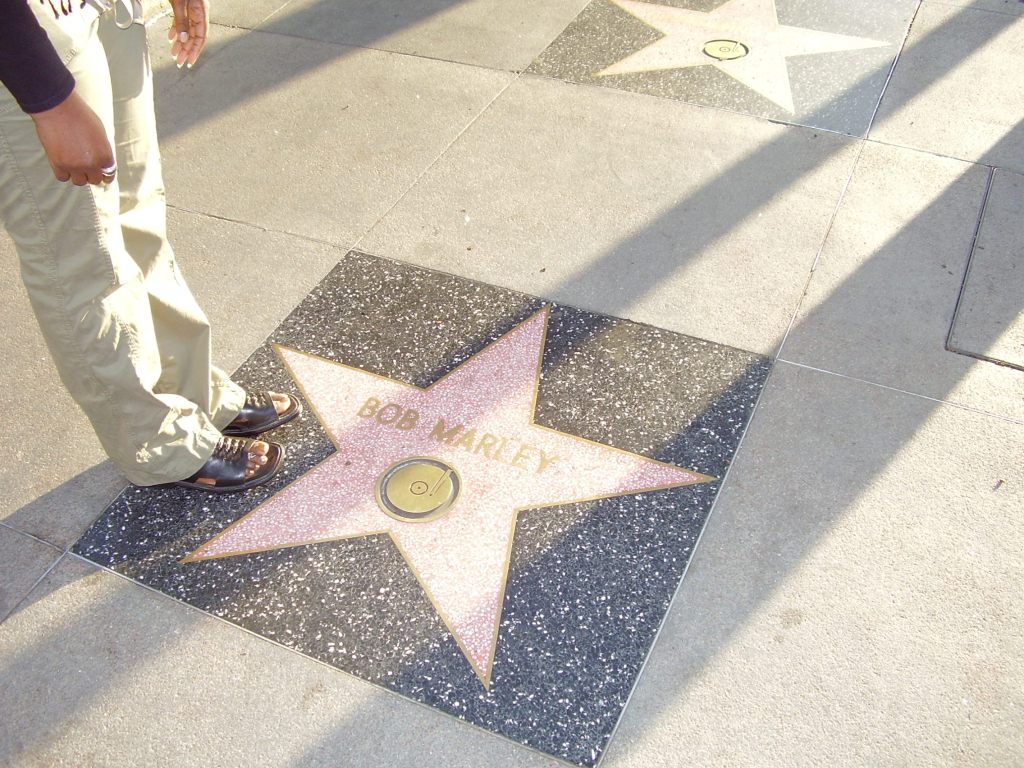
My first visit to Jamaica was in December 1993, but my love affair with the country started long before that. I don’t recall not knowing about Jamaica as a part of the Caribbean because basic Caribbean history was a part of my primary school curriculum, but the love started because of Bob Marley, and Jean D’Costa’s Escape to Last Man Peak.

In the same way that I don’t remember not knowing about Jamaica, I also don’t remember not knowing Bob. Bob’s music was and still is, central to the playlist of my life, with a song, a lyric, a beat for every mood. I still remember walking with my uncle, sister and cousins (going to get ‘meat’ for sheep and goats) when someone passing by on a bicycle told us that Bob had died. It was May 11, 1981 and I was a month or so shy of turning 8 years old. Imagine the impact his passing had on me that my memory of it is so vivid. If I’d had a child they would’ve been called Nesta 😁.

I can’t put a date to when my relationship with Bob started, but I can for Escape to Last Man Peak. I’ve always been an avid reader and used to take pleasure in reading whatever interesting books my sister (older by 2 ½ years) was reading. When she was in second form at secondary school, Escape to Last Man Peak was on her reading list and I think I read it before the school year even started. That’s how I first heard about Falmouth in Jamaica, because a group of orphans who had lost their caretaker to sickness, decided to leave Spanish Town and go to Last Man Peak (near Falmouth) to avoid being forced into child labour. Their escape took them on an adventurous trek across the island and I felt like I was with them.

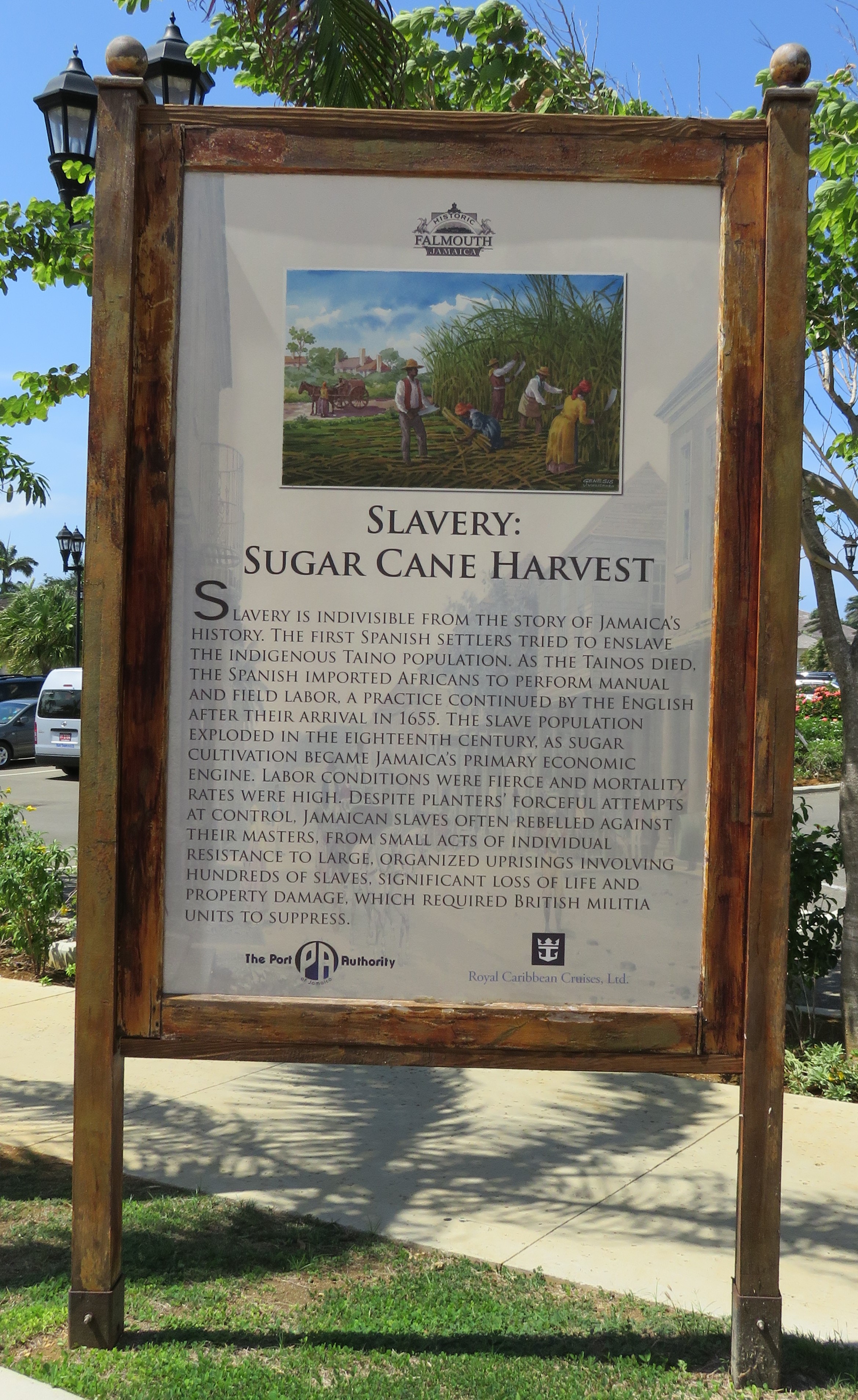
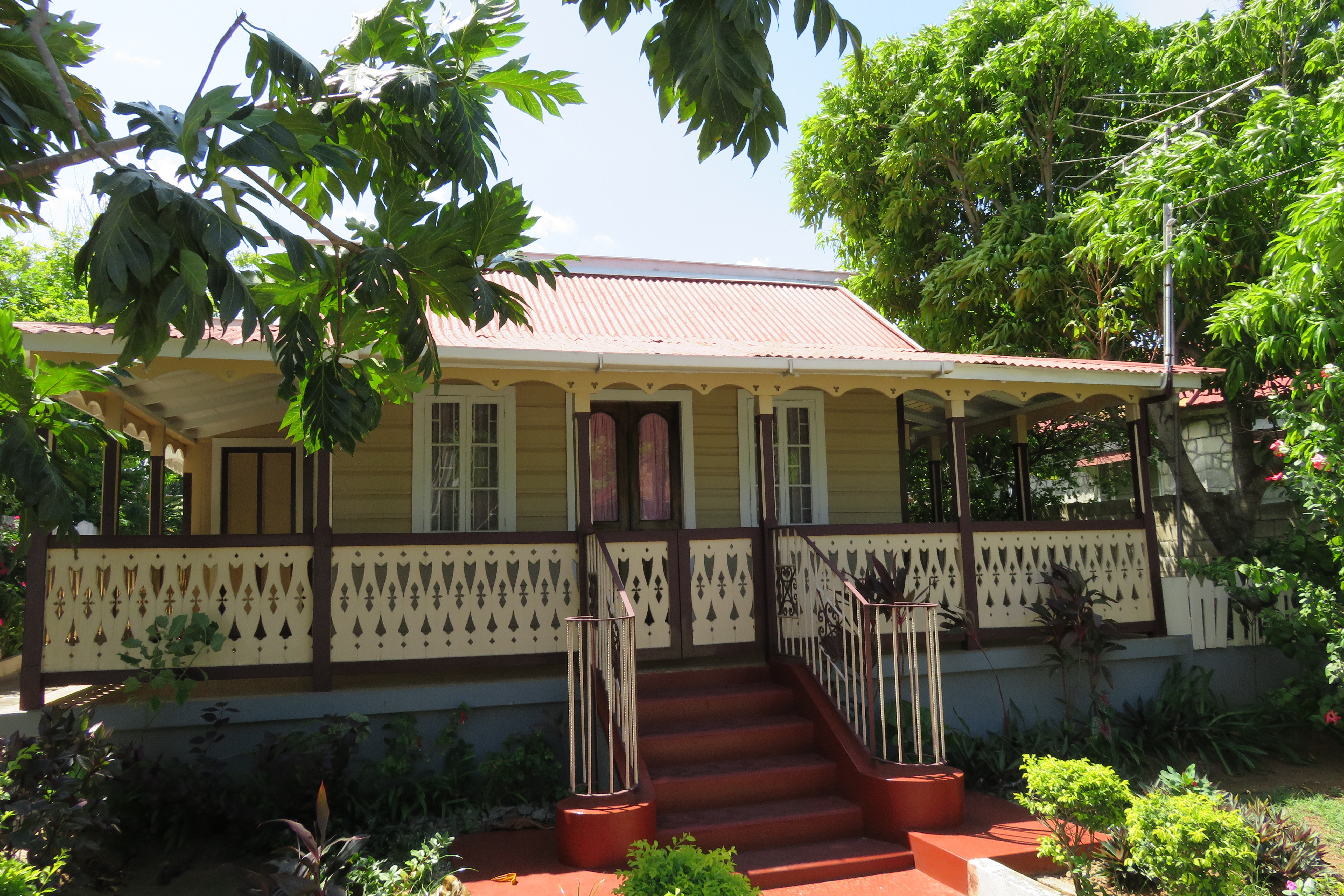
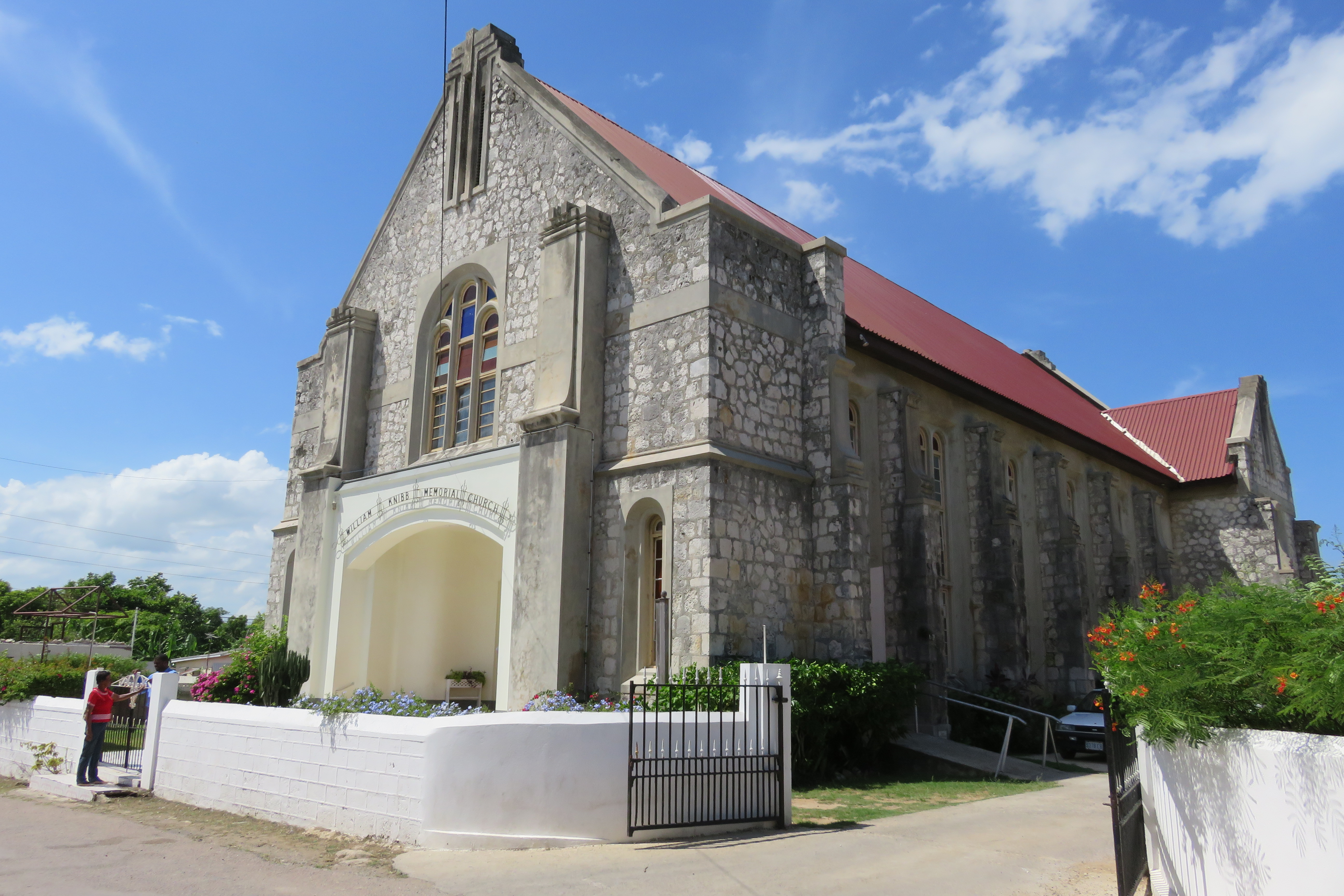
Imagine how exciting it was for me to finally visit Falmouth in 2017! By then, I’d learned more of the history of Falmouth, a hub for the transatlantic slave trade, where enslaved Africans were bought and sold and the meaning of that visit was even more profound, but the initial excitement of walking through the town was because of that journey Jean D’Costa’s pen took me on as a 9 year old. During that trip to Jamaica I finally bought my own copy of Escape to Last Man Peak.

So Much Things to Say

I’ve just completed the most recent of many trips to Jamaica since 1993 and again it didn’t disappoint. I have very good friends who are Jamaican and my mentor in sustainable tourism was Jamaican. So I’ve visited for both bleisure and pleasure over the years. The first trip was because I had two Jamaican housemates while I was doing my Bachelor’s at UWI in the Bahamas, and decided to go home with them en route to going to Barbados at the end of my first semester. That trip allowed me to visit Bob’s museum and introduced me to Devon House ice-cream. Interestingly enough, I don’t think I’ve visited the museum since that first time, but I’ve had Devon House at least once every trip since 😁.
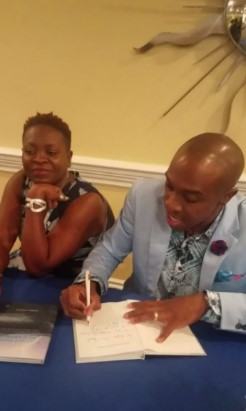
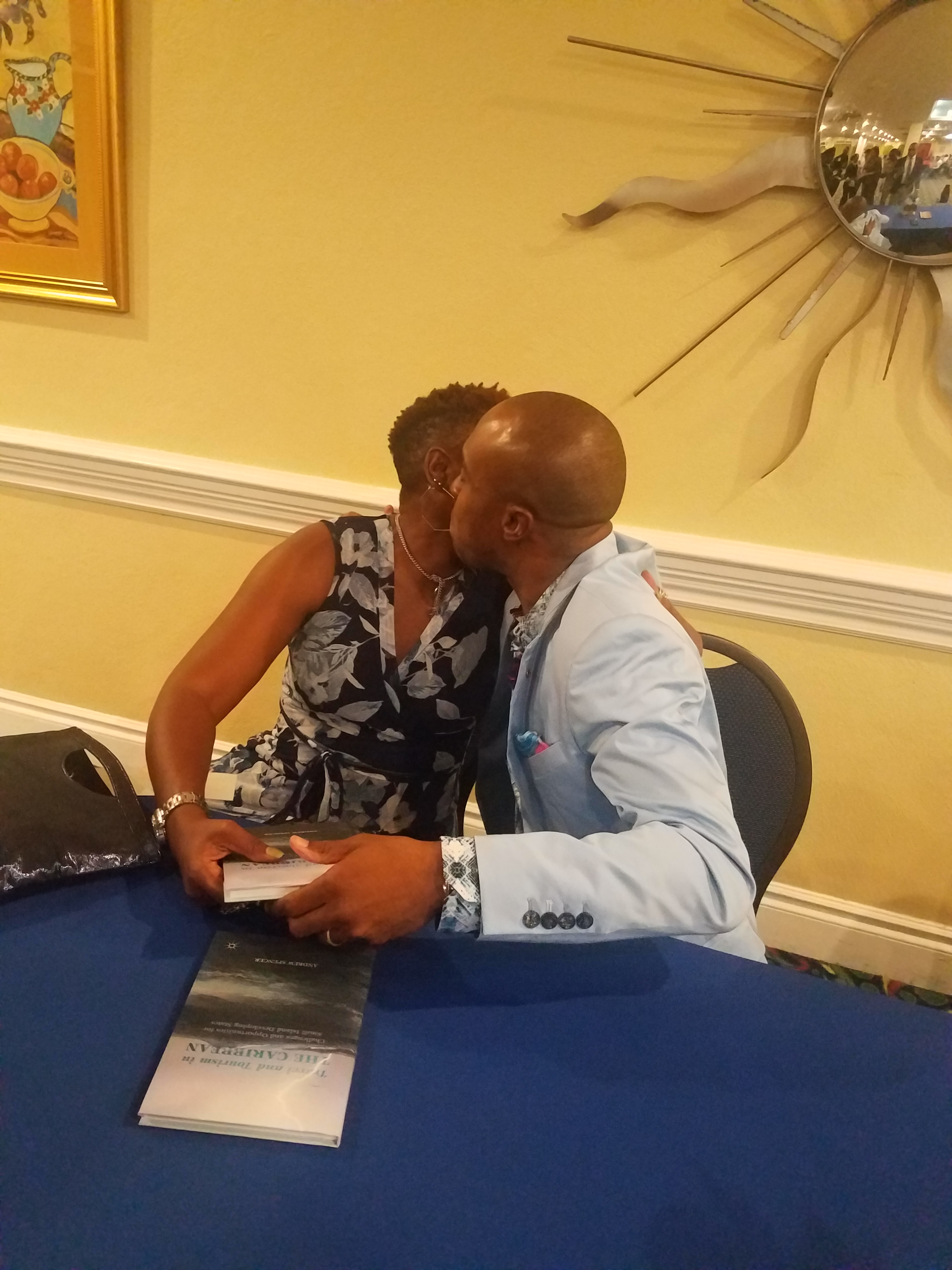
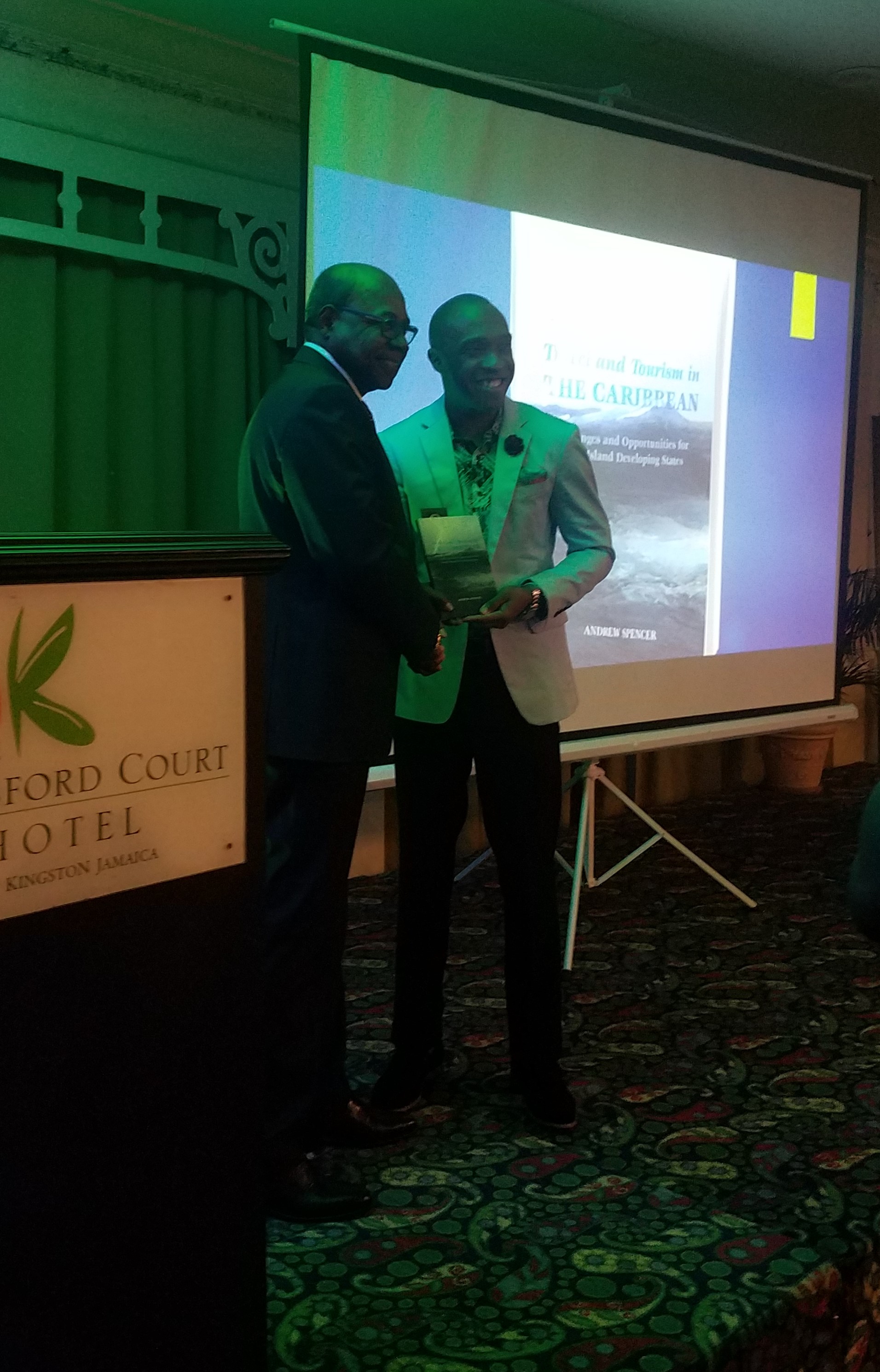
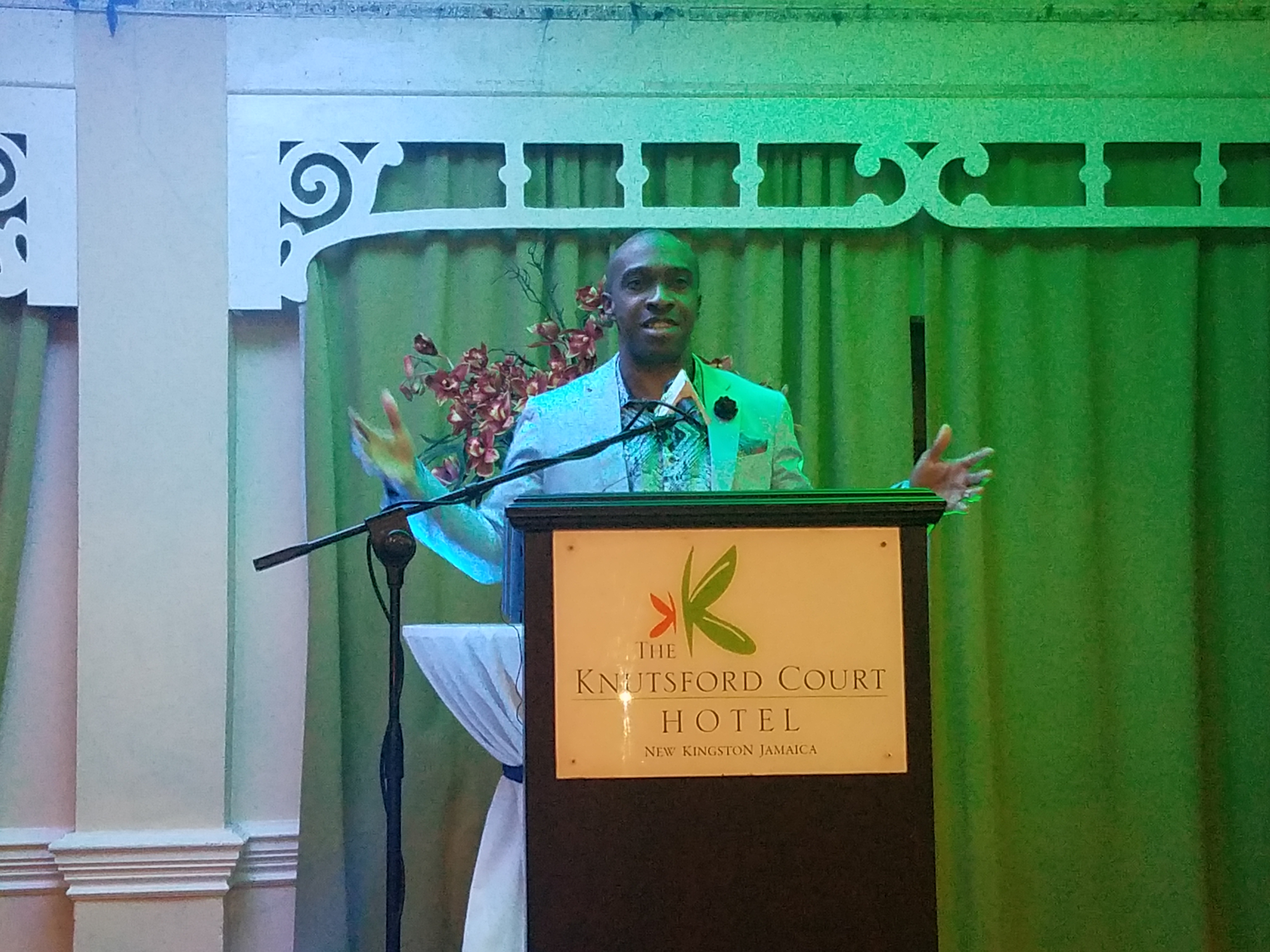
This last trip had a bit of everything, but as usual was just too short. The main driver of a visit at this specific time was to attend the launch of Travel & Tourism in the Caribbean: Challenges and Opportunities for Small Island Developing States, a book written by one of my friends (attend became participate in, but I guess friends earn the right to draft you into service 😊).  I was again en route to Barbados and knew that in addition to supporting my friend, I would get to hike, catch up with other friends and eat delicious food. So I did all of that and more.
Ride Natty Ride

I’ve yet to go to a country or territory in the Caribbean and not feel some type of connection. To borrow a word from a friend, I am a ‘Caribbeanist’. However, there are some places where the connection is much stronger and Jamaica is for sure one of those places. Maybe it is from listening to Bob and other reggae artists more than I listened to any other artists or genre as I was growing up. Maybe it’s from going to UWI and making lifelong friends from Jamaica. Maybe it’s the admiration for an island with a history of rebellion and a belief in self that seems unparalleled. It’s probably all of those things and more. Whatever the reasons, I’m always excited about visiting.

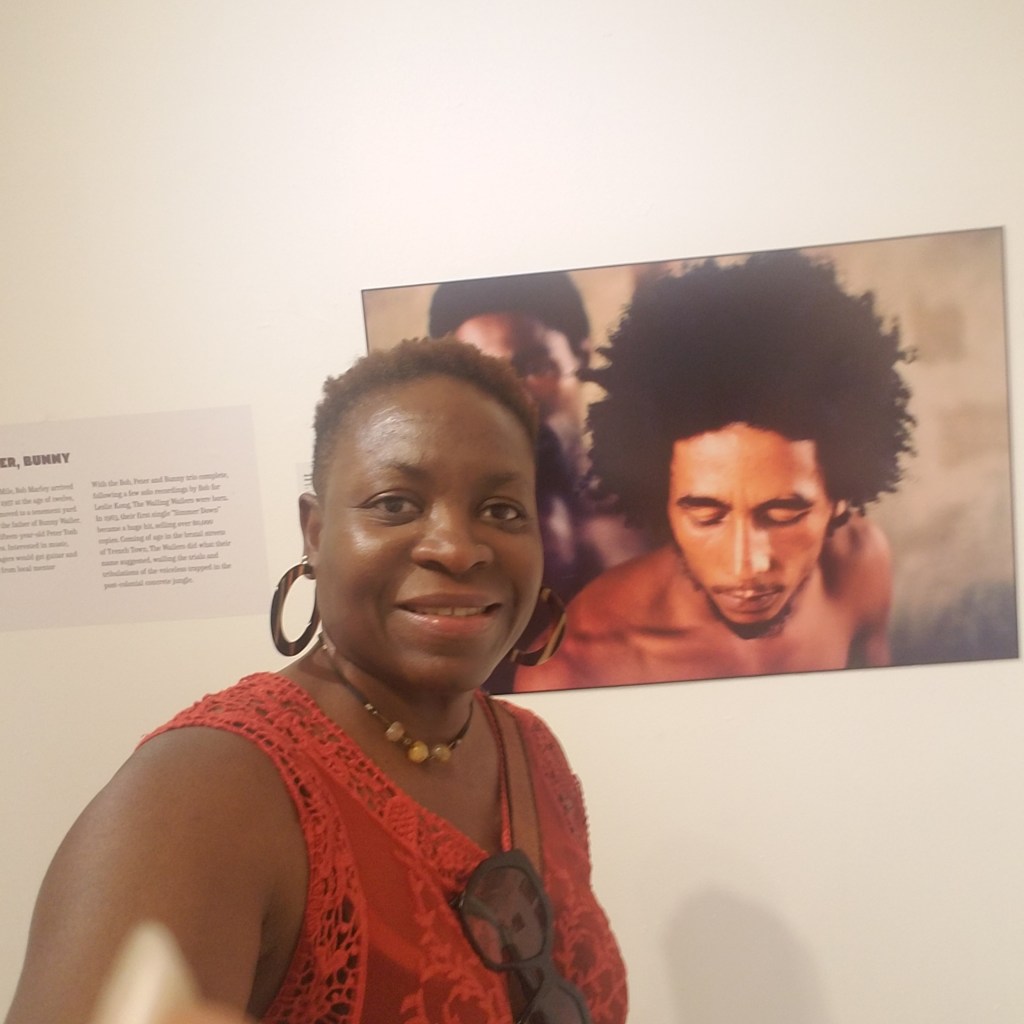
At left, Dr. Louise ‘Miss Lou’ Bennett-Coverley. At right, Robert ‘Nesta’ Marley.

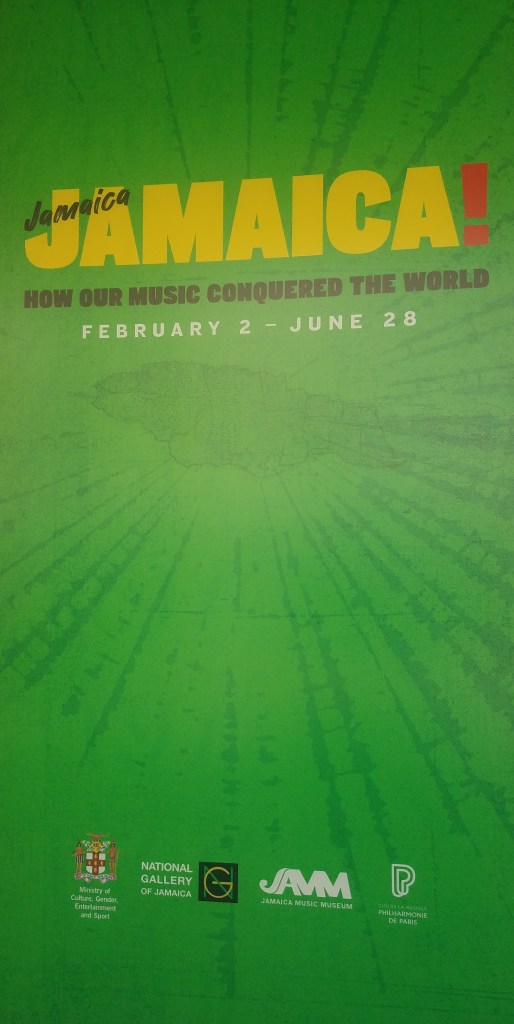
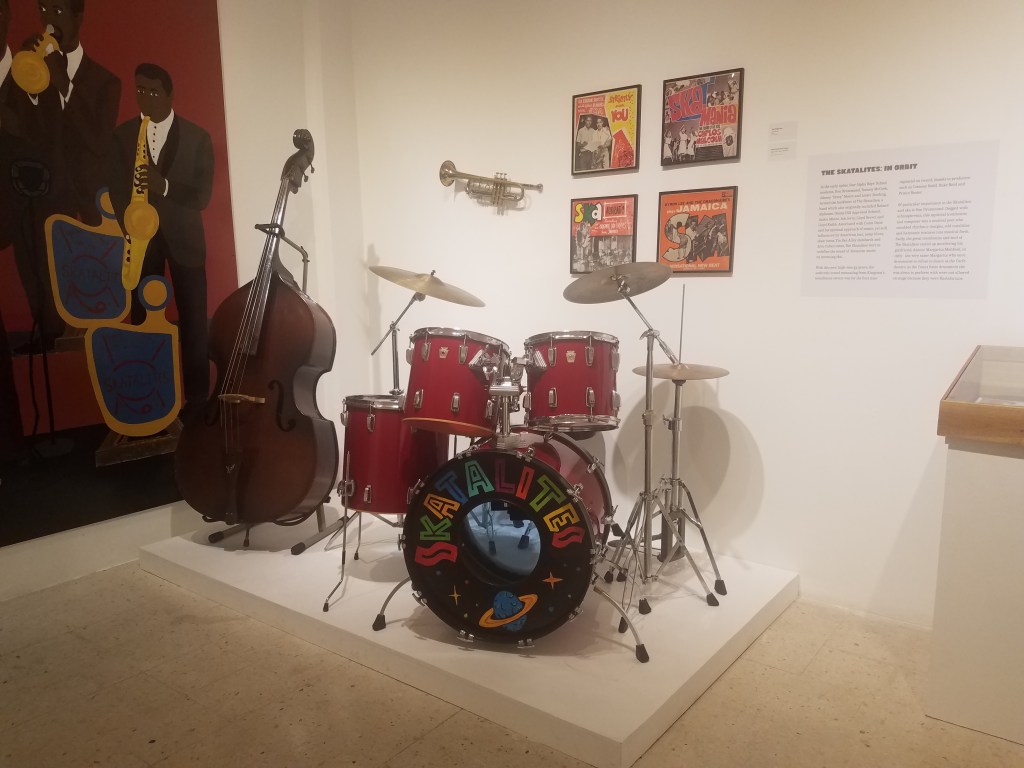
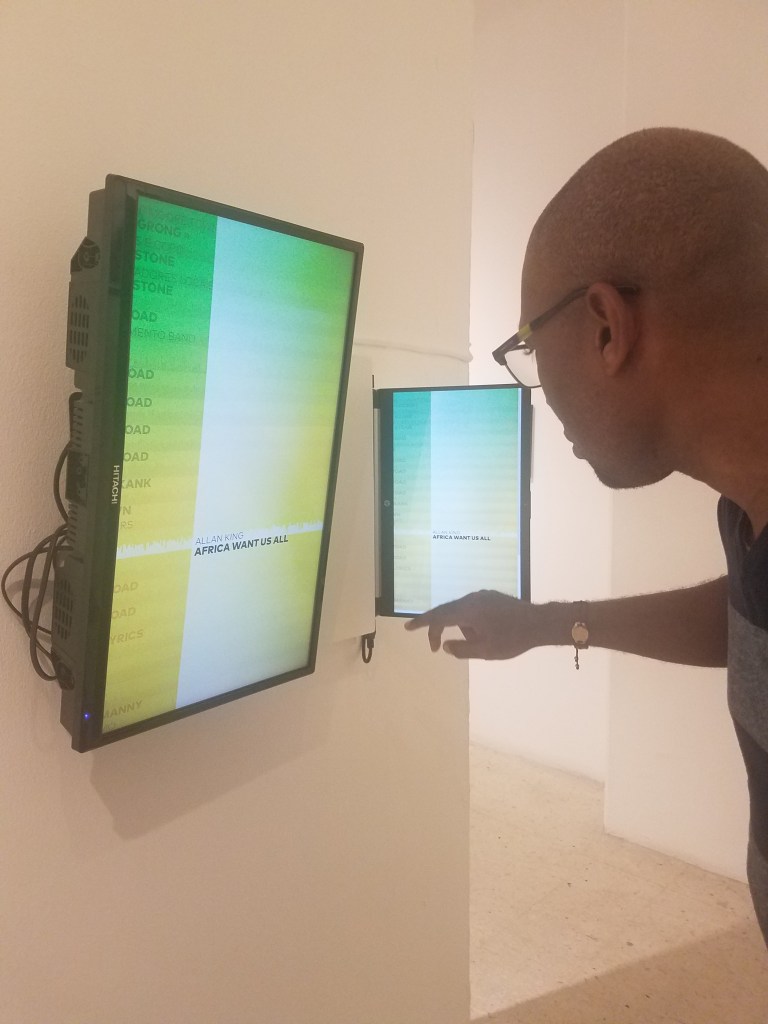
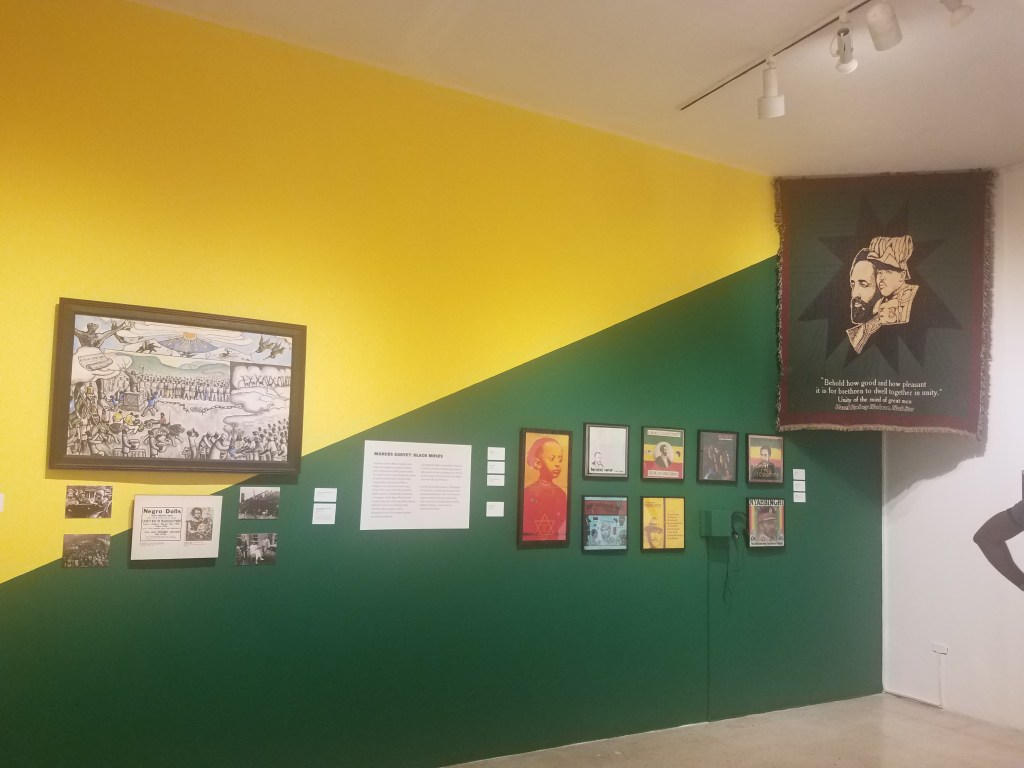
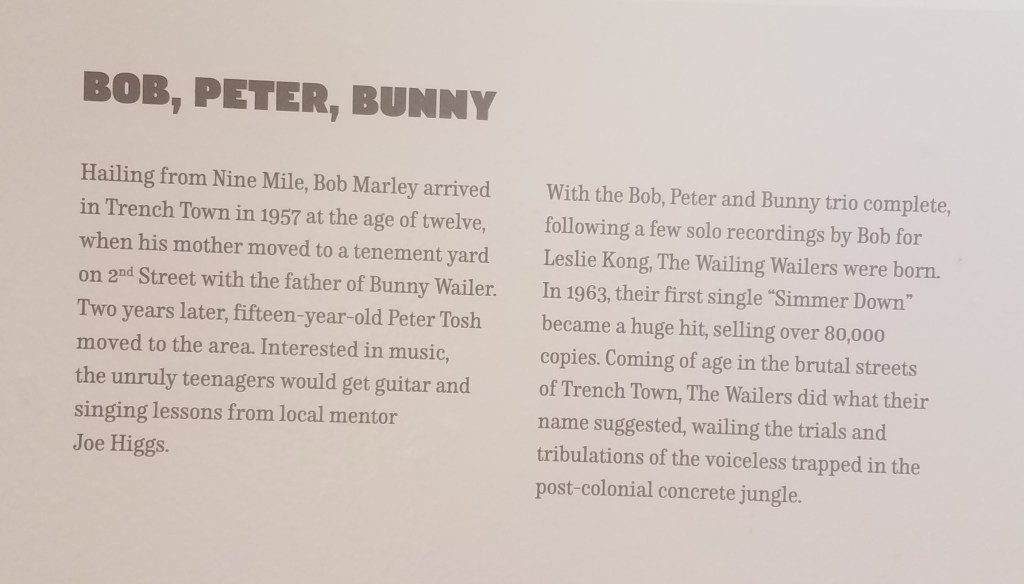
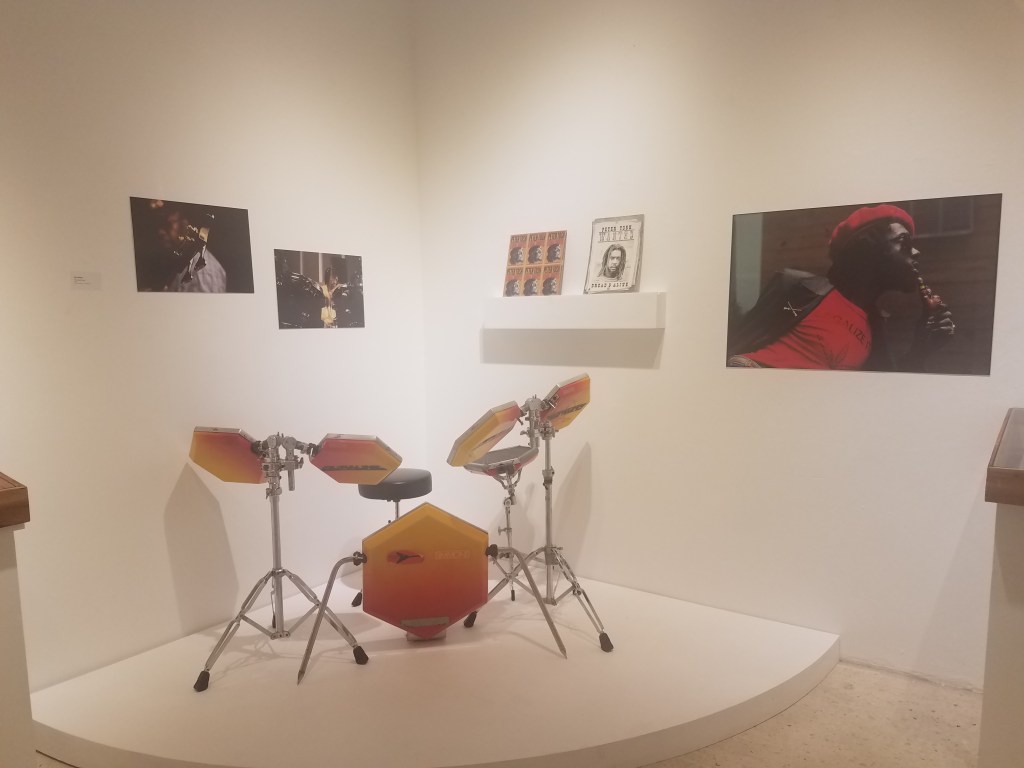
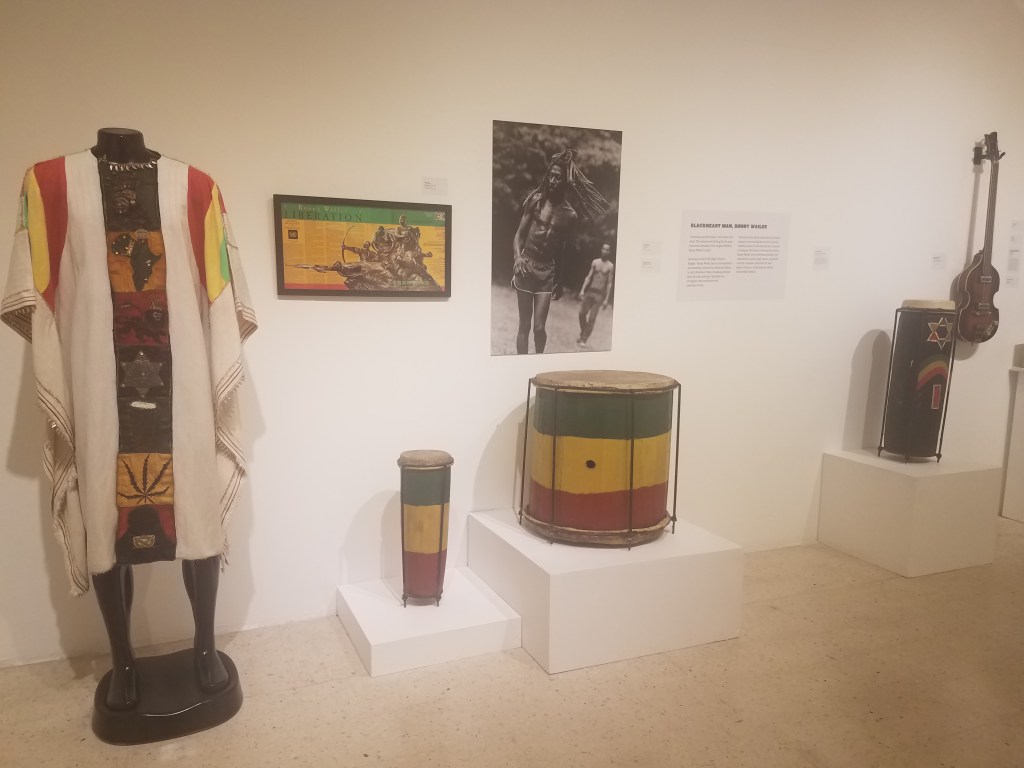
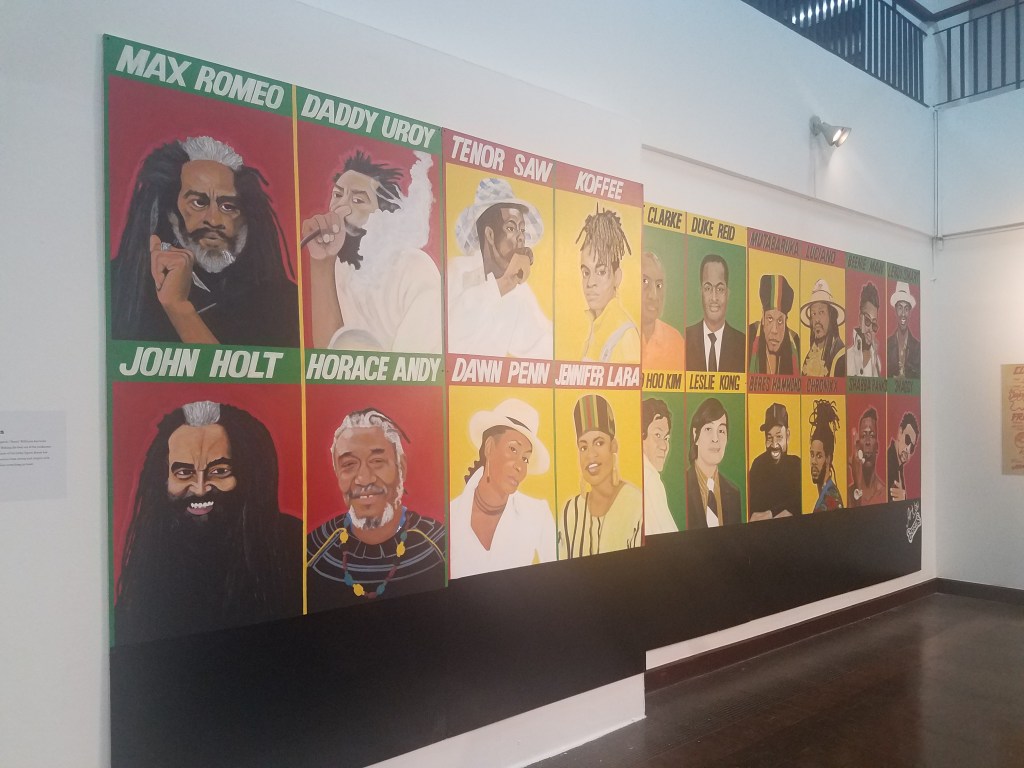
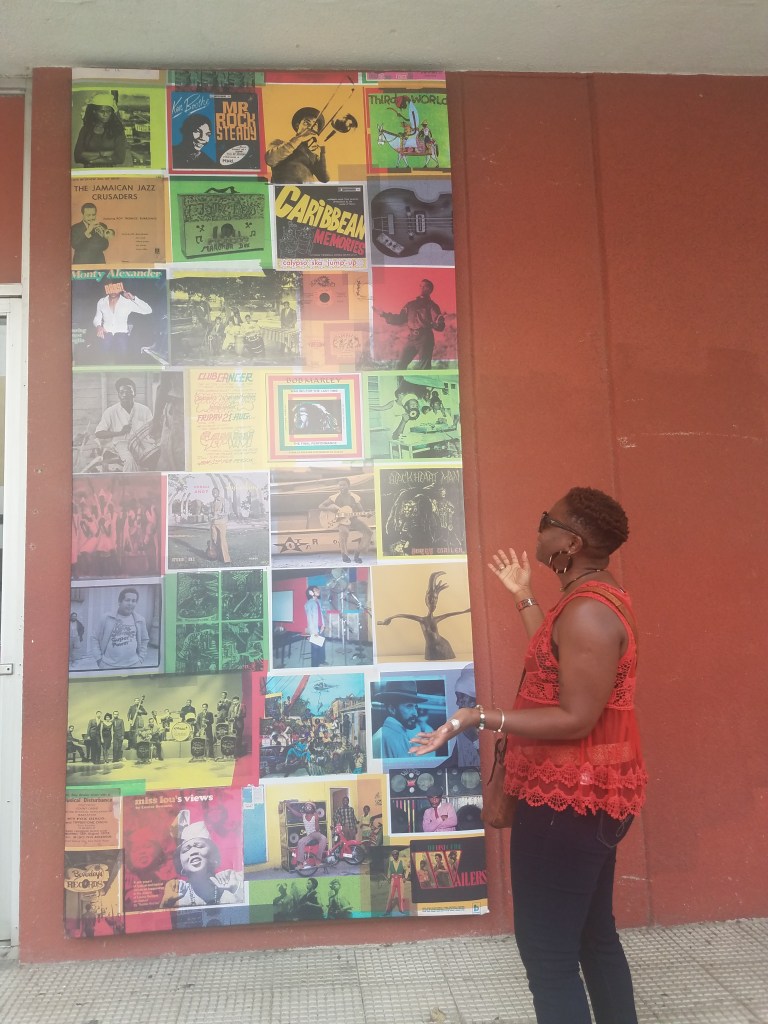
My friend Rohan met me at the airport and basically told me that we were going to visit the National Gallery of Jamaica to view an exhibition on reggae – this is how well he knows me. No need to go home, no need to eat, just straight from the airport to the National Gallery to immerse myself in the history of reggae: Jamaica Jamaica! How our Music Conquered the World. It was fabulous! It is also an exemplar of why Kingston received recognition as a UNESCO Creative City and proudly proclaims such at the entrance to the arrival hall at Norman Manley International Airport.

The photos I’ve shown cover ten percent of the exhibition at most. Jamaica Jamaica! is worthy of a special visit to Jamaica, just to understand and celebrate the awesomeness of Jamaica’s musical and cultural contribution to the world. It runs until June 28, 2020, so who knows, maybe I’ll be celebrating my birthday there again this year 😉.

Hiking in Blue

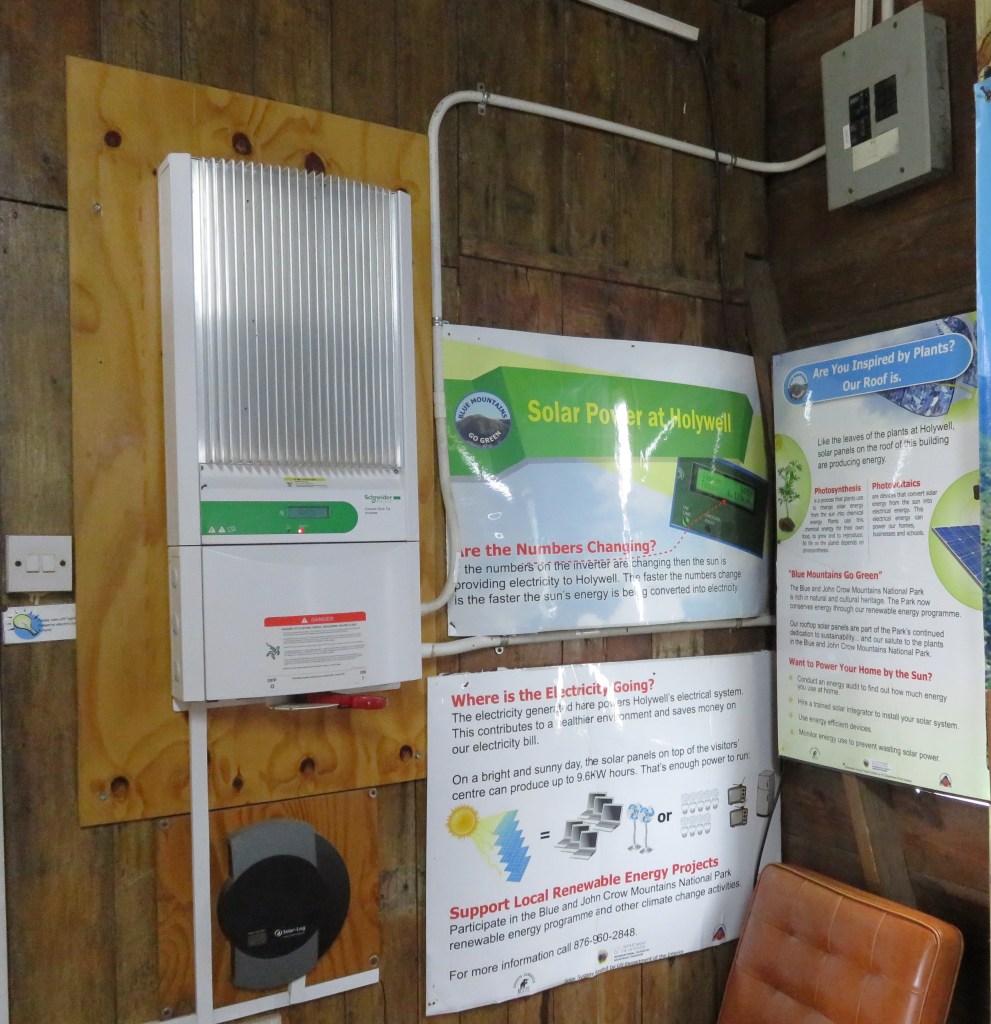
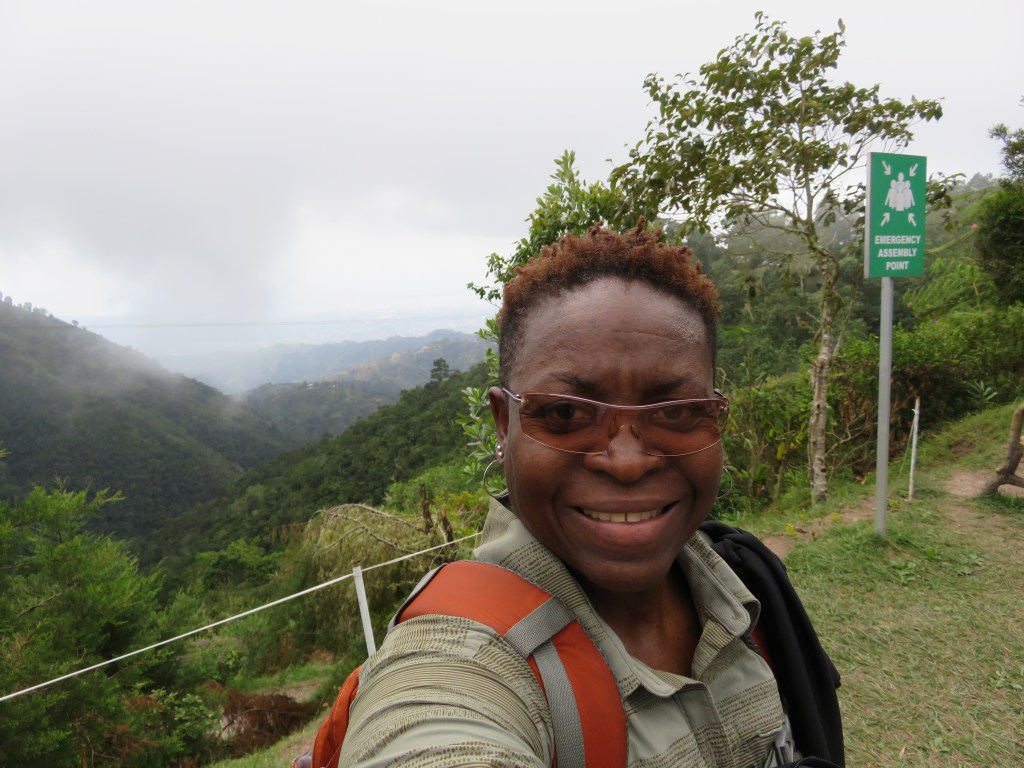
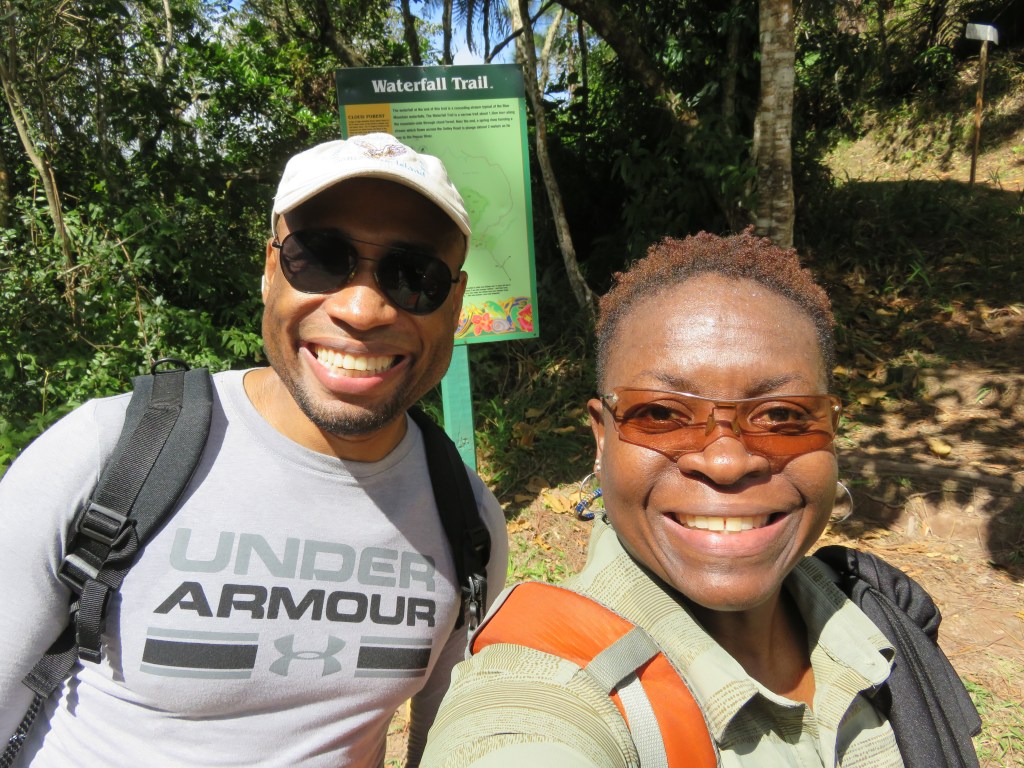
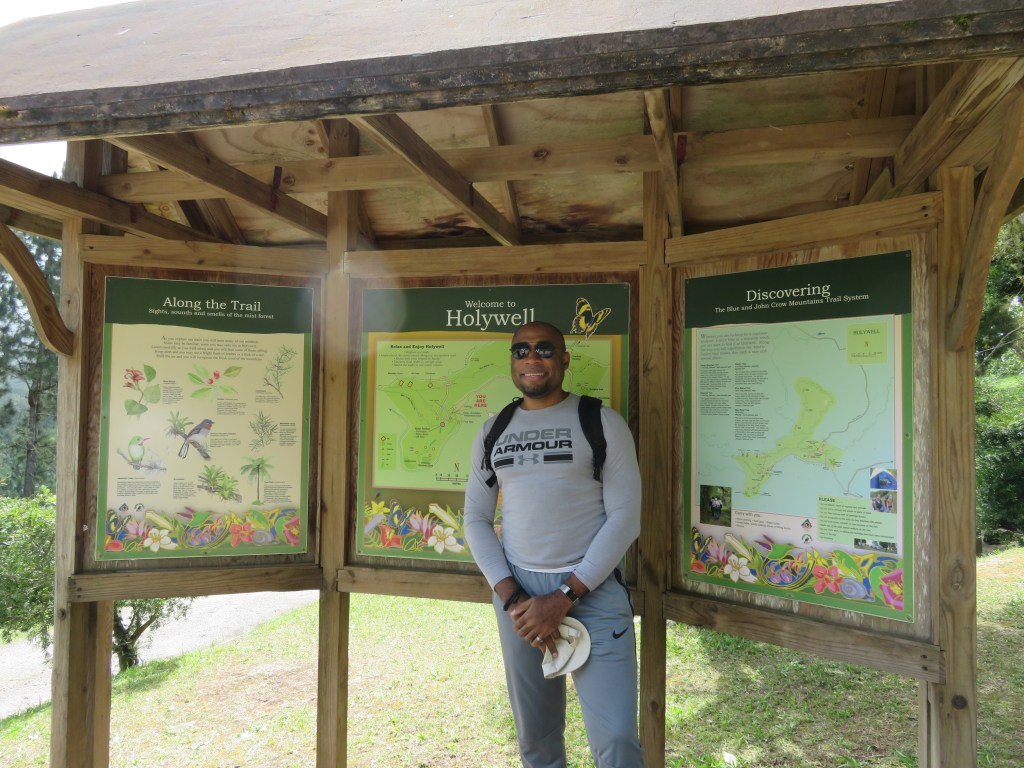
I have big plans for hiking this year that include hiking in each country I visit. I’ve hiked in Jamaica before, but not with Rohan because he’s usually working while I’m doing research or vacationing (someone has to do it) research. This time he and two others joined me to hike in Holywell Park in Blue and John Crow Mountains National Park. Why the BJCMNP? Who hasn’t heard of Jamaica’s Blue Mountain? It’s famous for a lot more than coffee.

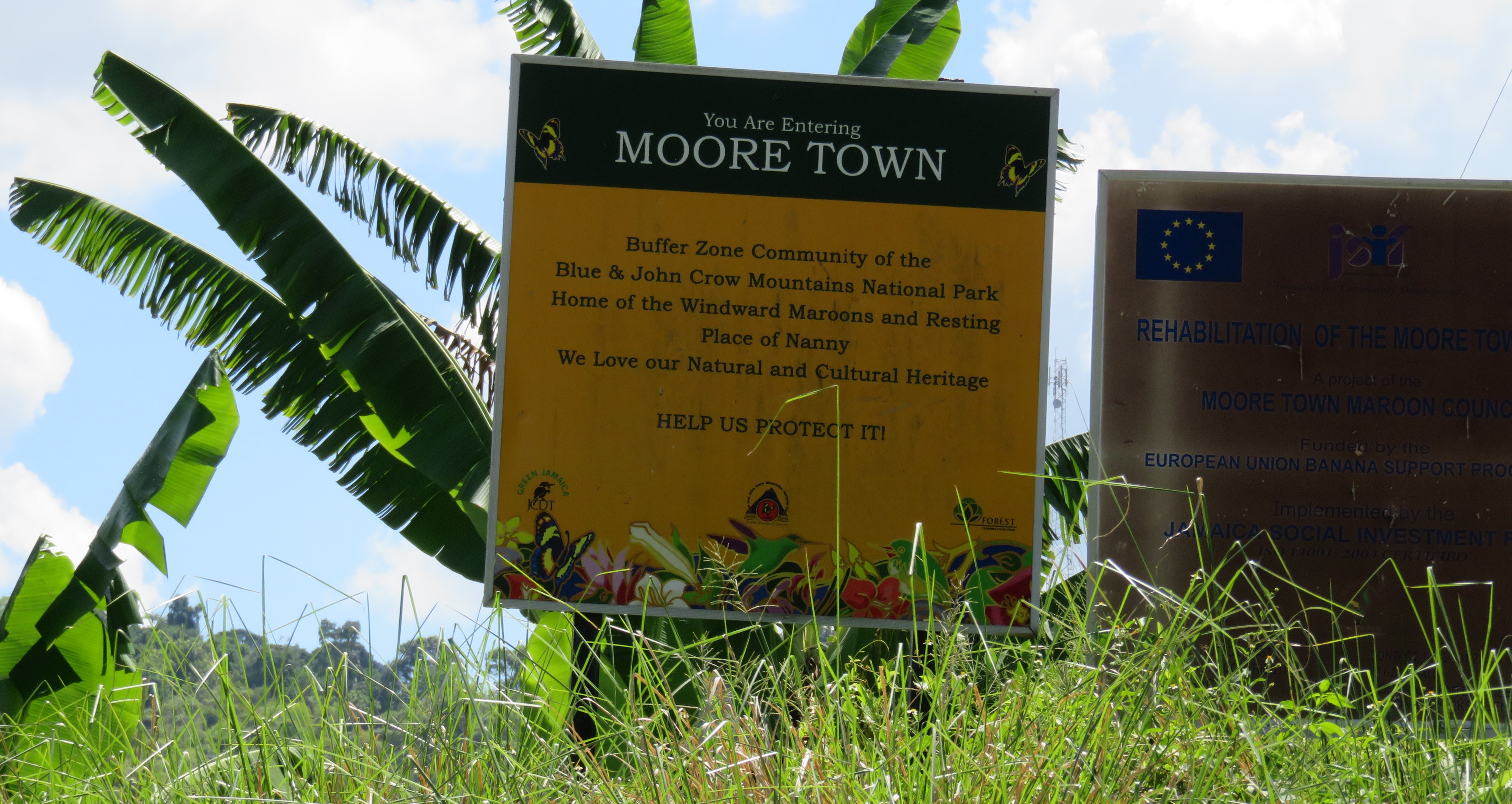
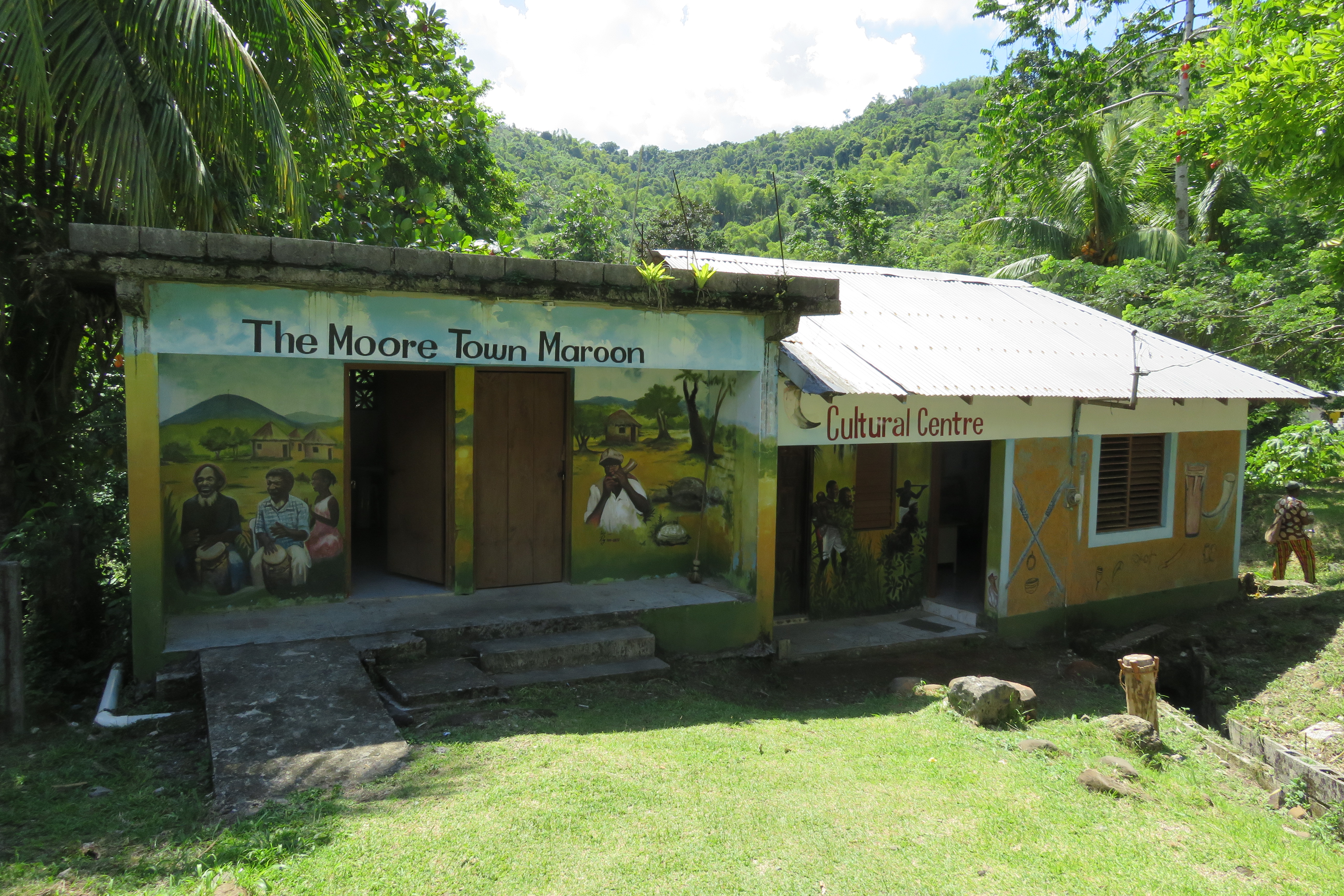
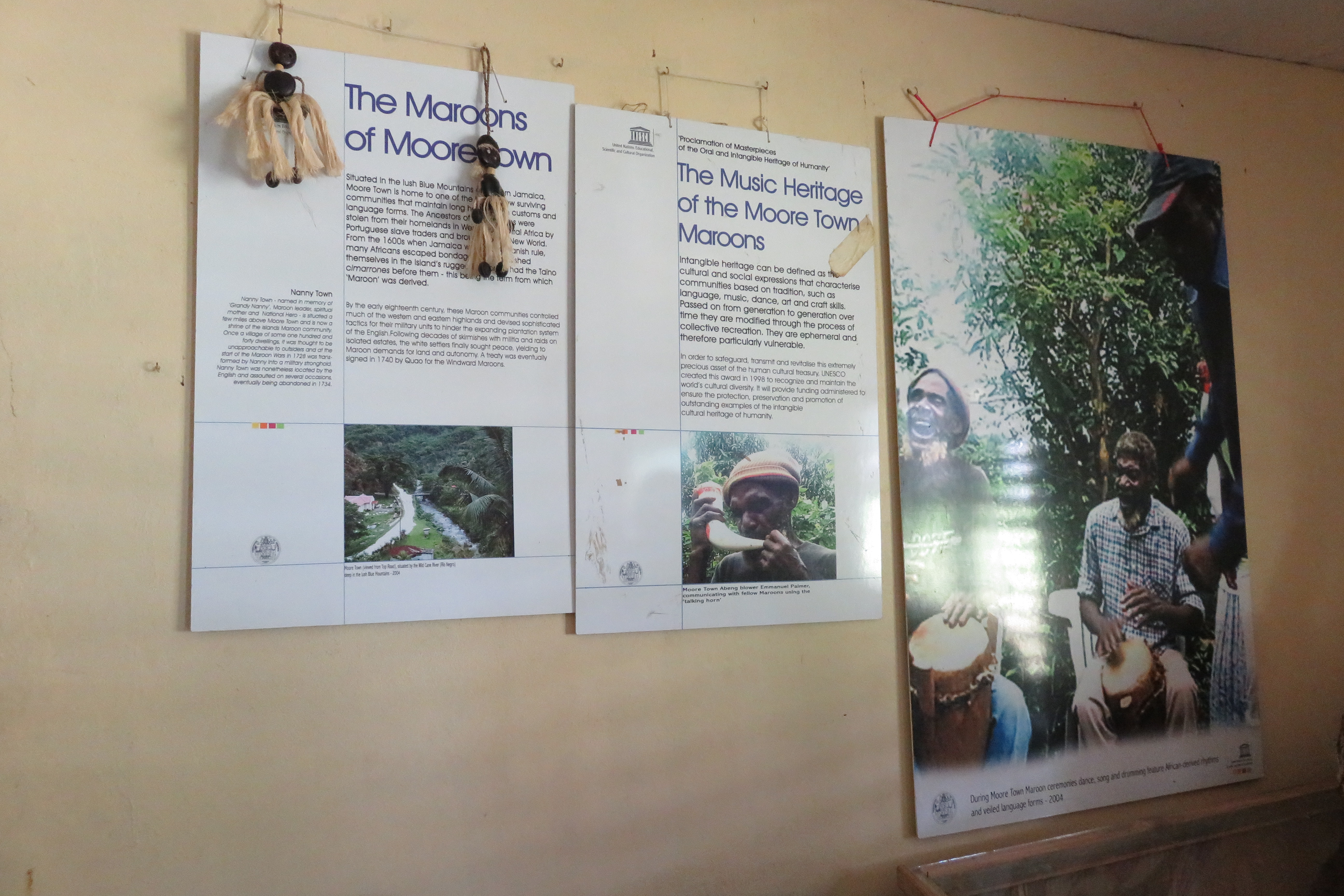
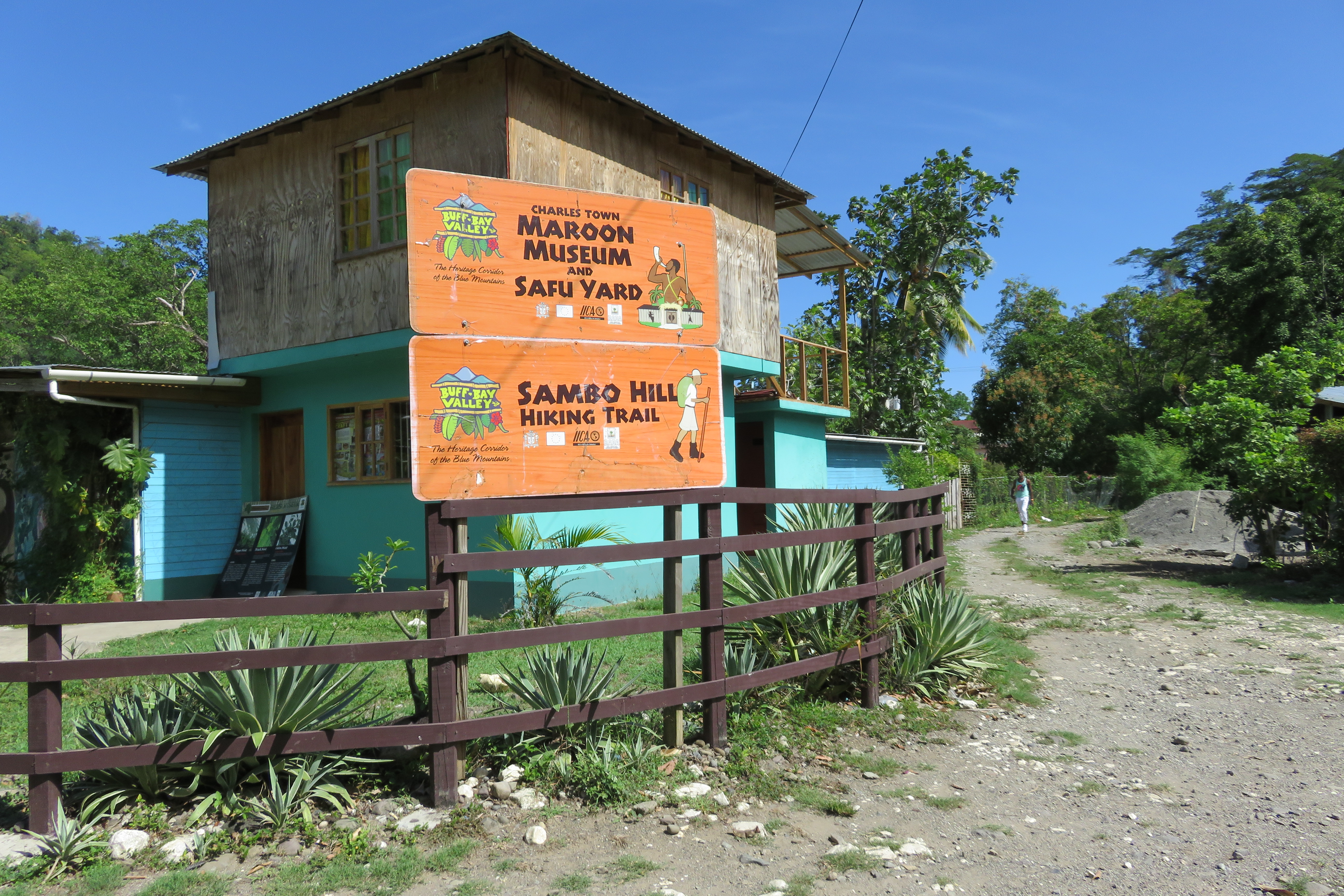
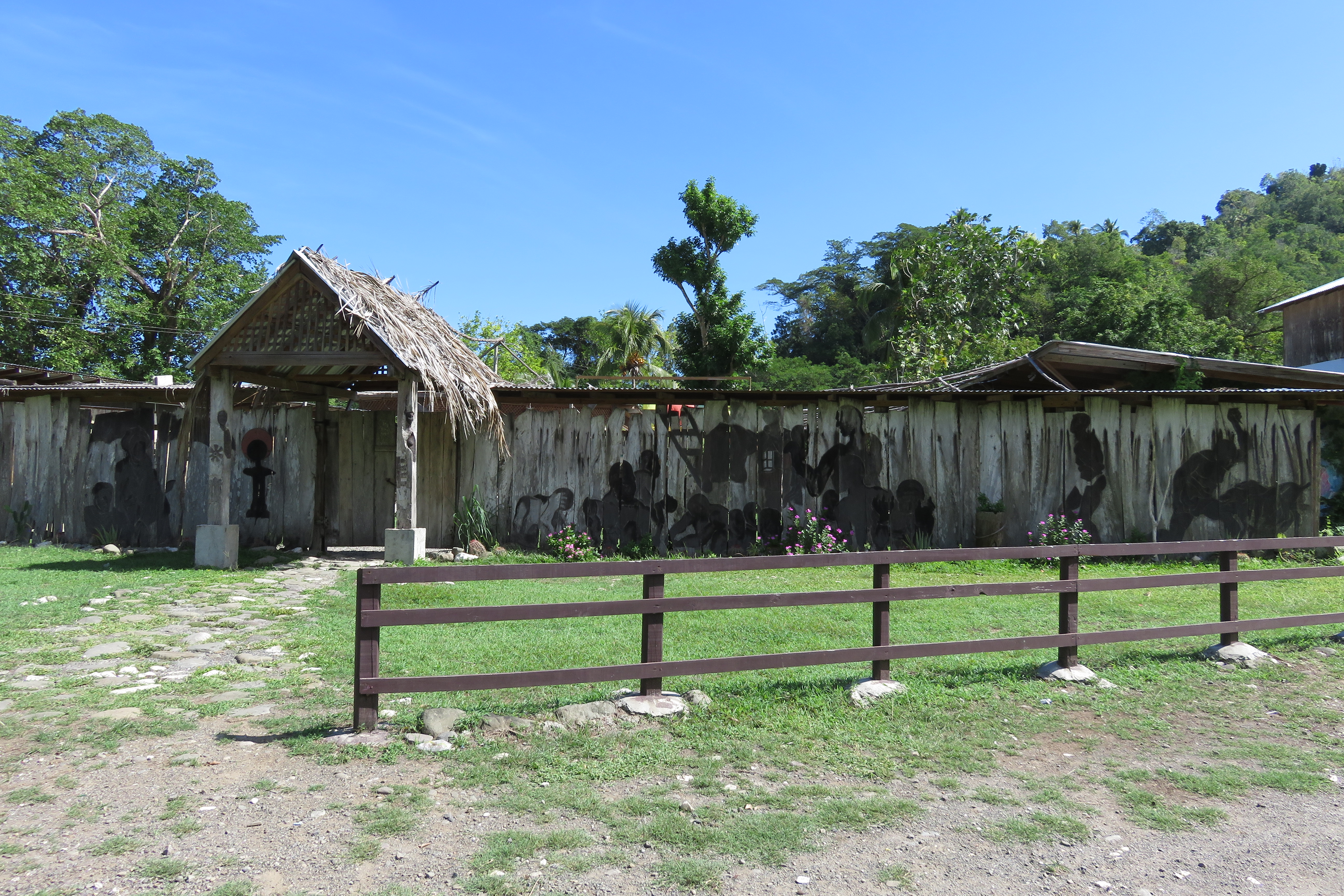
Long before Blue Mountain coffee was known worldwide, the Blue and John Crow Mountains provided refuge to the Maroons – indigenous Tainos, formerly enslaved Africans freed by the Spanish, and escaped enslaved Africans fleeing the British, who resisted capture and established communities of their own. Descendants of the Windward Maroons still reside in communities in these mountains – Moore Town, Charles Town, Cornwall Barracks/Comfort Castle, and Scotts Hall. In 2003, UNESCO recognized the music of the Moore Town Maroons as a ‘Masterpiece of the Oral and Intangible Heritage of the World’ (UNESCO, 2020).

BJCMNP comprises an area of 41,198 hectares, protected in some form since 1937. In 1993 several forest reserves were combined to create BJCMNP, Jamaica’s first. The park’s 26,000 hectare Preservation Zone was inscribed on UNESCO’s World Heritage list in 2015 as a mixed cultural and natural heritage site. To put this designation into context, there are currently 1,121 world heritage sites of which 213 are natural and 869 are cultural. There are only 39 mixed heritage sites and BJCMNP is the sole one in the Caribbean. In addition to its Maroon heritage, the park is important for its biota which includes 500+ species of fauna, 1,300+ species of fauna, and 30% of Jamaica’s forest cover. The park also protects critical watershed and offers many other ecosystem services.

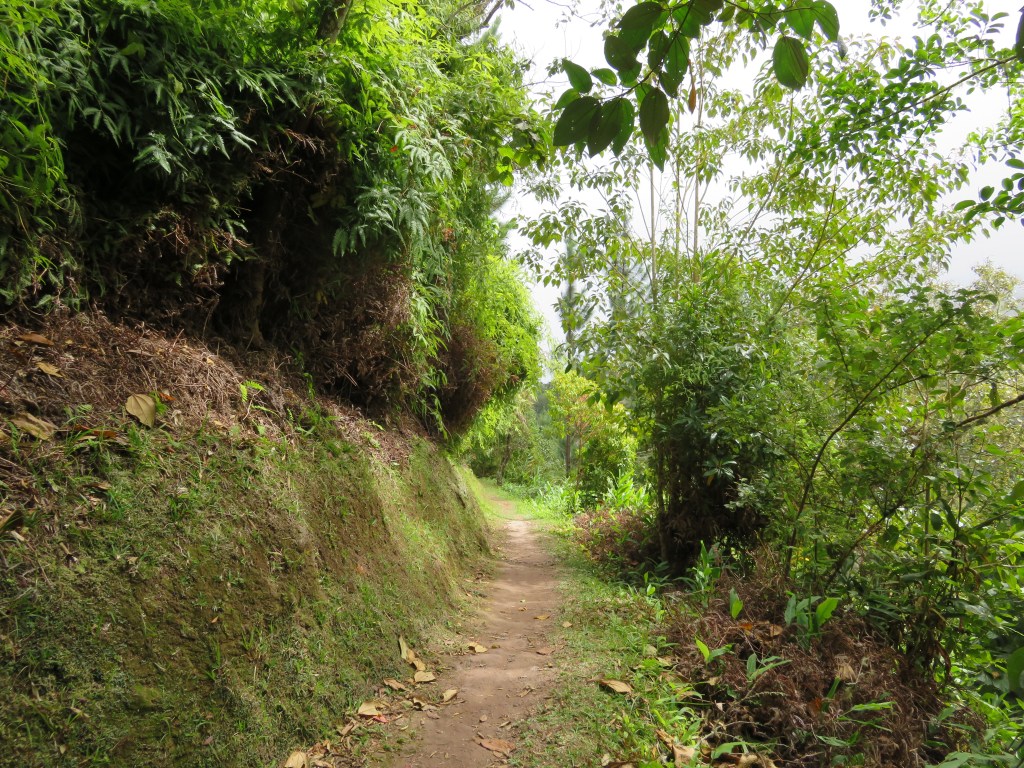
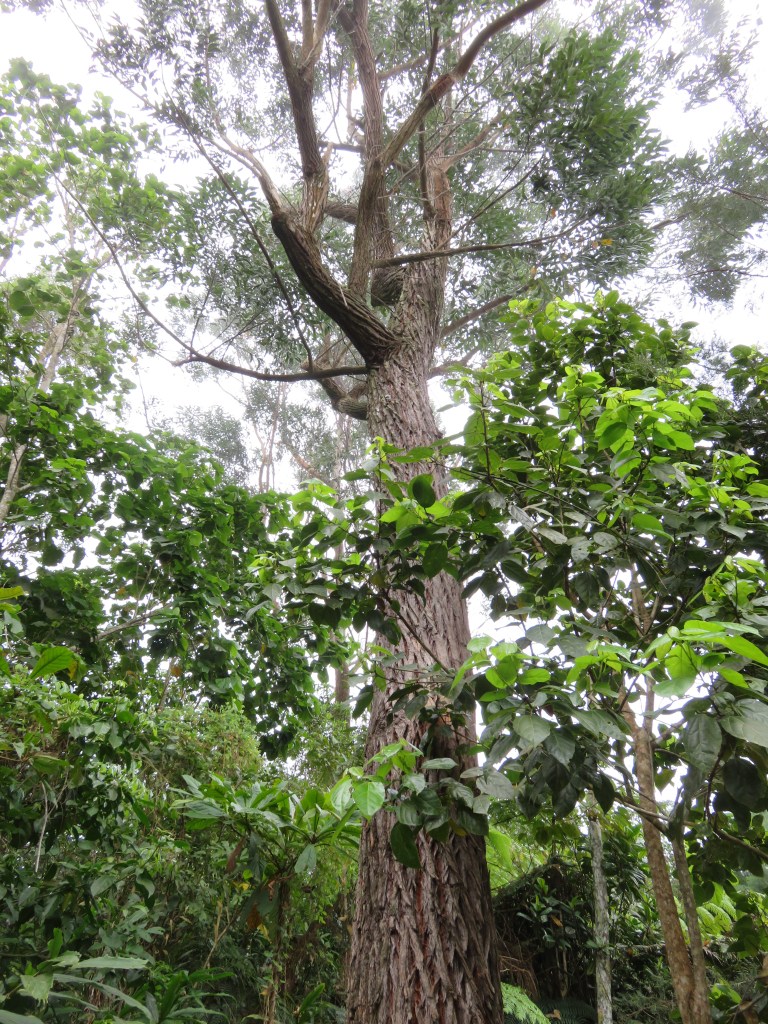
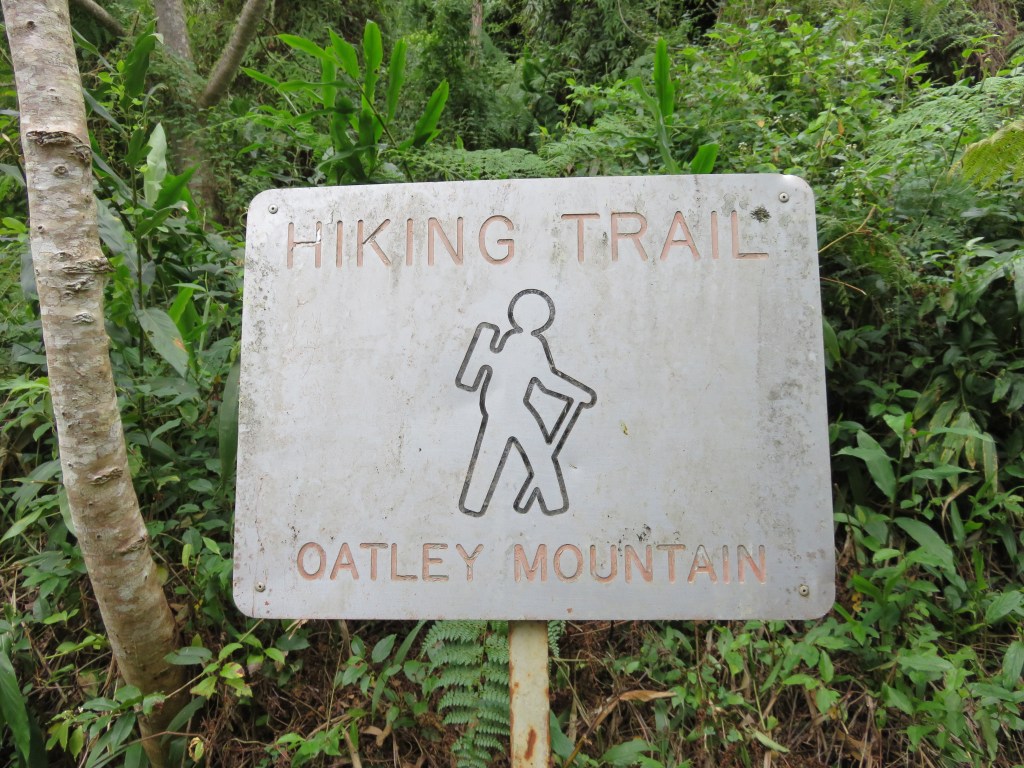
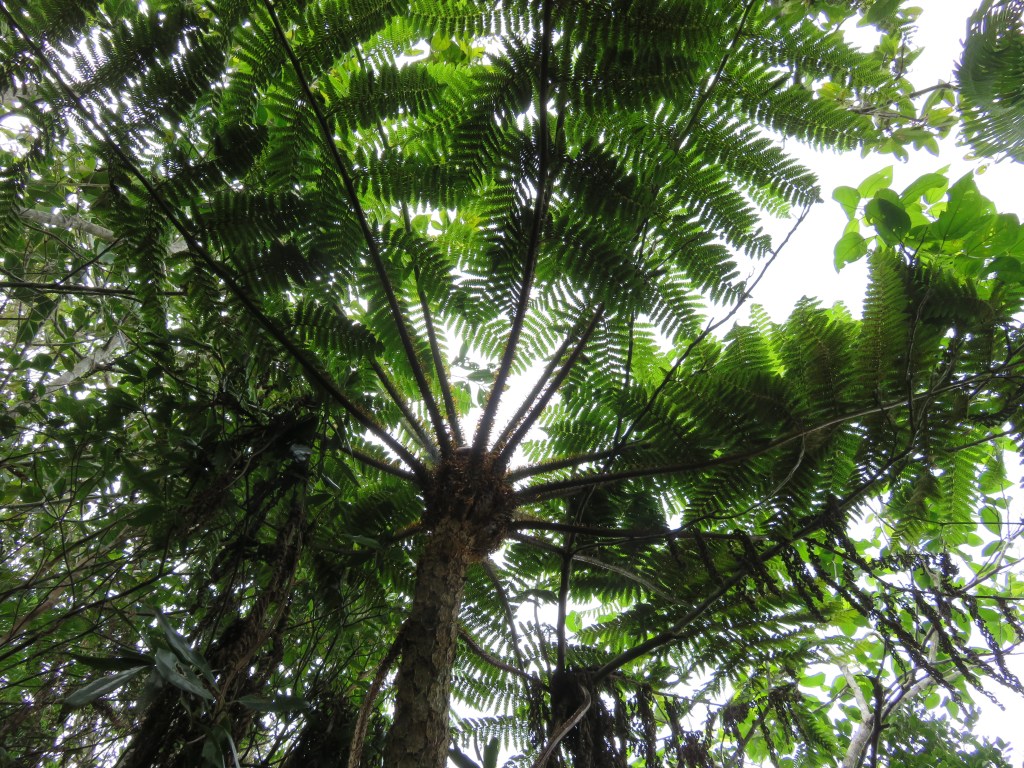
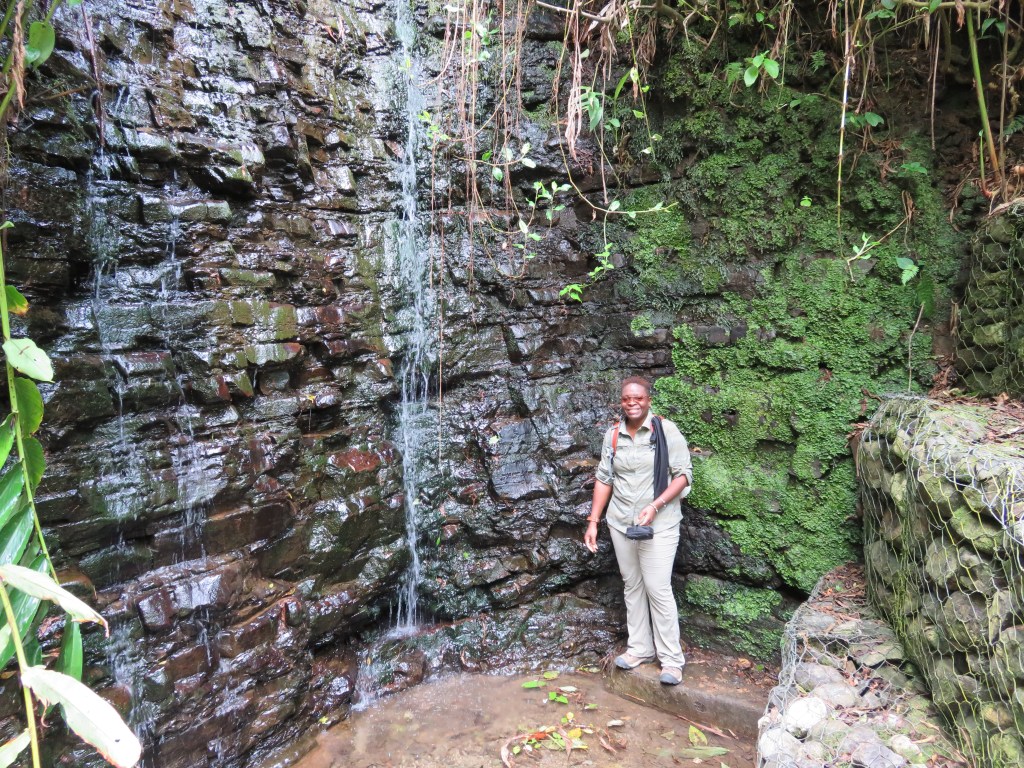
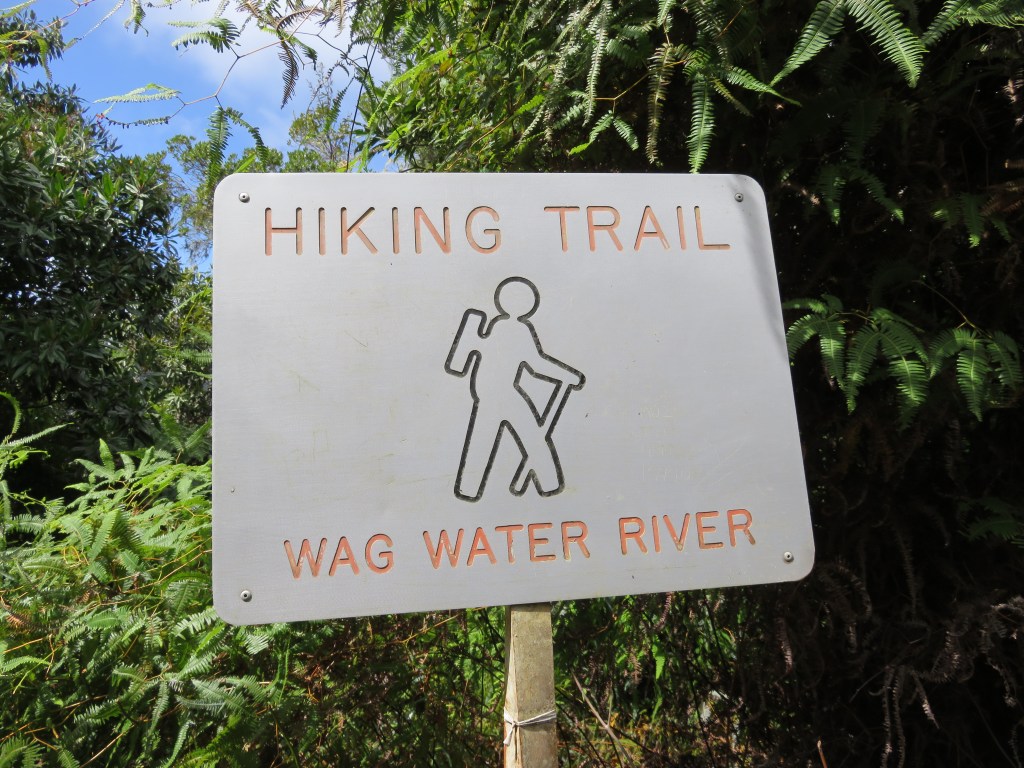
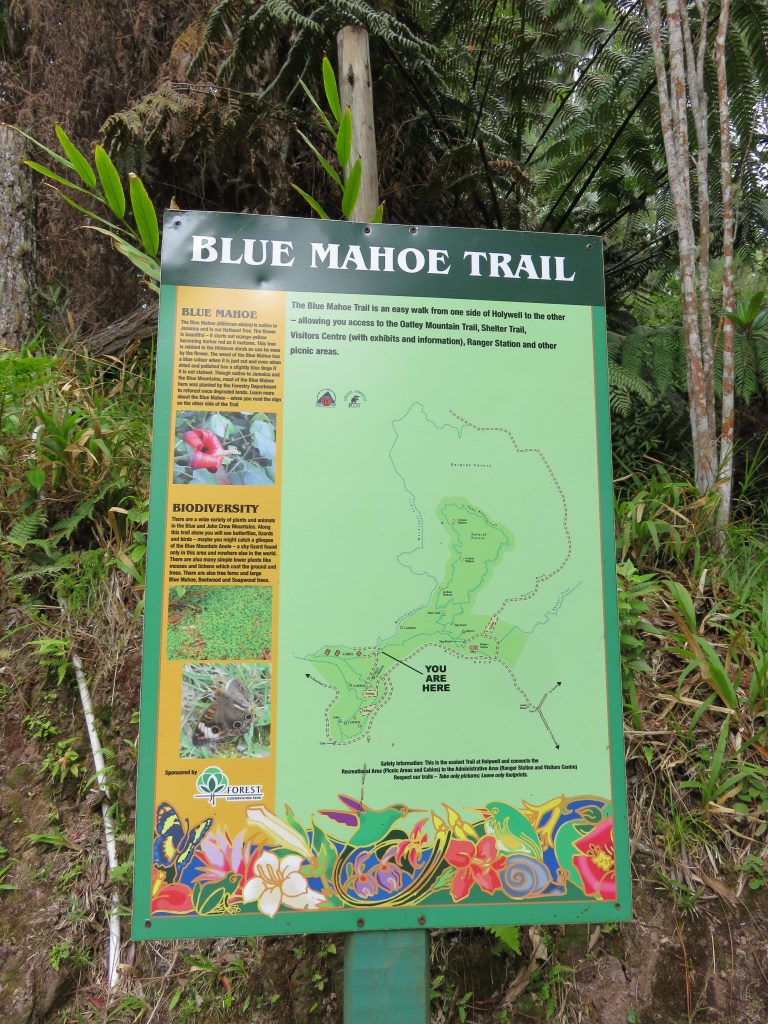
There were various trails close enough to Kingston to do a good day hike. Of the alternatives presented, I selected Holywell Park because it is in BJCMNP and met the criteria I had in mind for this hike: short and low impact because I planned to take it easy in the week leading up to the Great Train Hike I would be doing in Barbados a week later. That was the plan. The hike was relatively short at 5-6 miles, but there were some inclines that really got my heart pumping and legs burning. We did four of the five trails: Blue Mahoe, Oatley Mountain, Waterfall and Wag (pronounced “wog”) Water (accidentally). It was my first hike (but not visit) in BJCMNP and I hope to hike the Blue Mountain Peak Trail soon. I’d also love to return to Holywell Park and stay in one of their cabins (preferred) or camp. See more info about BJCMNP at www.blueandjohncrowmountains.org/.
Food … of Course

Food is intrinsic to culture and I enjoy dining at different restaurants each time I’m in Kingston, though there are a few with repeat visits. Fortunately for me, there’s a good range of restaurants and new ones often pop up. Plus, Rohan is on the ground and usually (there have been questionable ones) recommends very good ones. I tend not to name restaurants when I talk about food, but I’m happy to promote my Caribbean. Since I’m not a food blogger and more prone to taking photos of trees (dead or alive) than food I’m about to eat, I seldom have photos to accompany my food comments 😕. This was a quick trip so there’re only a few restaurants to mention.

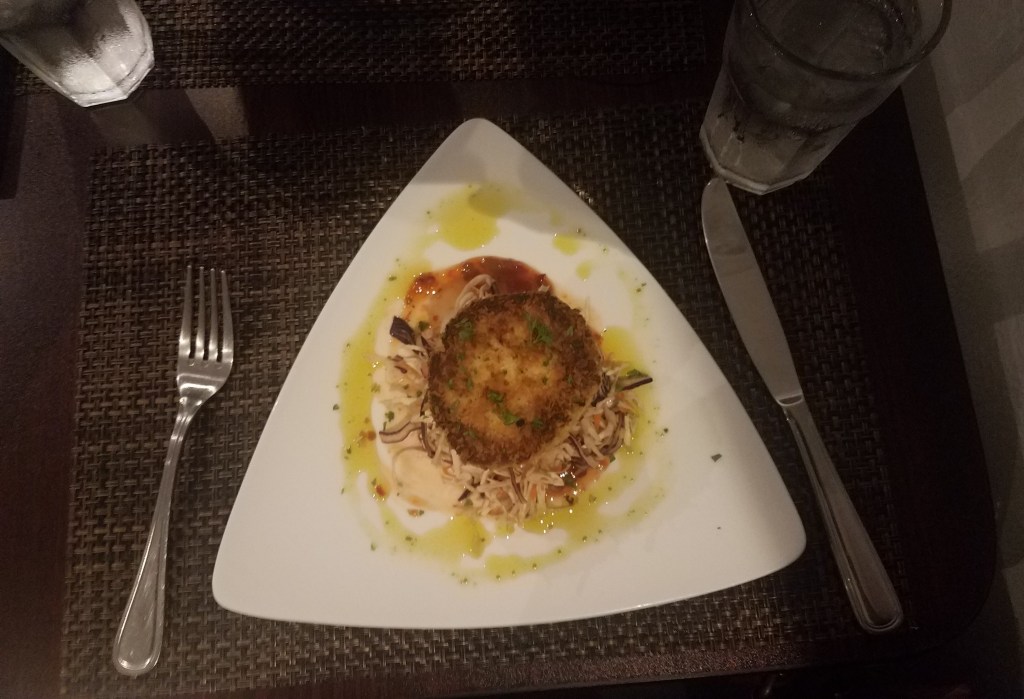
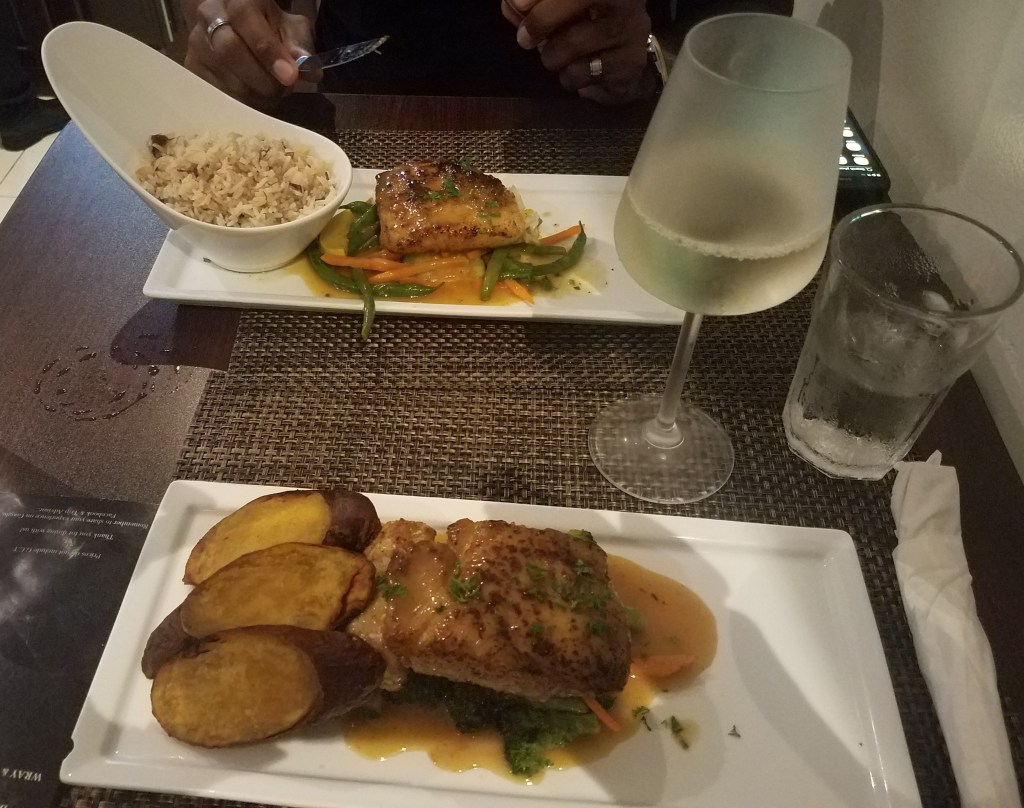
Broken Plate is relatively new (I think around 2 years) and offers an interesting menu. I had crab cake for my appetizer and pan seared snapper with sautéed veggies and roasted sweet potato as my main, along with a glass of pinot grigio. I also tasted the almond & cranberry rice pilaf. The meal was excellent as was the service. I would dine at Broken Plate again.

Devon House is Devon House. I have not noticed any decline in ice-cream quality in the twenty something years I’ve been enjoying it; locals may disagree. While I like to try different flavours this time around I only had coconut, one of my favourites, because I only ate ice-cream on one occasion. My sole complaint is that I got ice-cream at an off-site ice-cream parlour and not on the grounds of Devon House, so whilst the company and conversation were good, the ambiance was decidedly different.

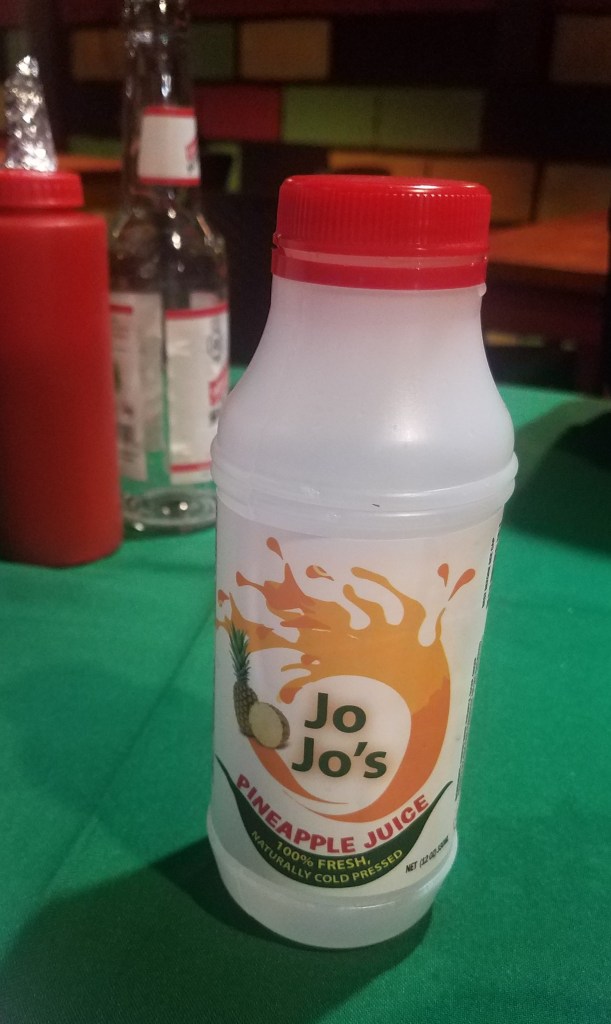
Island Grill is a staple. On several occasions, it’s been my first meal after landing. I can count on them for good fried (ripe not green) plantain, jerk chicken, festival and coconut water. JoJo’s Jerk Pit is several notches higher and now rivals Scotchies in MoBay (another favourite). We went to JoJo’s around 10:30 pm one night and I was extremely happy that the kitchen was still open with the full menu available, because by that time my belly was touching my back. I had jerk chicken (cause it’s a jerk pit), with, you guessed it, fried plantain, roasted sweet potato (good but not as good as Broken Plate’s), and steamed veggies. JoJo’s offers an extensive menu though you wouldn’t have guessed it from my selection. My beverage was their branded pineapple juice with a hint of ginger – deliciousness. Notwithstanding her jokes at my expense – ripe vs green plantain – our waitress was awesome. This dining experience wasn’t my first with them, and is unlikely to be my last.

I don’t know why I took a photo of my juice bottle, but I did, so here it is 😏.

Likkle more, Jamaica 😘. Bim uh on muh way!

Why Ride When you can Hike? Or StinkaMissy’s (Mis)Adventures in Cycling

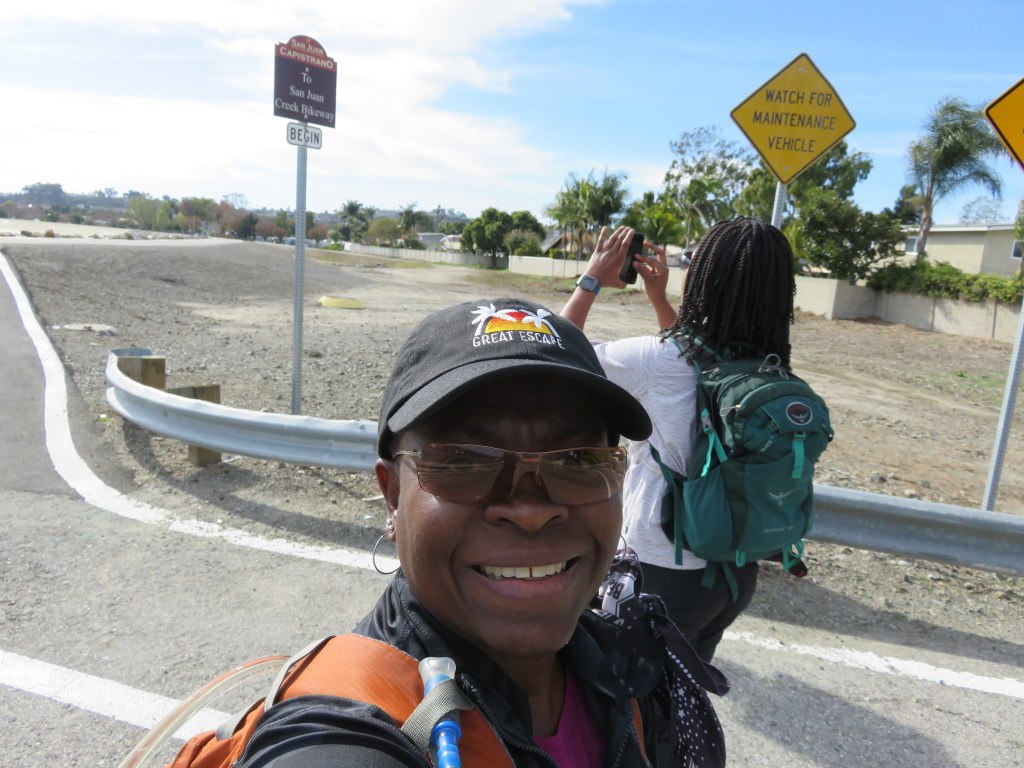
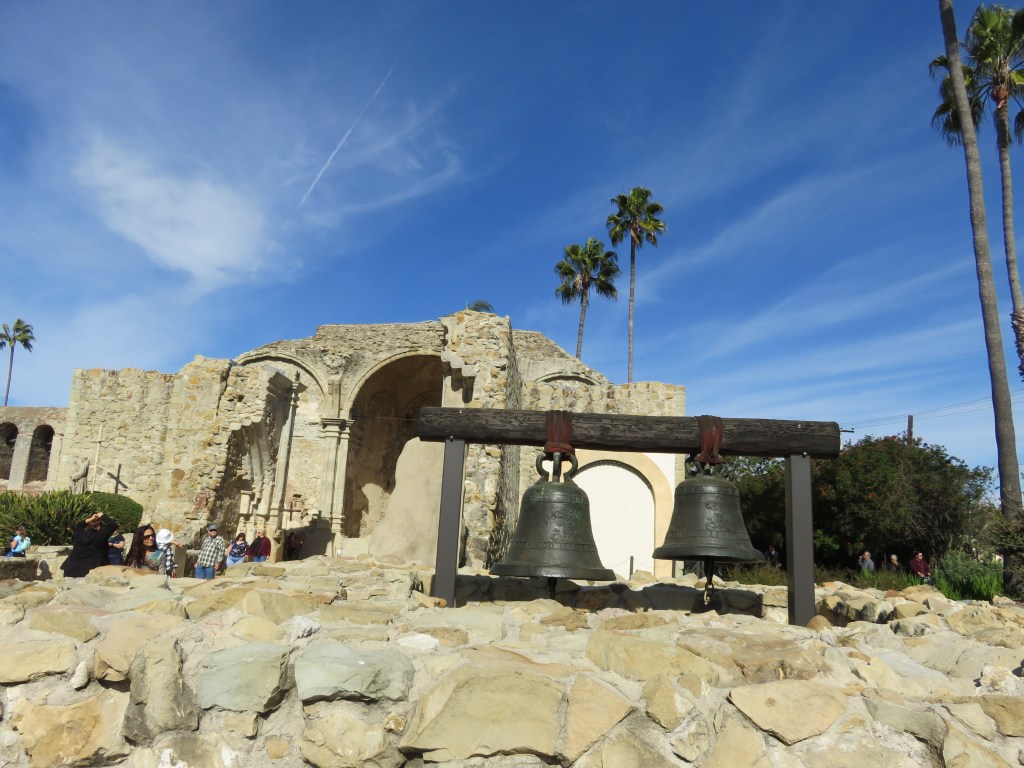
I recently took a train ride to San Juan Capistrano with friends. It was terrific. In San Juan Capistrano, we toured the mission (one of 21 Catholic missions in California with not so terrific history where Native Americans are concerned). Then two of us (guess which two) hiked about 9 miles to San Clemente, while the rest of the group rode their bikes. Why was I hiking instead of cycling with them? It’s a long story but I’ll try to be succinct.

Holding a Grudge Much?

Growing up I didn’t have a bicycle. In fact, I didn’t learn to ride until I was about 15 or 16. In my family, children didn’t have bicycles because our family couldn’t afford them. Some adults had bicycles but they used them more for transportation than for fun. I have many, many memories of being transported on bicycle bars, especially to kindergarten during the week and from church on Sundays. I also remember that once when we were children my sister was accidentally dragged by a guy riding a bicycle who wasn’t paying enough attention to where he was going. I was both scared and angry (his name is/was Lawrence Best – I have a long memory and I can hold a grudge). I think it was either after Sunday morning church or outside our church fair. Anyway, I digress. The point I was getting to is the fact that children in my family not having bikes changed with my brother.

No that’s not me in the photo, but it is the bicycle in question. That darn BMX.

When my brother was around 9 years old, my uncle gave him a BMX bicycle for his birthday. If I didn’t know before that I’d been displaced by my brother as my uncle’s favourite, that gift confirmed it. I think I’ve finally let go of that grudge. Can you tell?

Anyhoo, that bicycle turned out to be a blessing and a curse. I learned to ride it, but I also became the errand person because of it. My main errand/chore/punishment (really depends on one’s perspective) was riding from my grandmother’s house, “down de hill” to my mother’s house to turn on or off the sprinklers in the garden. Of course riding down a hill, however slight, required going back up. However it wasn’t riding up the hill that was the big problem because I liked riding, it was more that I was often asked to do this chore when I was doing or could be doing other things, like reading, watching TV or chatting with my friends. I don’t remember when I stopped doing that chore, but it was probably when my brother started to ride more and I couldn’t use the bike. After that, it was probably another 15 years before I got on a bike again.

Parked and Huffing

When I was preparing to go to Florida to do my PhD, I researched the area surrounding the university and where I would planned to live. It was walking distance between home and campus and I decided that a bicycle was a good idea. So what if I hadn’t ridden in 15 years? Gainesville was one of the most bicycle-friendly towns in Florida, so I figured it would be a good place to start riding again. Plus it would be good exercise and good for the environment. So I got a bike. Before I could ride it once, one of my professors (an avid rider) told my class that close to the start of the semester, a cyclist was killed in a collision with a car. That was just the most recent accident. Incidents involving cyclists and vehicles were on the increase. The bike remained parked in my condo, though I for sure rode it once or twice in the parking lot. I really had no strong incentive to ride, so I didn’t. There was a dependable bus system in Gainesville and I was also close enough to campus to walk. I had a car for the times when it was not convenient to do either. I eventually gave away the bike and I hope at least one person got more use out of it than I did.

My next experience with a bike was also while I was in grad school. I was consulting on a project in the Cayman Islands and my friend and I went over to Little Cayman to work with a couple of hotels. The hotel where we stayed provided bikes for guests and my friend suggested we ride to one of our other properties instead of walking or driving. My response – I haven’t ridden a bike in almost 20 years. Hers – no big deal, it’ll come back to you. It was a Huffy bike. The brakes were not controlled at the handlebars like every other bike I’d ever seen. I had to back pedal to slow down and stop. It was very strange. Fortunately, we rode to our site and back without incident. The riding was fine, stopping, less so. But that was Little Cayman, where there were few vehicles to contend with and even though the main road passed through the airstrip (or the other way around), it wasn’t busy enough to be a problem. So while that experience wasn’t fun, it wasn’t harrowing either. My next experience was more harrowing and even less fun.

Oceanside Capers

Perhaps I need to attempt outdoor cycling more often than every 10-20 years. Two years ago a friend in my outdoor group suggested we ride the train to Oceanside and then do a bike ride along one of the trails there. He helpfully provided information on a bike rental shop for those who didn’t own bikes. I researched, ruminated, and decided I would go, but I would rent a 3-wheeler instead of a regular bicycle. As it turned out the rental shop restricted the 3-wheelers to specific areas and 3-wheelers were banned from the trail we were supposed to be riding. Maybe there was some fine print I didn’t see or maybe the rental shop didn’t post the information, but my idea of riding a 3-wheeler was ‘through the eddoes’.

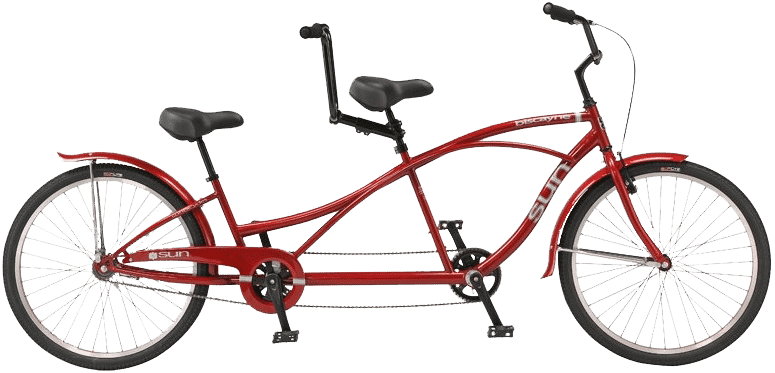
What to do, what to do? One of my friends was also without a bike (issues with the train had forced her to leave hers at a previous stop) so she planned to rent as well. The rental shop had a tandem bike and someone (not me) had the ‘brilliant’ idea that Tiffany and I should rent it. That person should be in idea jail. Tiffany and I tried and failed; we didn’t even make it more than 2 feet from the rental shop. We would probably have killed ourselves if we’d gotten any further.

Then there was idea number 3 – we each rent our own bikes. Let me just say, if you have not ridden a bicycle in a long time, a worn out bike with a seat and handle bar that can’t adjust is not the bike to ride. I got fed up of having the others wait on me and told them to go on their ride and I would do my own thing. It didn’t go well. I hope there’s no evidence of ‘my thing’; my memory is bad enough. Let’s just say if it were possible to die from embarrassment, you would’ve missed out on the retelling of the adventures I’ve had in the two years since and of this one. There was starting and stopping. There was lots of walking the bike. There was a slight incline. There was a chain link fence. And bruises. And a bit of blood. There was no one else involved. It was only me. There was also a steeper incline and some curvature of the trail, but by that time, I had the good sense to say no, no more. I was done! I nicely rode, walked, stopped and started the bike back to the rental company. I patted my pride on the back, told it the sun would come up tomorrow, and kept on walking.

Train ride back from Oceanside – no evidence of the trauma (thanks for photo Ivan)

Interestingly enough, it seems like I took no photos that day 🤔. The next time or two someone suggested a bike ride I kindly declined. The trauma was still too real.

Rails and Trails

So now here we are. It’s 2020 and time for SCOBA to ride the rails and trails again, but I’ve wizened up, because I’ve seen this movie before.

Those friends who shall not be named: Let’s ride the train to San Juan Capistrano and tour the Mission.

Me: Sure, I’m in 🙋🏾

Those friends who shall not be named: Then ride our bikes on the trail from SJC to the San Clemente Pier.

Me: Hmmm 🤔.

Those friends who shall not be named: Are you riding?

Me: Hell. To. The. No. 😒

Also Me: I’ll stick to walking, but thanks for asking (because it’s important to be polite and not drop expletives in friendly conversation).

My feet firmly planted on terra firma have not failed me yet. Not over 60 miles x 7. Not over the 5,000+ miles my Fitbit recorded over the last 5 years as I walked the equivalent of a trail around Africa – the continent – not the country (not bad considering I wear it less than half the day during the week and usually not at all for most of the weekend). BUT I spin about 3 or 4 times a week and I can ride hell out of a stationary bike 🤣. Indoors I ride well over 2,000 miles a year.

San Juan Capistrano to San Clemente

For anyone interested in the finer details of tourism, though I’d traveled around 90 miles to get to SJC and it is not my usual place of residence, I was not a tourist. I was an excursionist, visitor, or day-tripper because I did not spend the night. I visited a historic site that is popular for tourists, spent money on mementos in both destinations (because that is important), and ate dinner at the pier – all activities that tourists engage in, but the overnight part is a key component of the definition. Similarly, if I treat myself and stay in a hotel 5 minutes from home (as I did when I was working on my book 😁), I would not be a tourist.

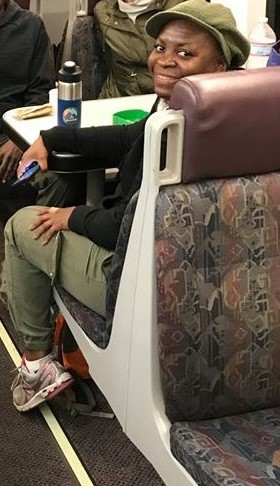
So this excursionist took the train to San Juan Capistrano, then hiked from there to the San Clemente Pier. Train rides are good. It’s nice to ditch the car and enjoy the experience of a group traveling together rather than in different cars. Train rides are also less impactful on the environment, so another win in my book. Plus everyone can see the scenery, join the conversation, people watch, etc. without having to pay attention to driving. The downside is that on weekends the train line in my area stops running fairly early, forcing me drive to LA to take the train from there to avoid rushing to get the one home. Still, taking the train is a very good alternative.

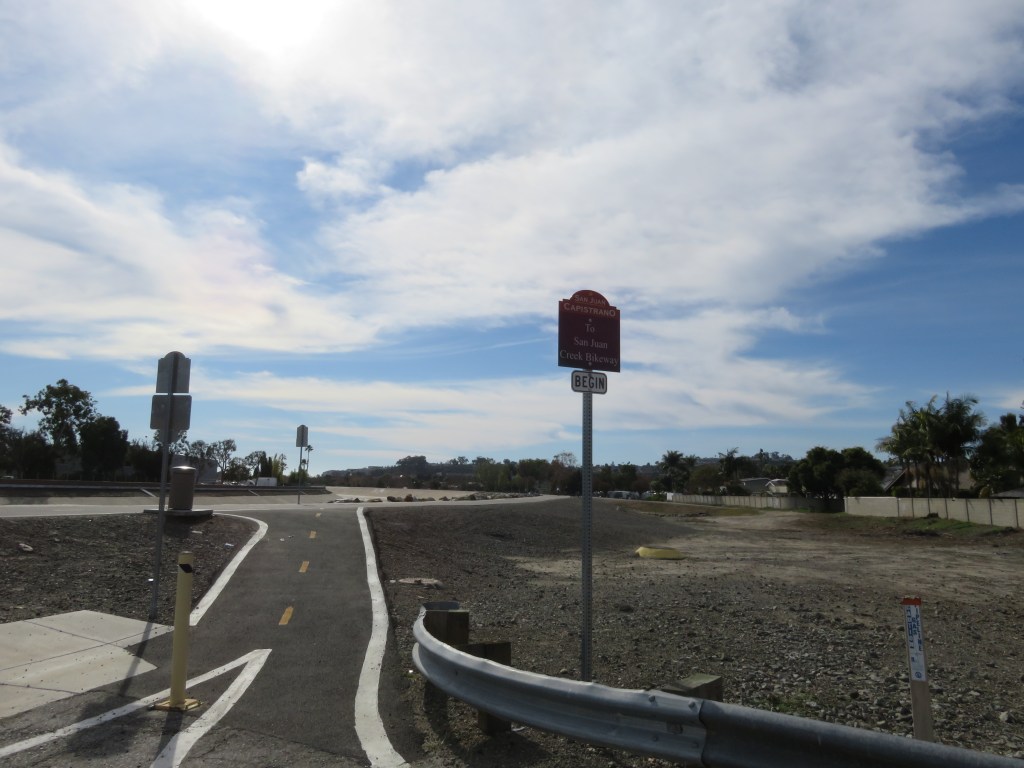
Since I decided in advance that I was not riding, I had the time to review websites for SJC and San Clemente so I could plan my activities in SJC and plot my route to the pier. I rely on websites to do most of my planning for travel and outdoor activities. If information isn’t available online it’s unlikely that I’ll plan to use a specific company, tour, etc. Since our train was scheduled to arrive in SJC around 10 am, I figured I had enough time to at least tour the mission, walk around a bit in the town, hike the 9ish miles to the San Clemente Pier, and finish in time to join the rest on the group on the 5:50 train back to L.A. I’d planned to hike alone but Jennetta decided to join me.

The Mission

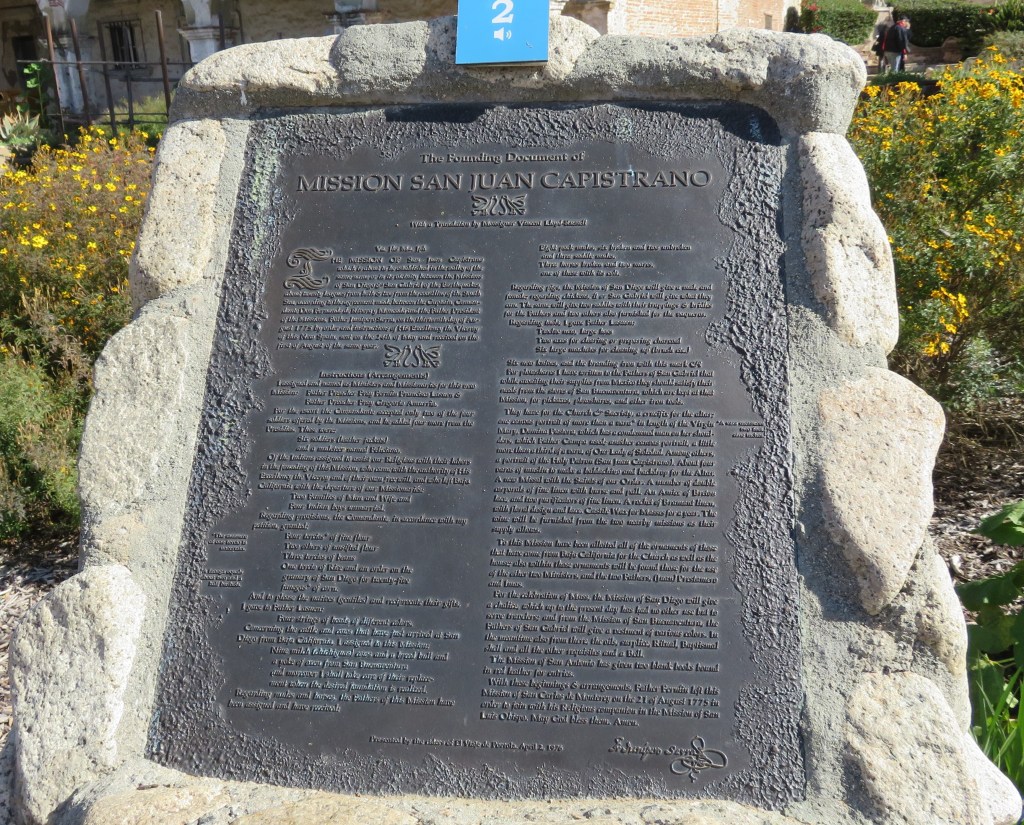
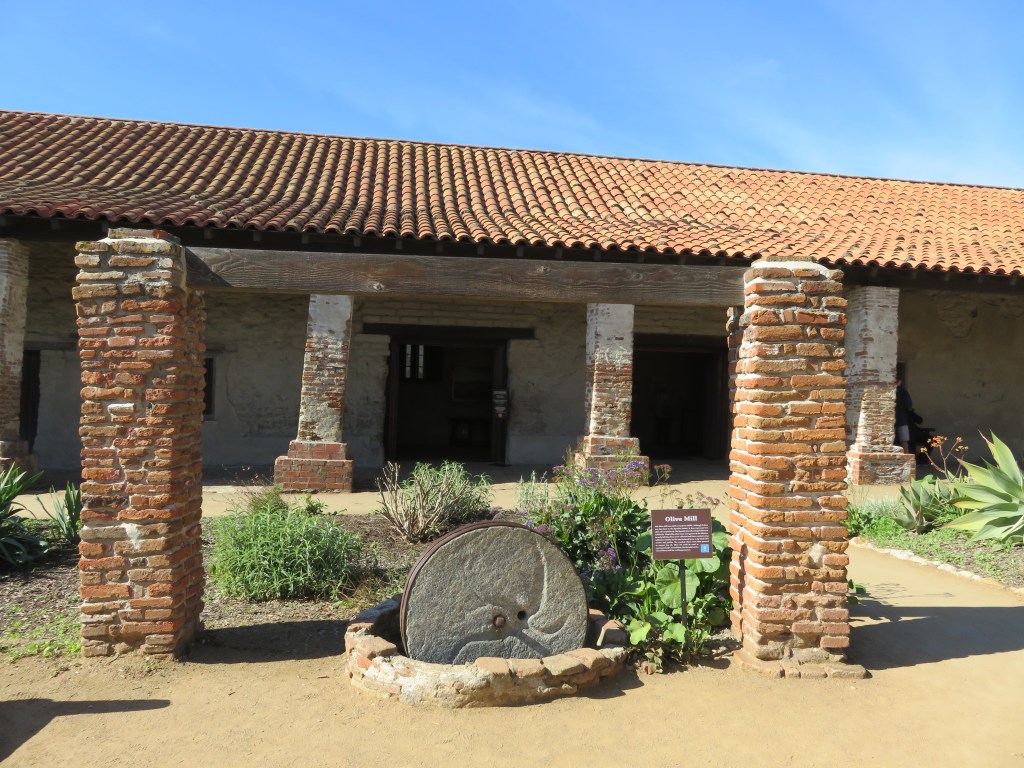
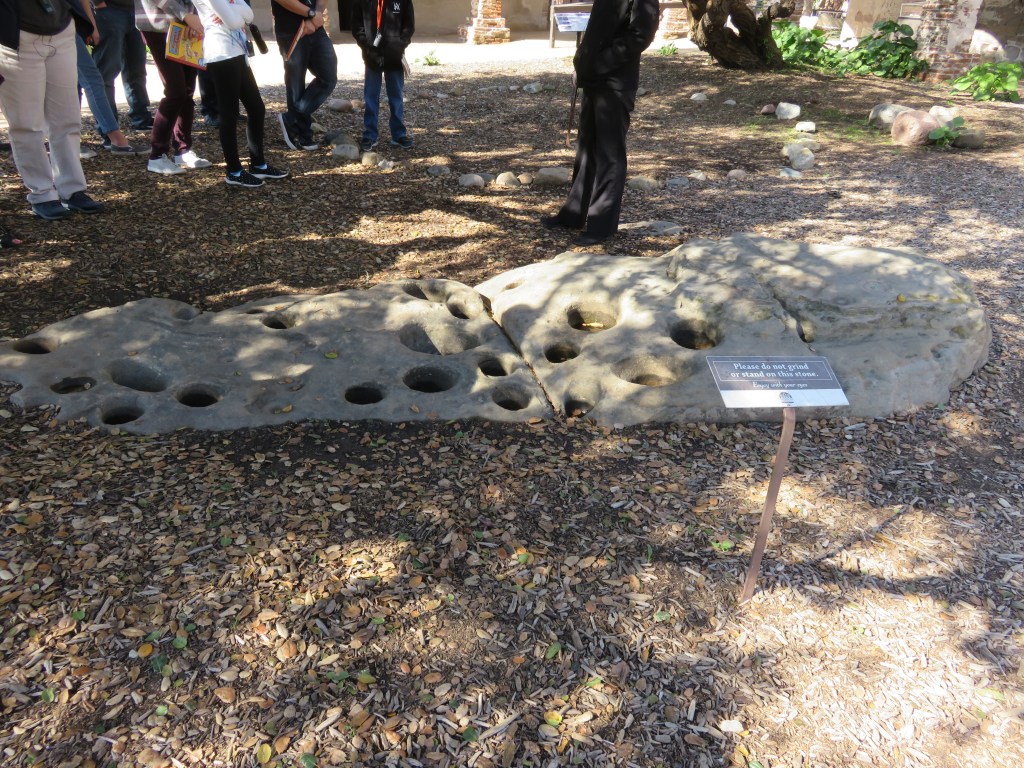
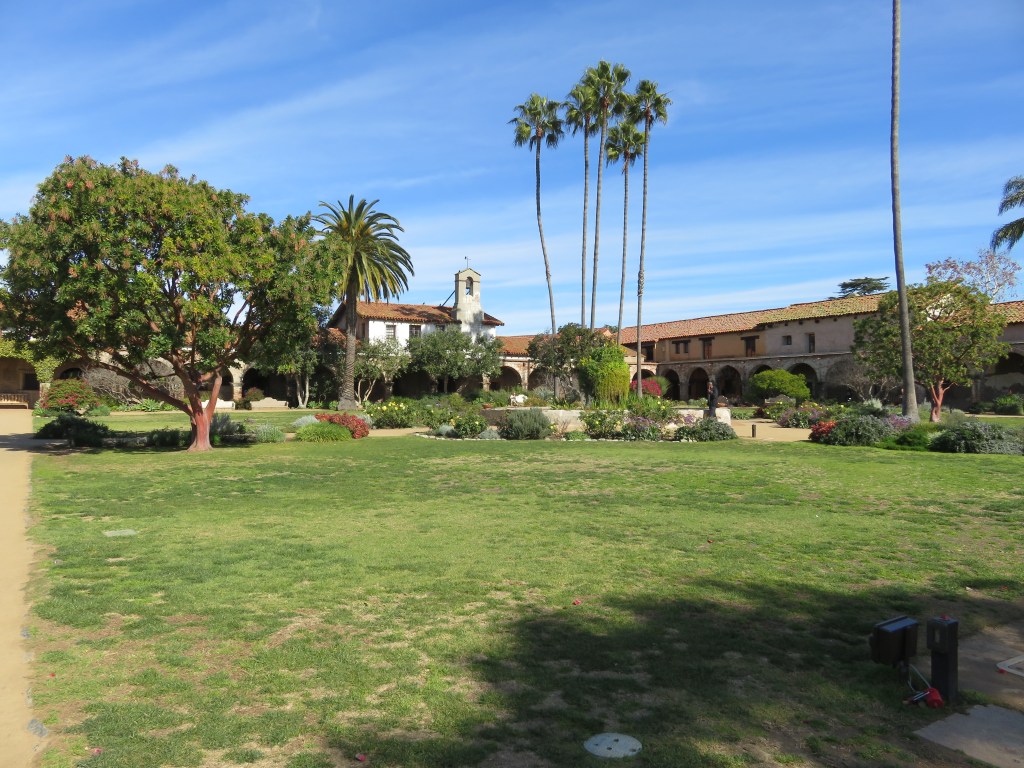
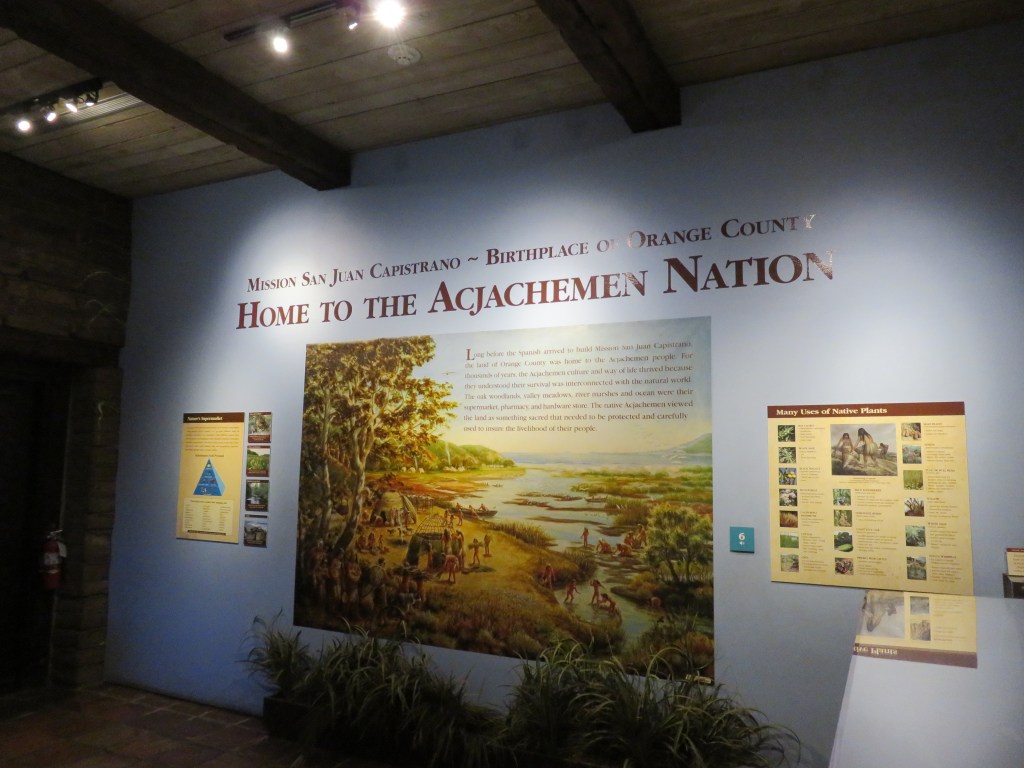
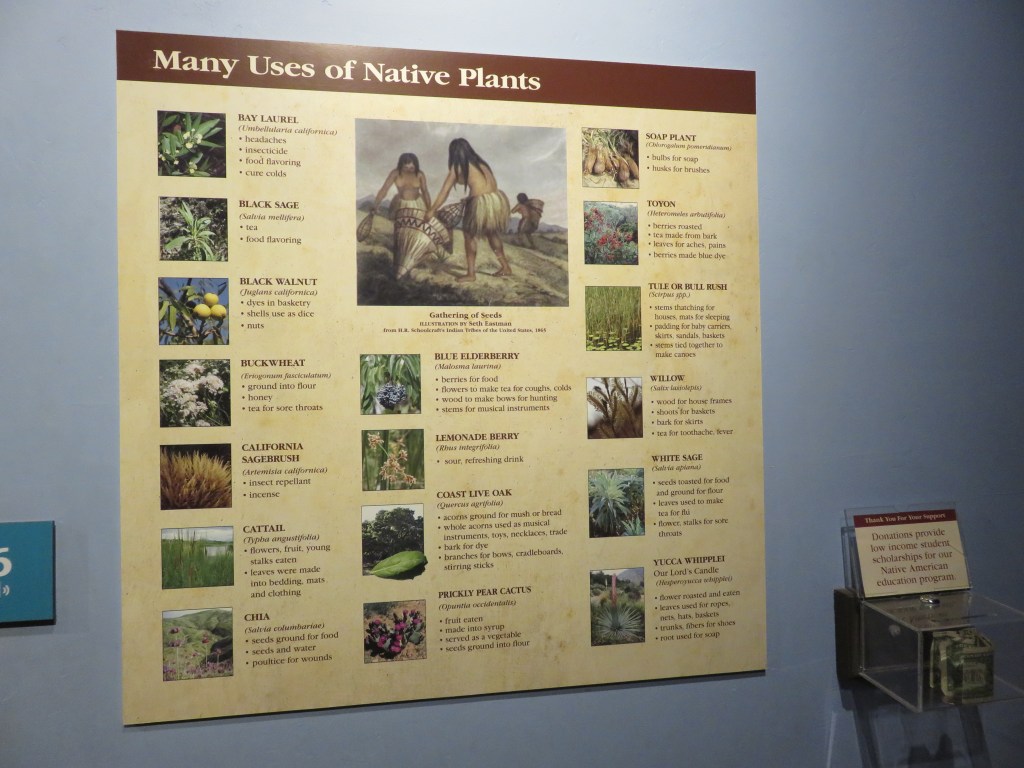
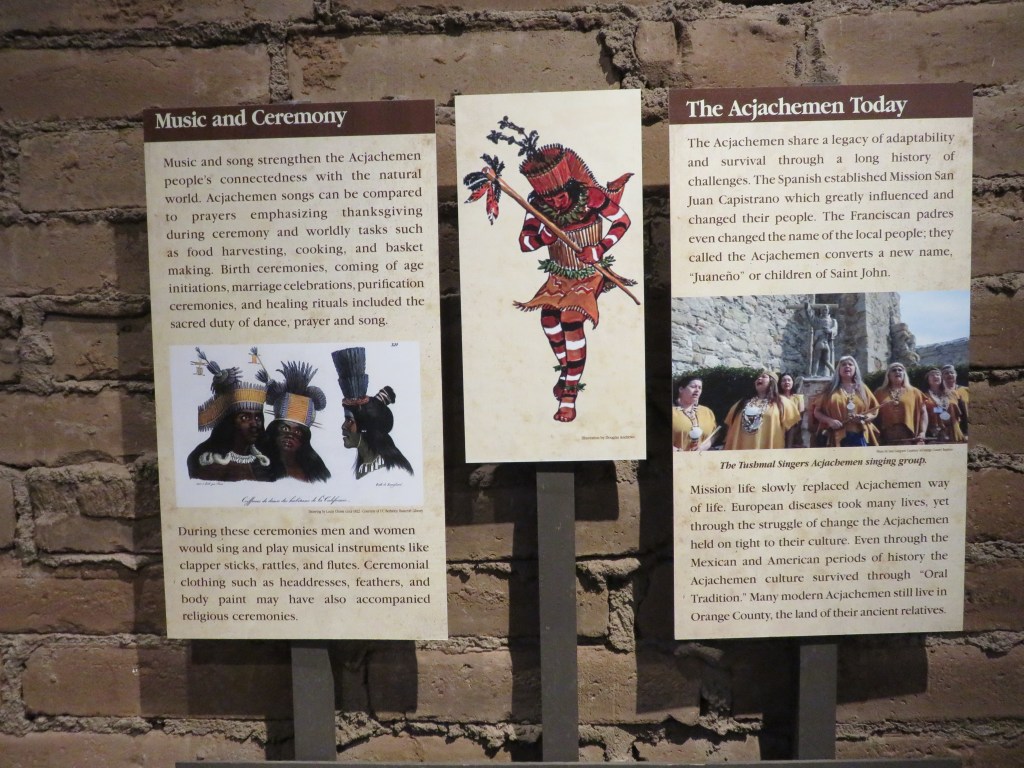
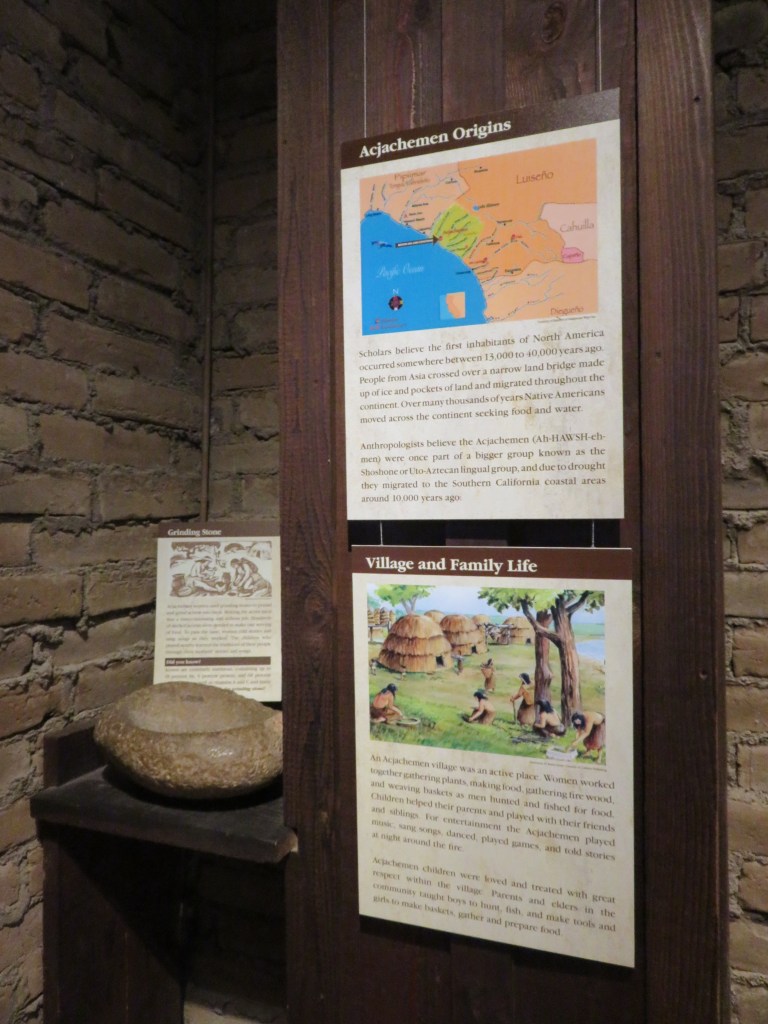
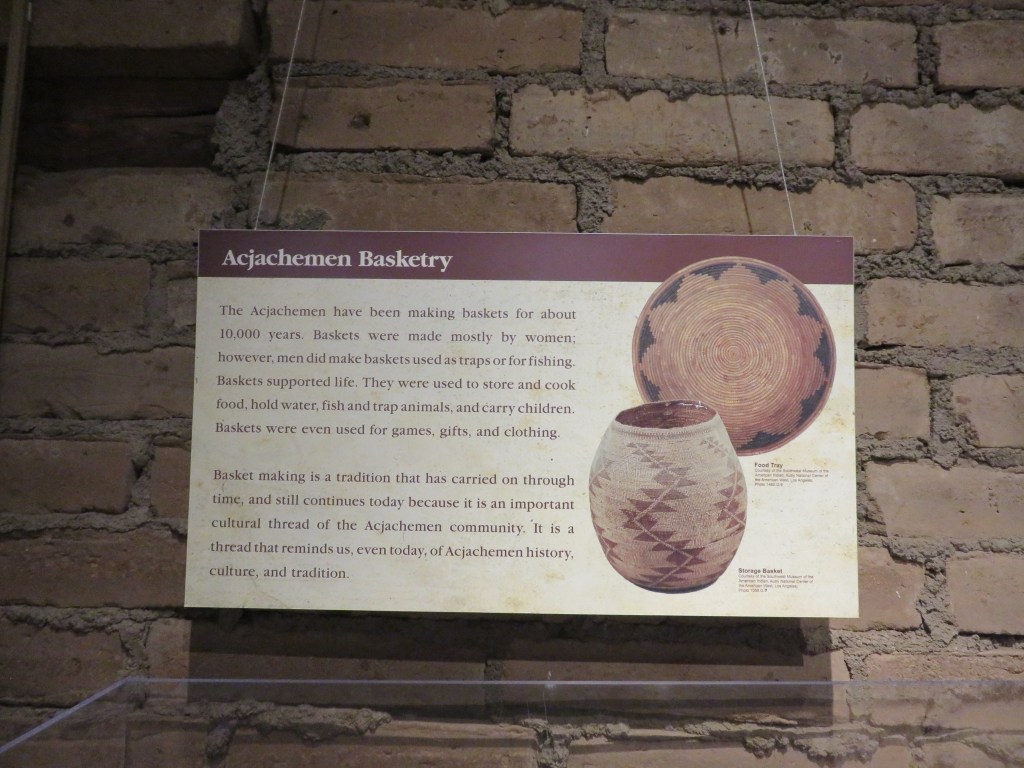
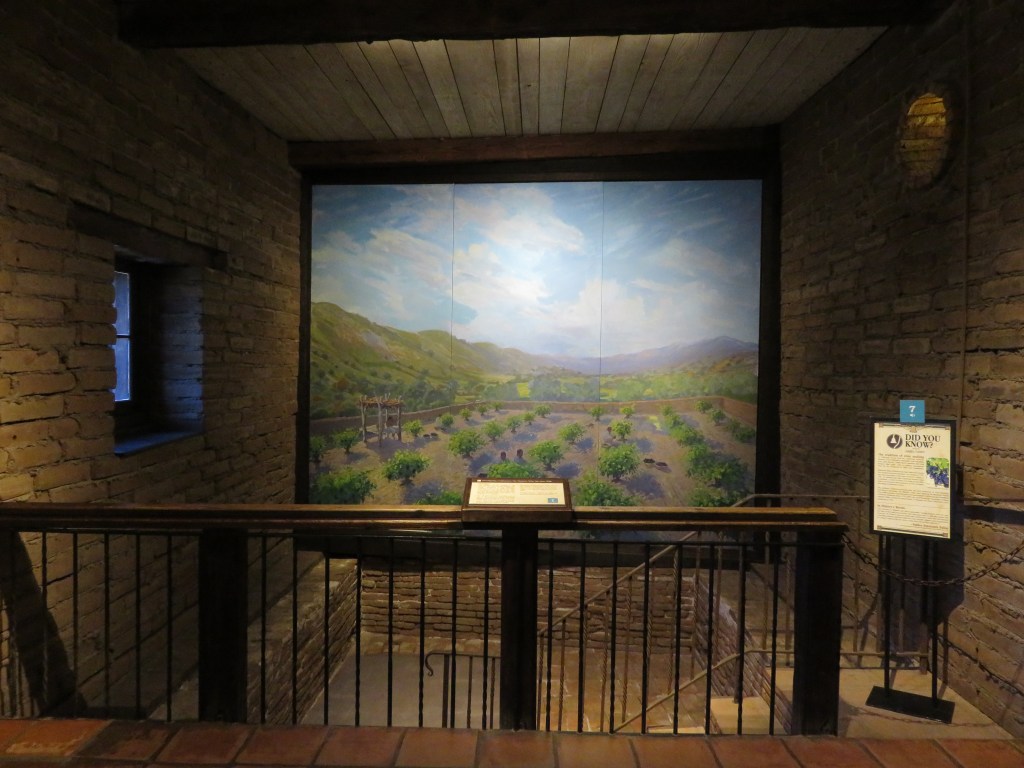
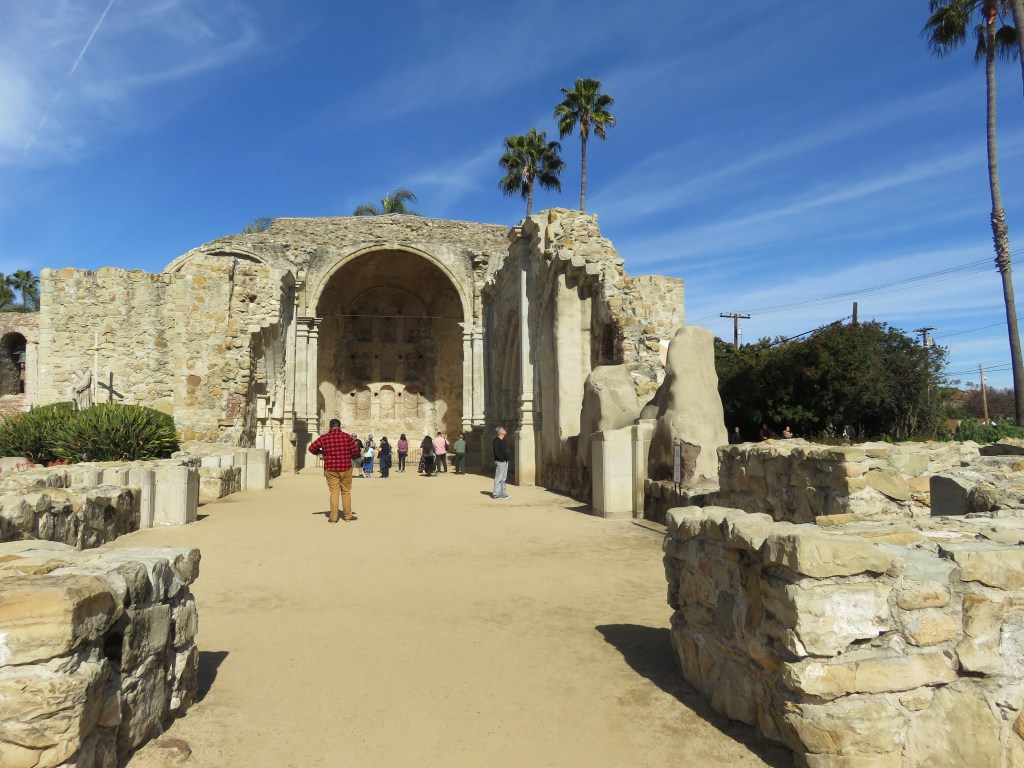
There are 21 Catholic missions in California. I’ve visited the Santa Barbara mission twice. This was my first visit to the SJC one. As with Santa Barbara, I loved the grounds of the mission and the preservation of the buildings. I do not love that missionaries coerced/enslaved/tried to erase Native people and their culture by ‘converting’ them to Catholicism. When I heard on the audio for the self-guided tour that the missionaries taught the Acjachemen People in San Juan Capistrano how to clear land for planting it galled me. When I saw plaques on tombs with the names of missionaries but none with native names I was enraged. “It is estimated that about 65,000 Native Americans lived in coastal zone of California (mission chain zone) in 1770 and by 1830 only 17,000 remained living, a decline of 74%” (missionsjc.com).

I’m showing photos of the mission, but I won’t dedicate more words to what I saw or how I felt there.

Hiking the Coastal Highway Protected Trail but Can’t see the Beach

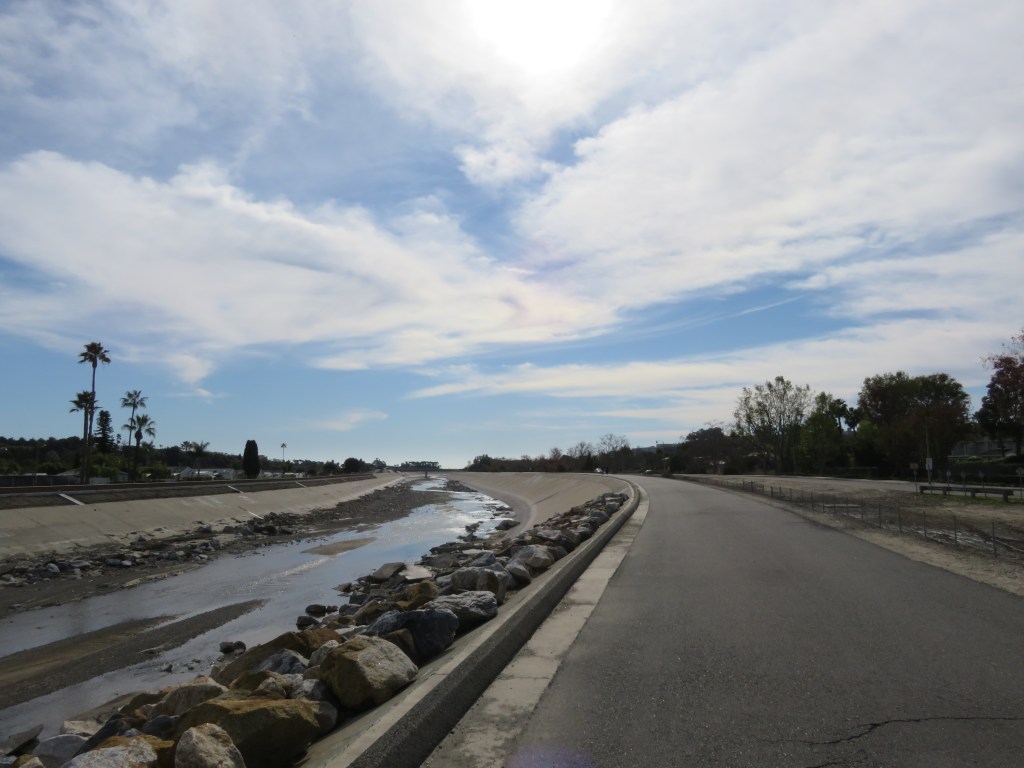
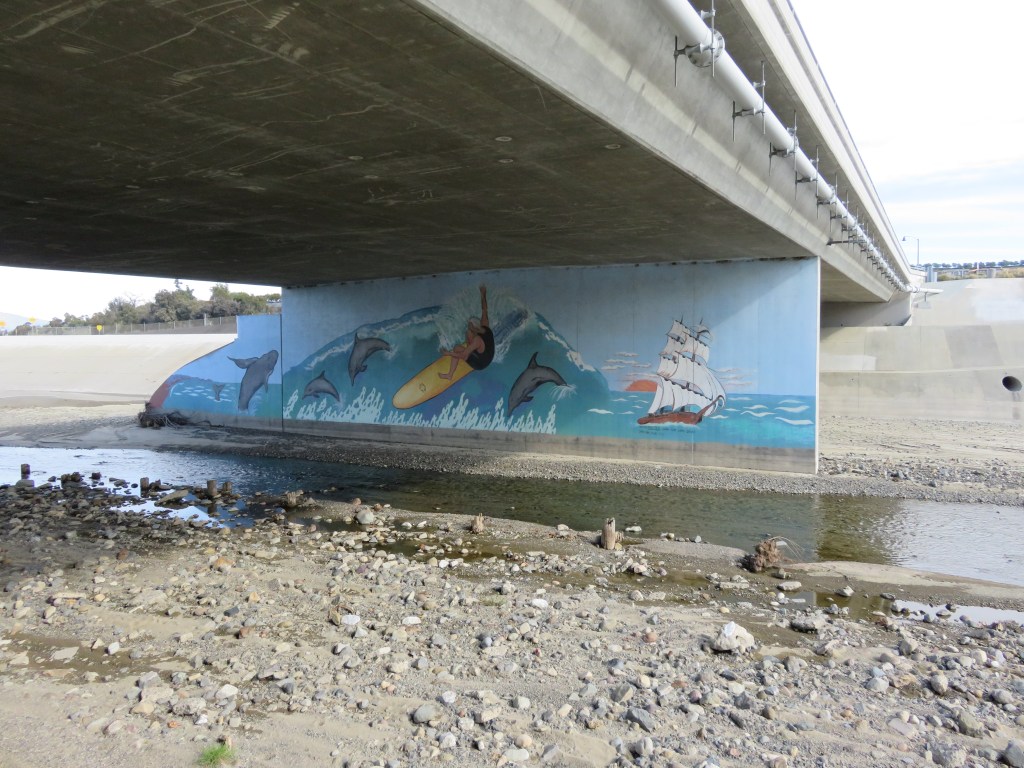
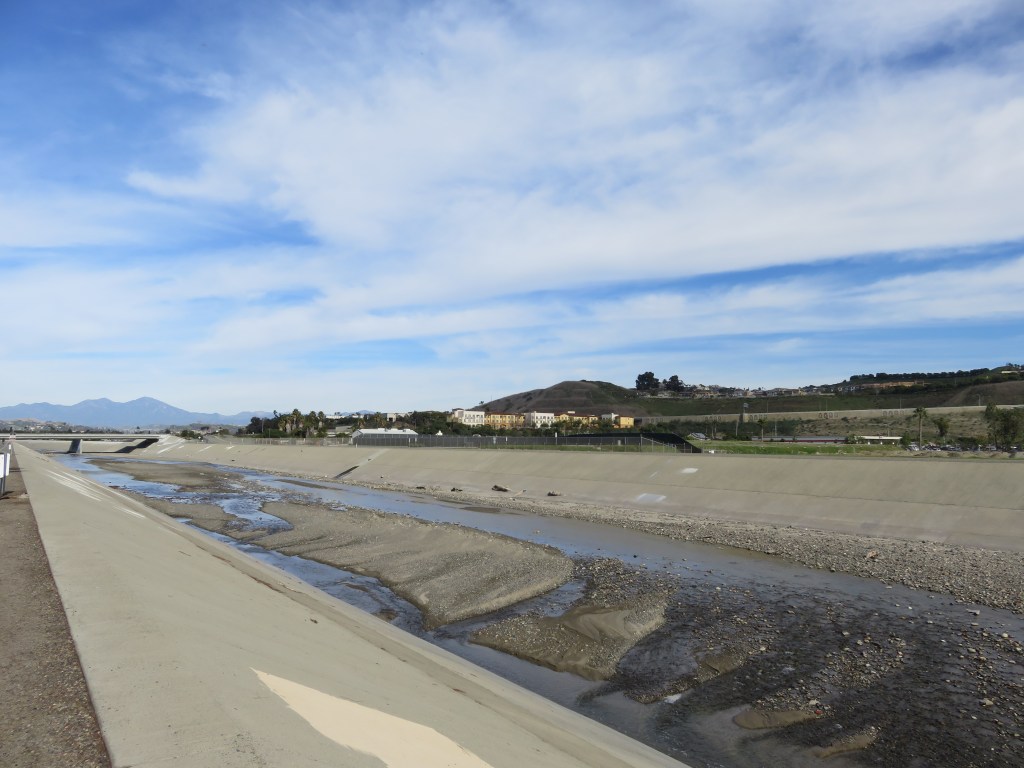
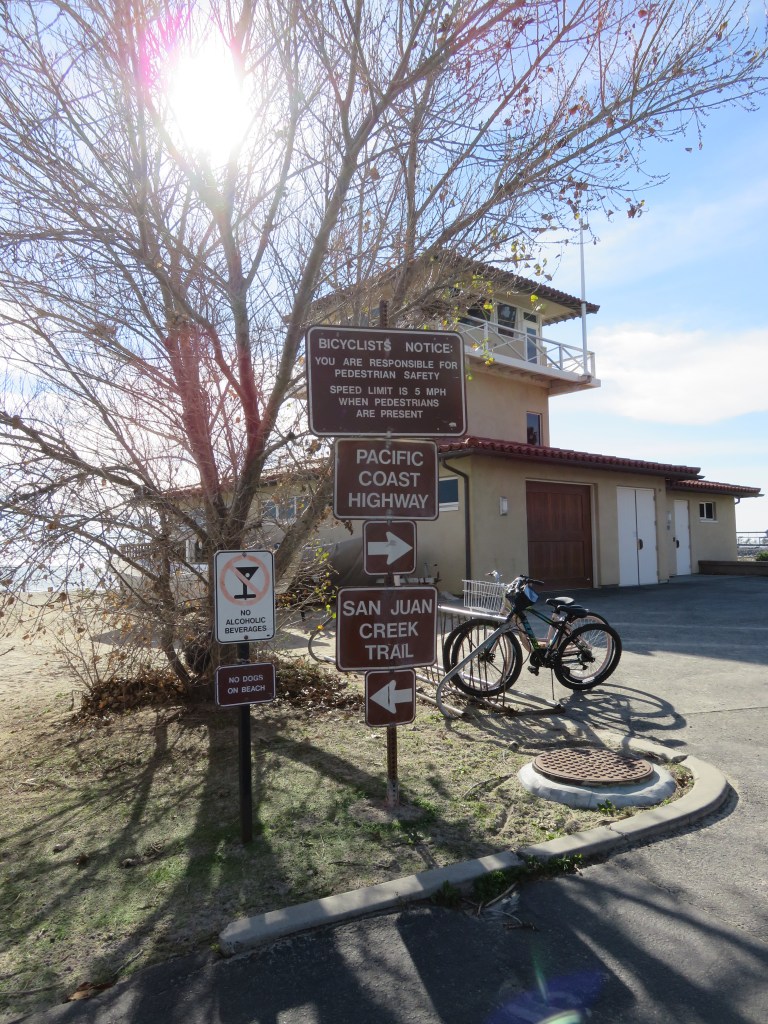
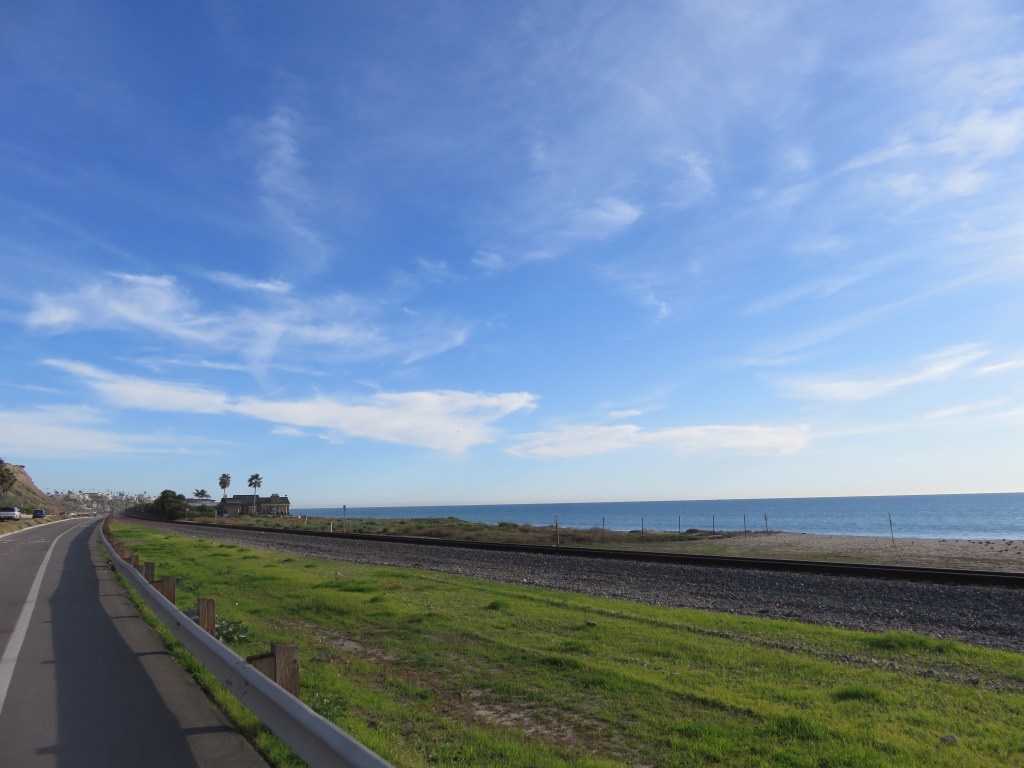
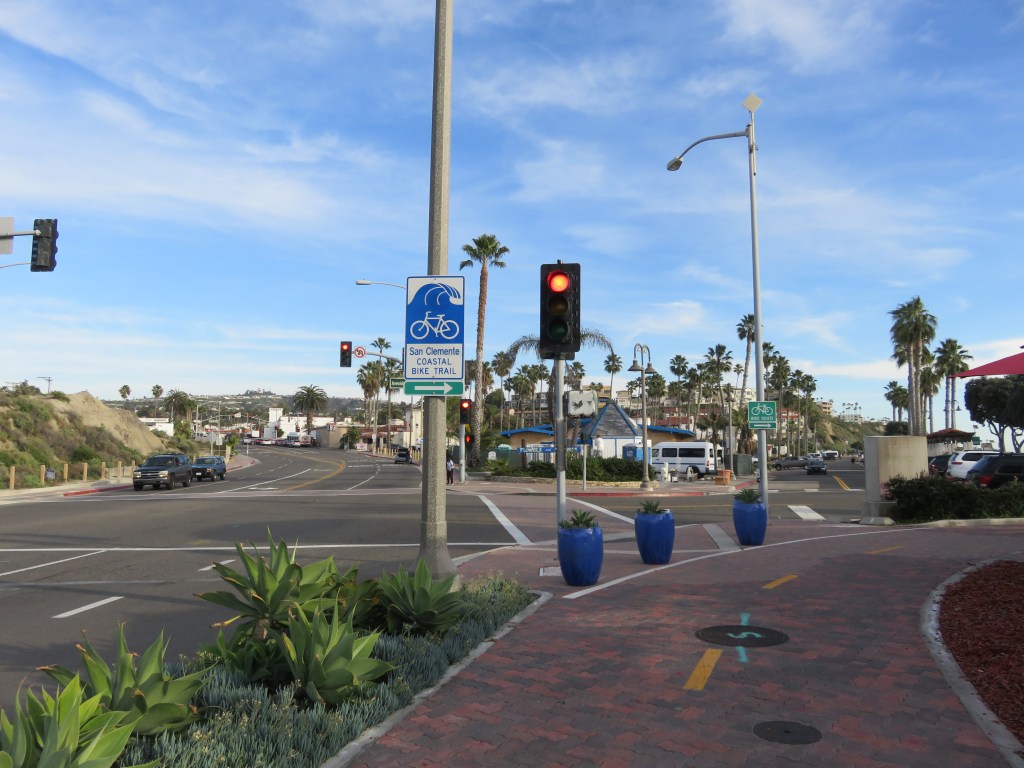
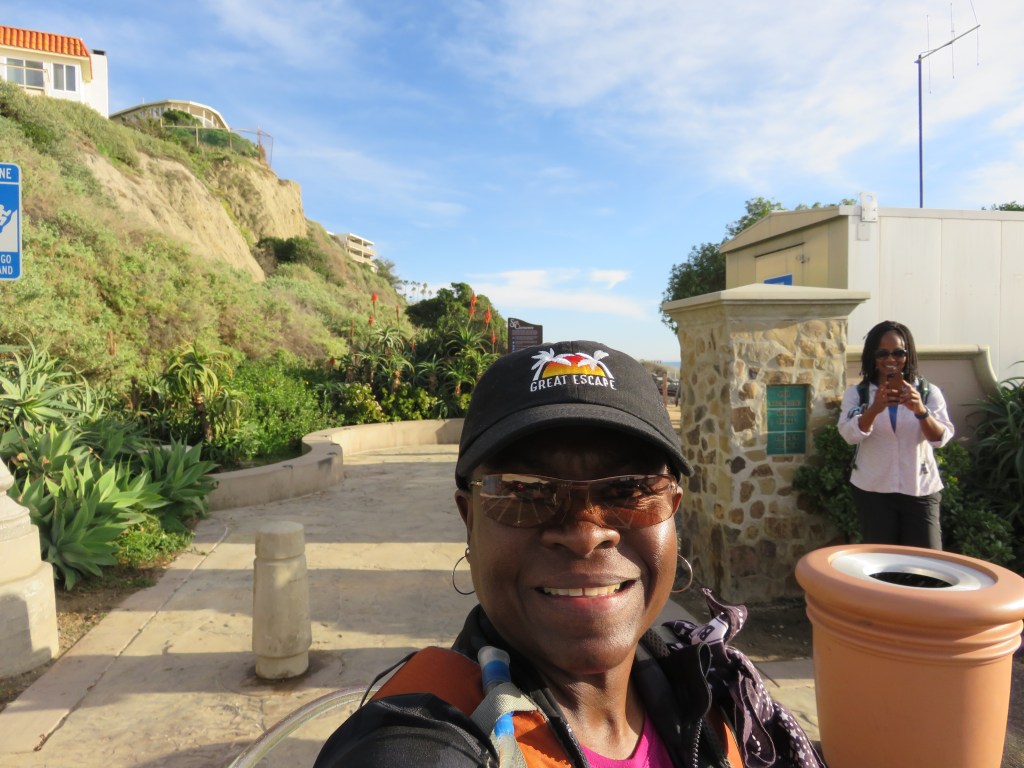
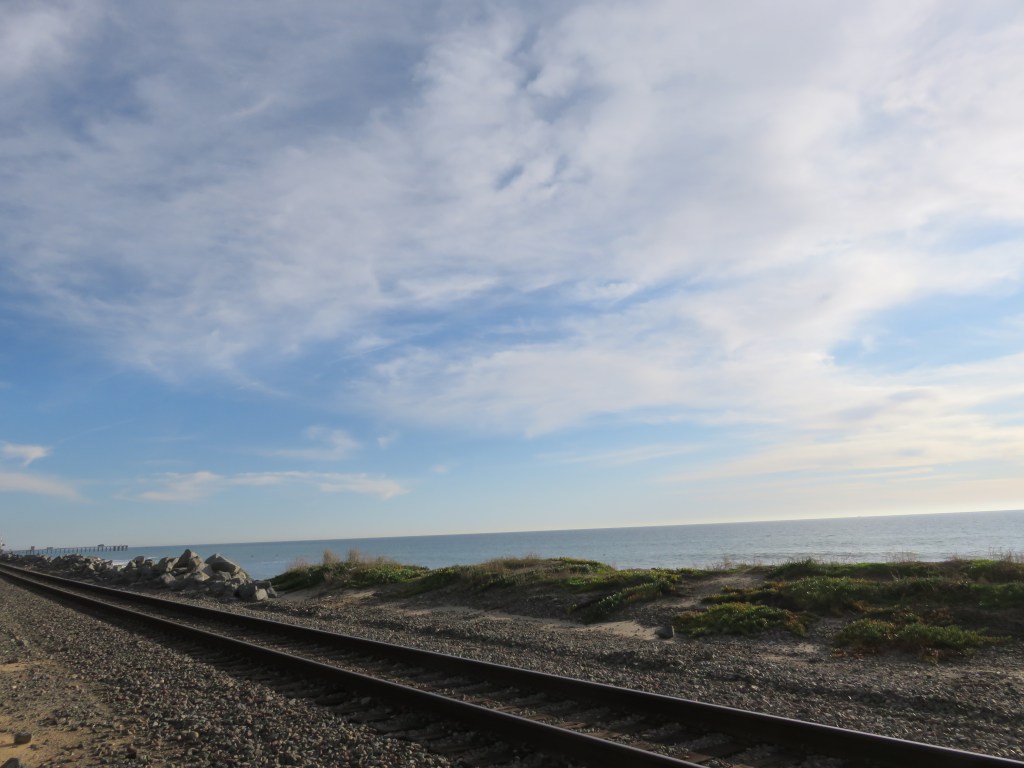
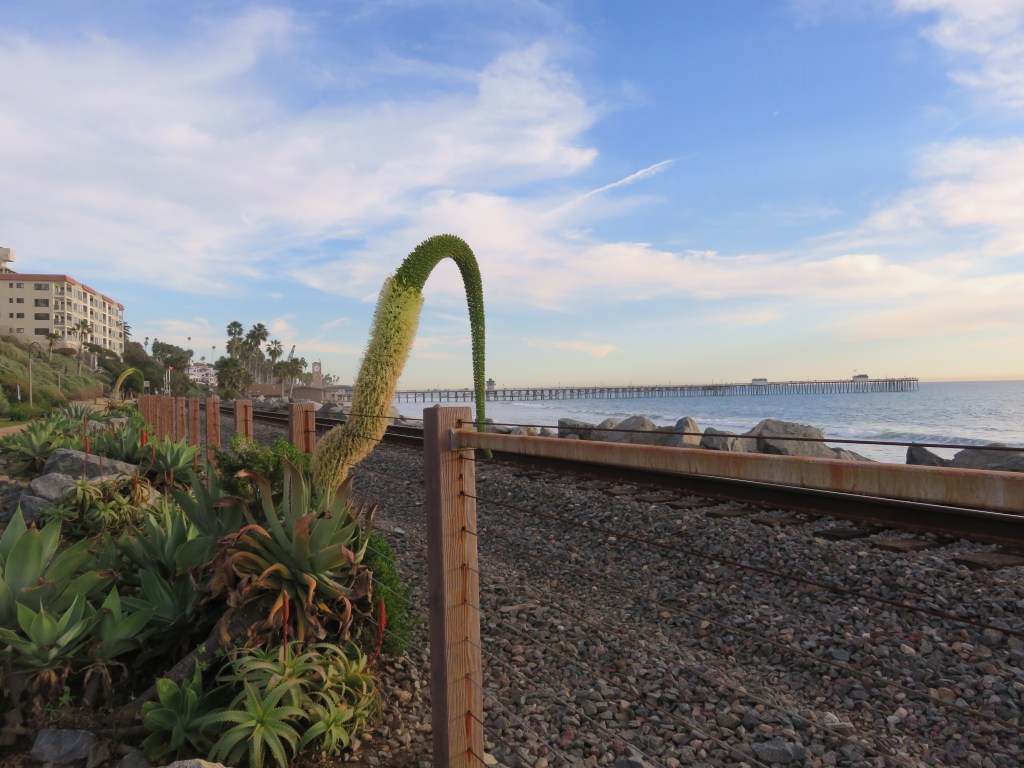
When I looked for trails between SJC and San Clemente, the Coastal Highway Protected Trail (CHPT) was the first one that came up. In my mind, a coastal trail in California meant I would be hiking a trail along the beach or one with awesome views of the beach. Foolish me. I should’ve paid more attention to the ‘highway’ part of the name 🤨. The trail was coastal in the sense that it was along the coast, but most of it was not along the beach. The trail runs alongside the highway and for most of the way buildings blocked views of the beach. Fortunately, the trail we connected to, the San Clemente Beach Trail, lived up to its name and that part of the hike was great.

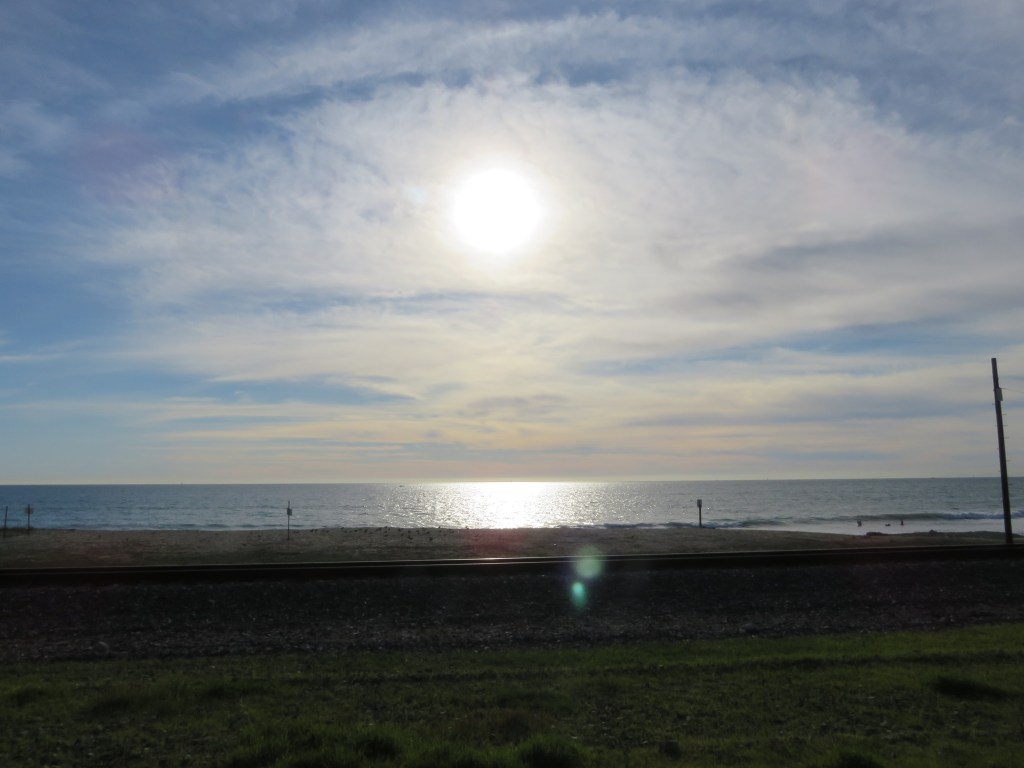
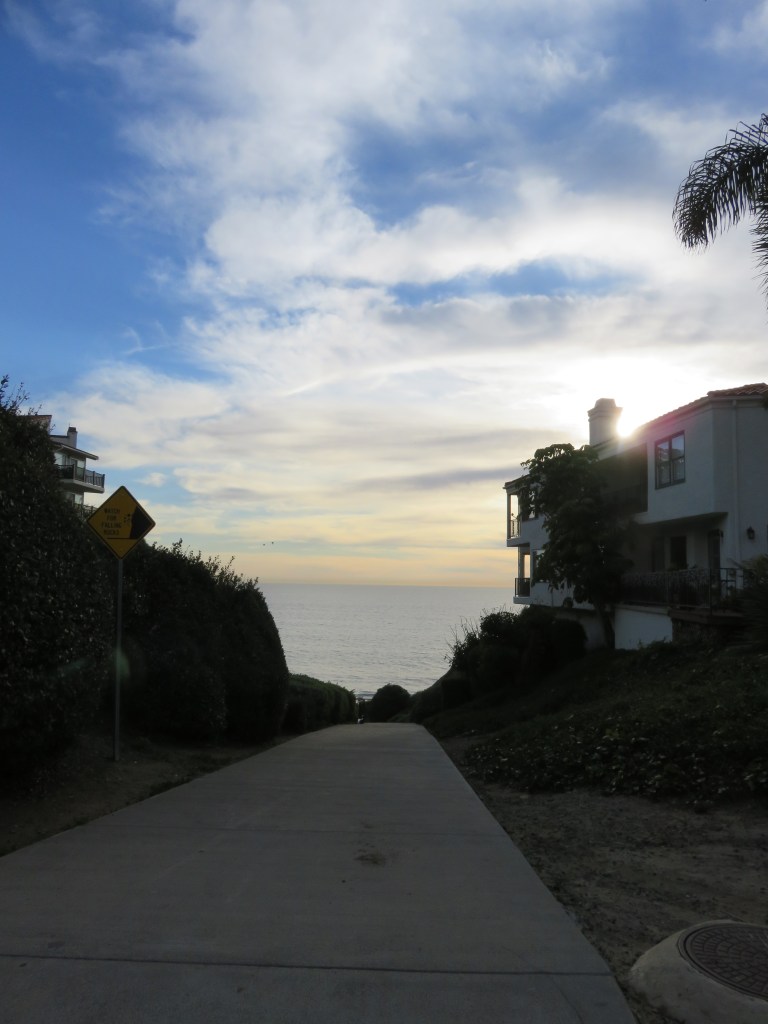
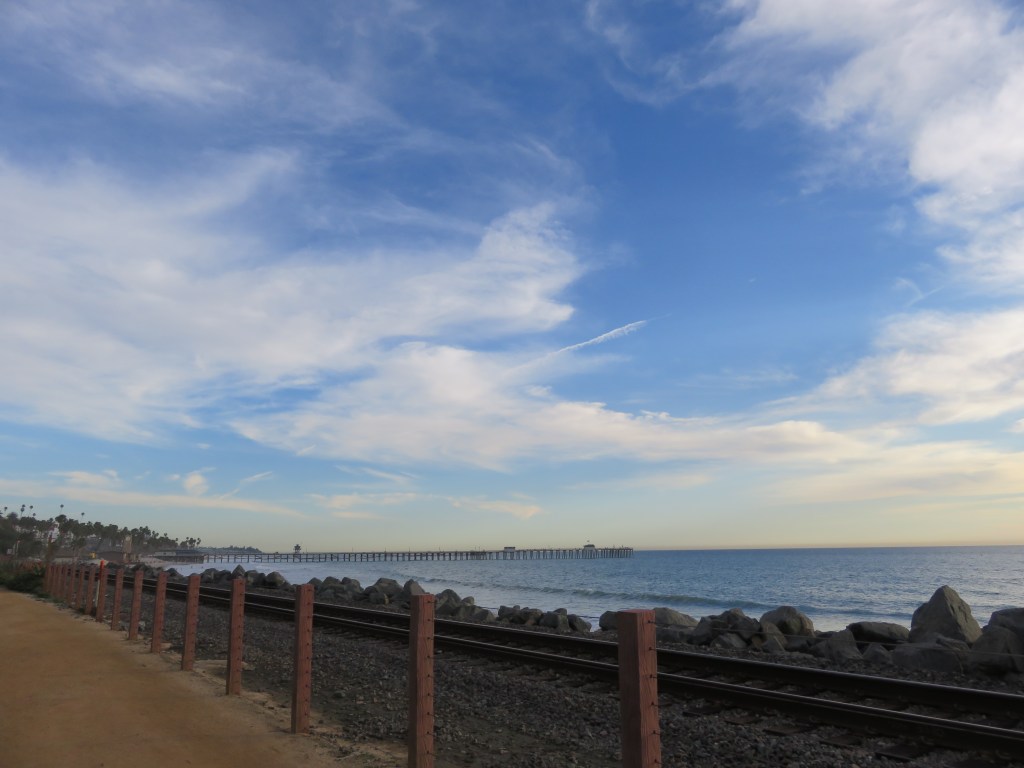
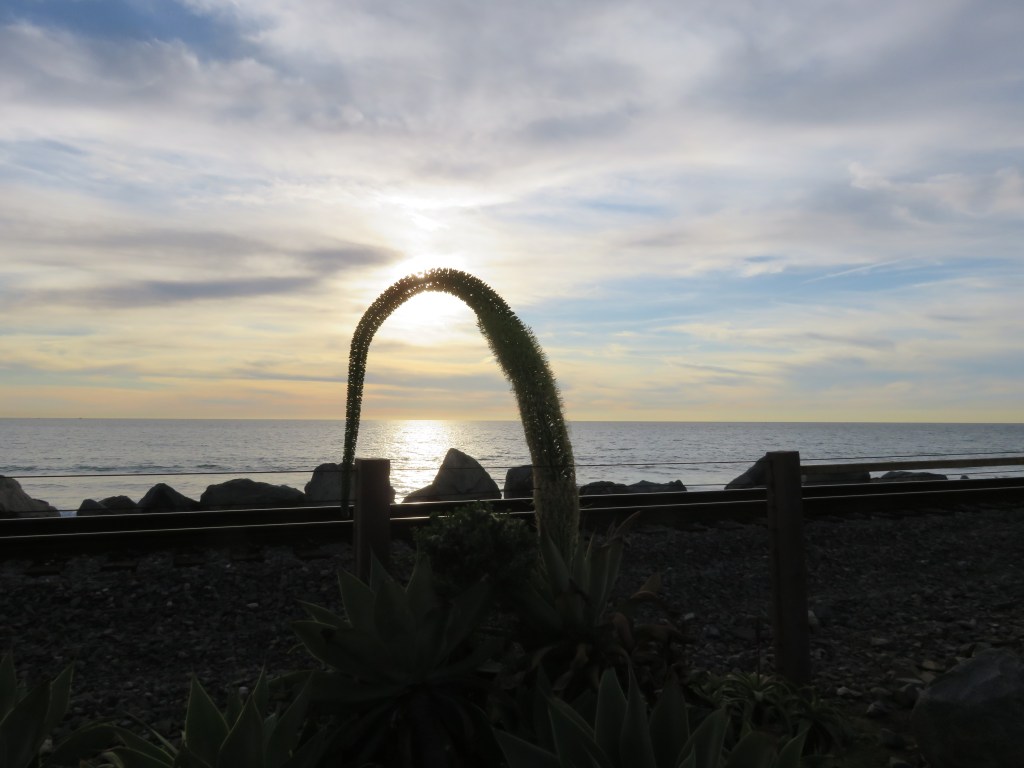
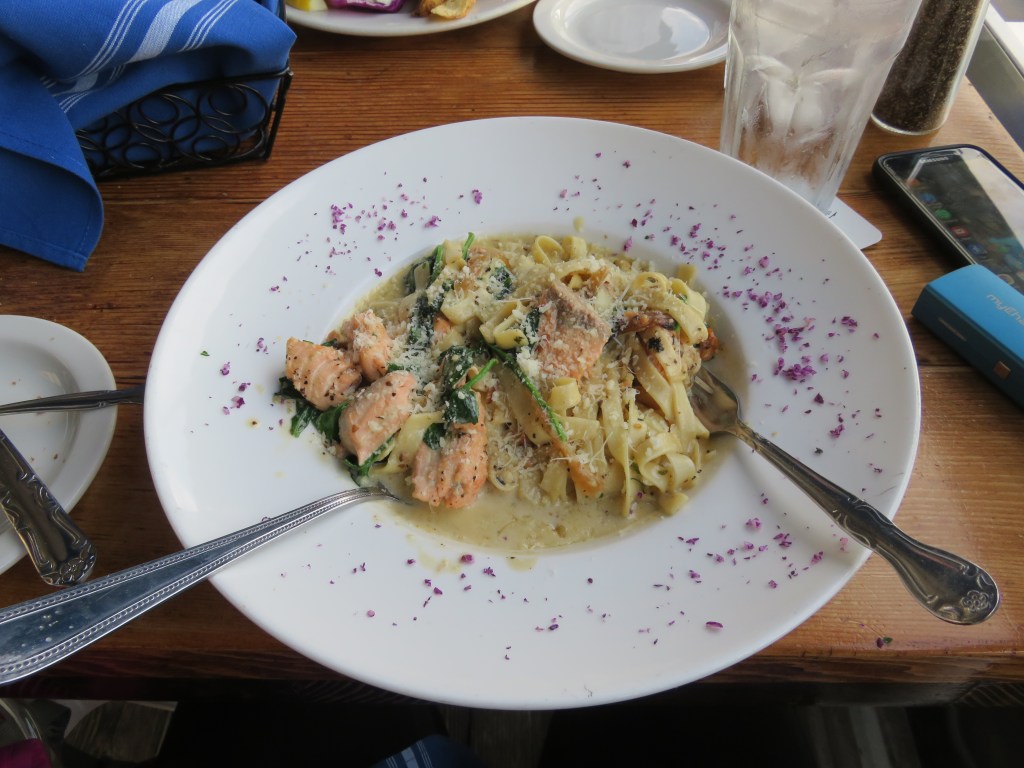
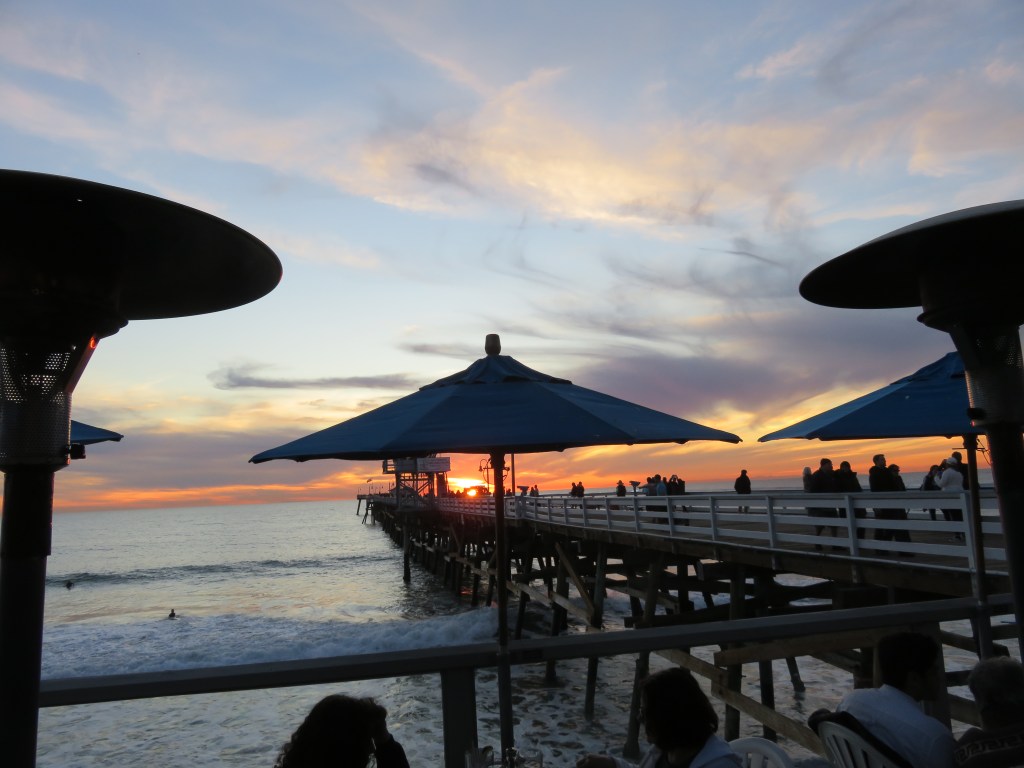
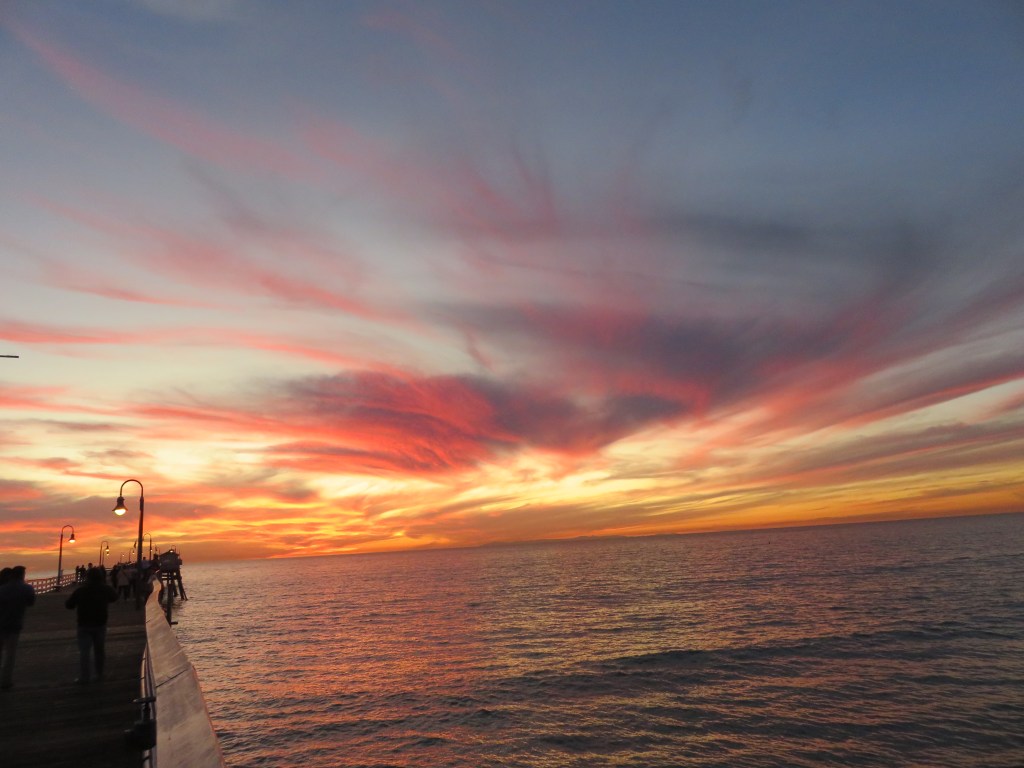
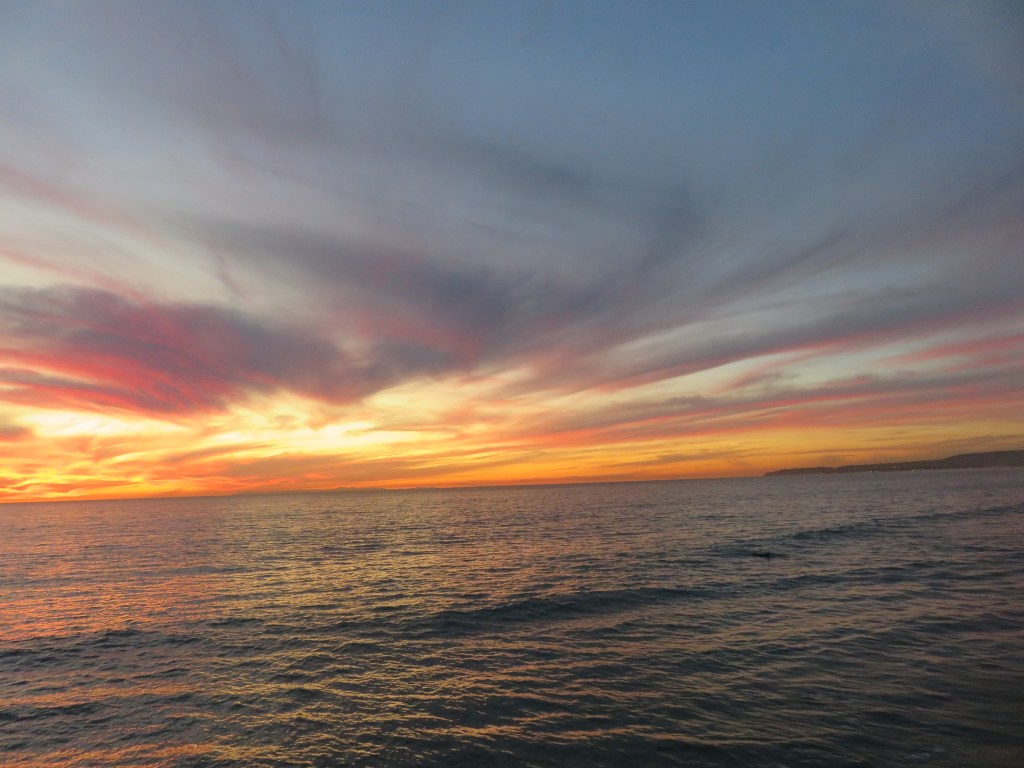
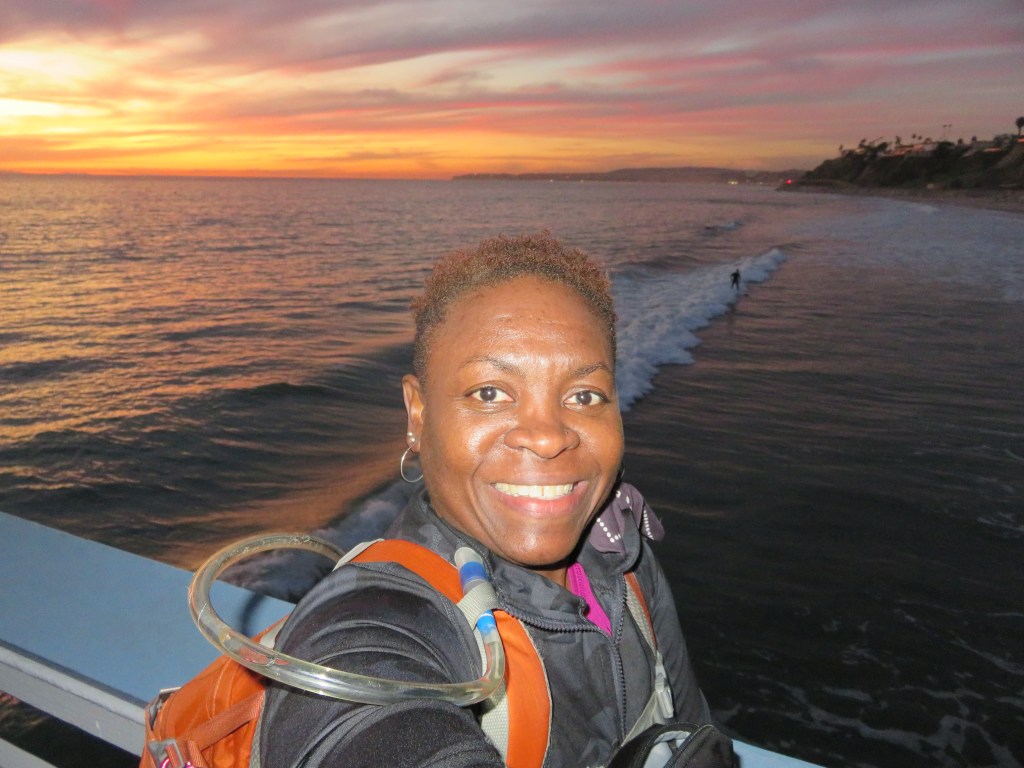
We ended the hike at the San Clemente Pier, which is not nearly as developed as the Santa Monica Pier or the Santa Barbara Pier, but is beautiful in its simplicity. I had a lovely (well-earned) meal (cause 9 miles) on the deck of a restaurant on the pier and enjoyed the sunset.  I may need a better camera because my photos do not illustrate the awesomeness my eyes saw. The sunset was GORGEOUS! As I watched it, I thought of the restaurant’s wait staff. I hope they are able to pause each day and appreciate that there is at least one tremendous benefit from their jobs. I don’t know if it makes up for schlepping trays or dealing with demanding customers, but I think watching the colours painted in the sky by the setting sun offers a few minutes of respite from the not so pleasant parts of their jobs.

All too soon, it was time to board the train for the trip back north. The end of another wonderful day enjoying the outdoors with good friends. California is not Barbados or the Caribbean, but it’s an excellent alternative for this Bajan and it has its own special perks 😊.